La Paz: the highest capital in the world
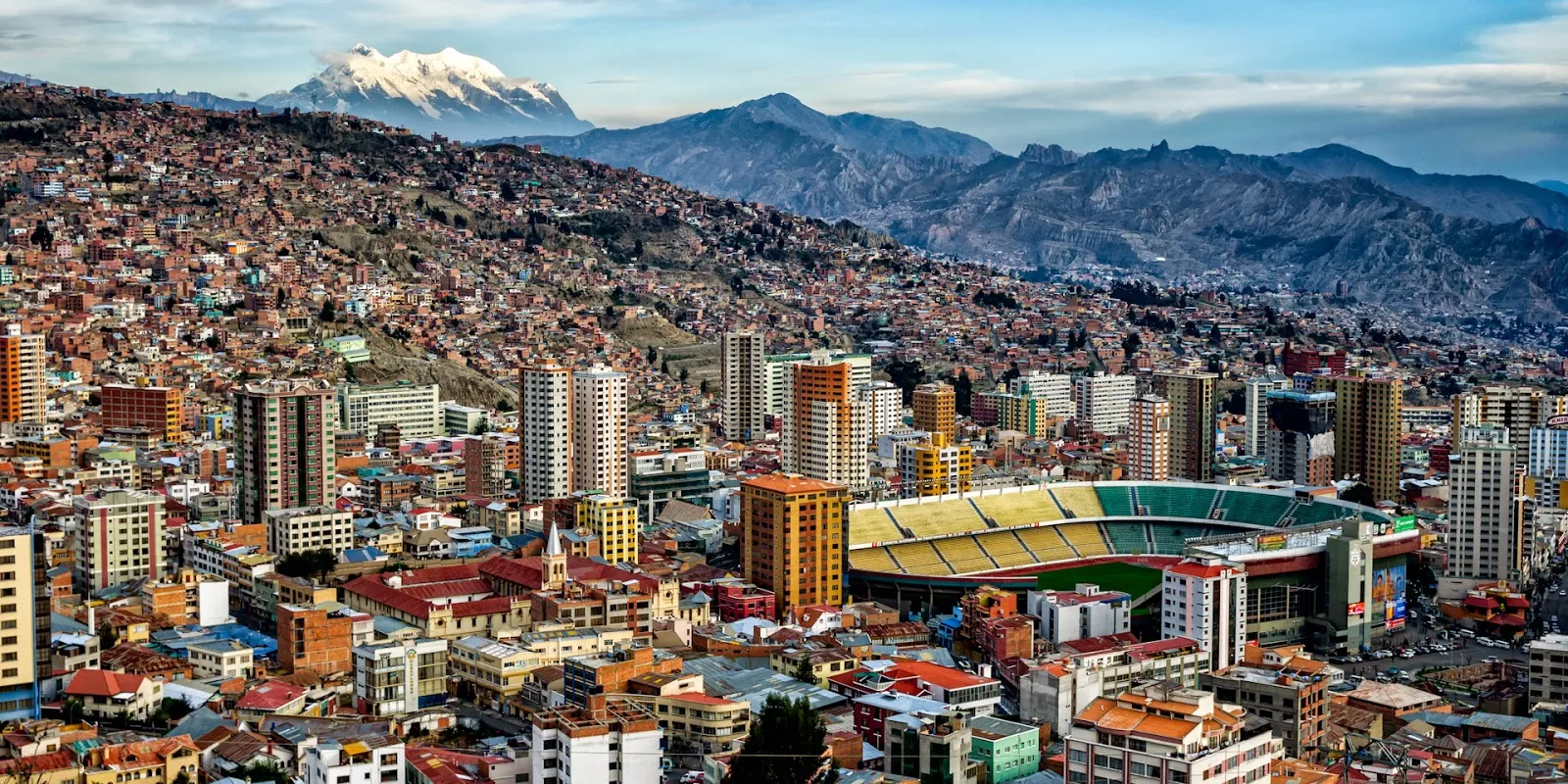
At over 3,600 meters, La Paz is the world's highest administrative capital, cascading down a canyon that forces the city to expand vertically.
The city's cable cars remain the simplest way to navigate between the different levels of the city.
Bolivia's political power overlooks Plaza Murillo, where the Presidential Palace and the Cathedral have shared the same square since the nineteenth century.
A few blocks away, the Witches' Market still sells medicinal herbs, amulets, and dried llama fetuses, used according to Aymara tradition as offerings to Pachamama before building a house.
Riding up with the Mi Teleférico, the world's highest and most extensive urban cable car network, one observes La Paz clinging to the sides of the valley up to the edges of the plateau.
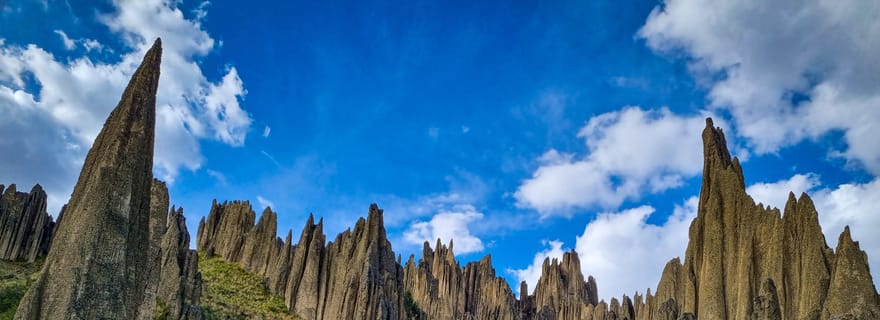
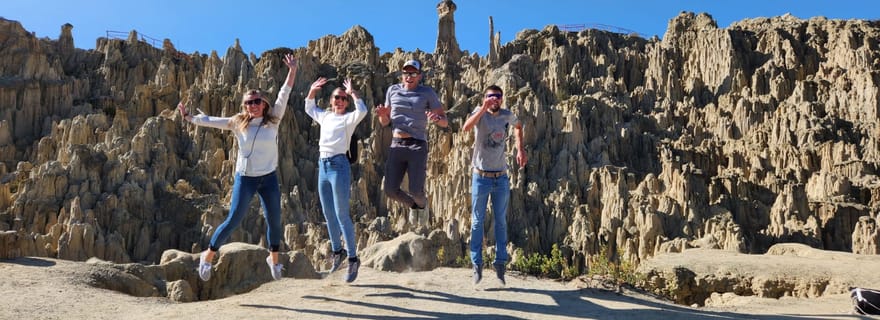
In the afternoon it is worthwhile to reach the Valley of the Moon, on the outskirts of the city, where erosion has carved into the clay a landscape that truly recalls a lunar surface.
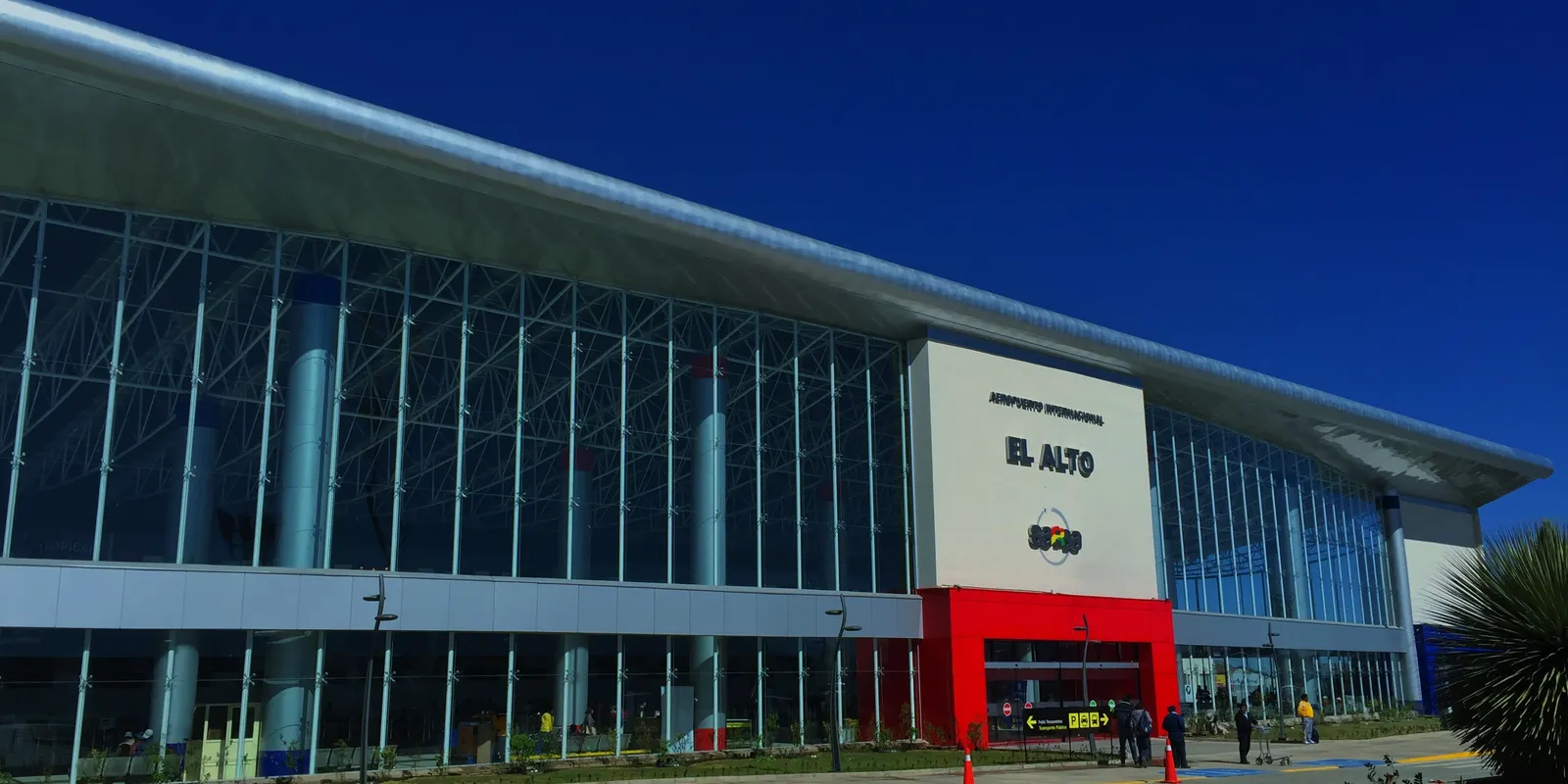
Travelers arriving in La Paz by air almost always land first at El Alto, even higher than the city itself: altitude sickness often strikes in the first hours, before the body acclimates.
The stalls of the Witches' Market coexist without apparent contradiction with the modern pharmacies in the neighboring quarter: in La Paz, traditional medicine and conventional medicine simply share the same street.
Guided tours and experiences in La Paz

Related articles
You might also like...
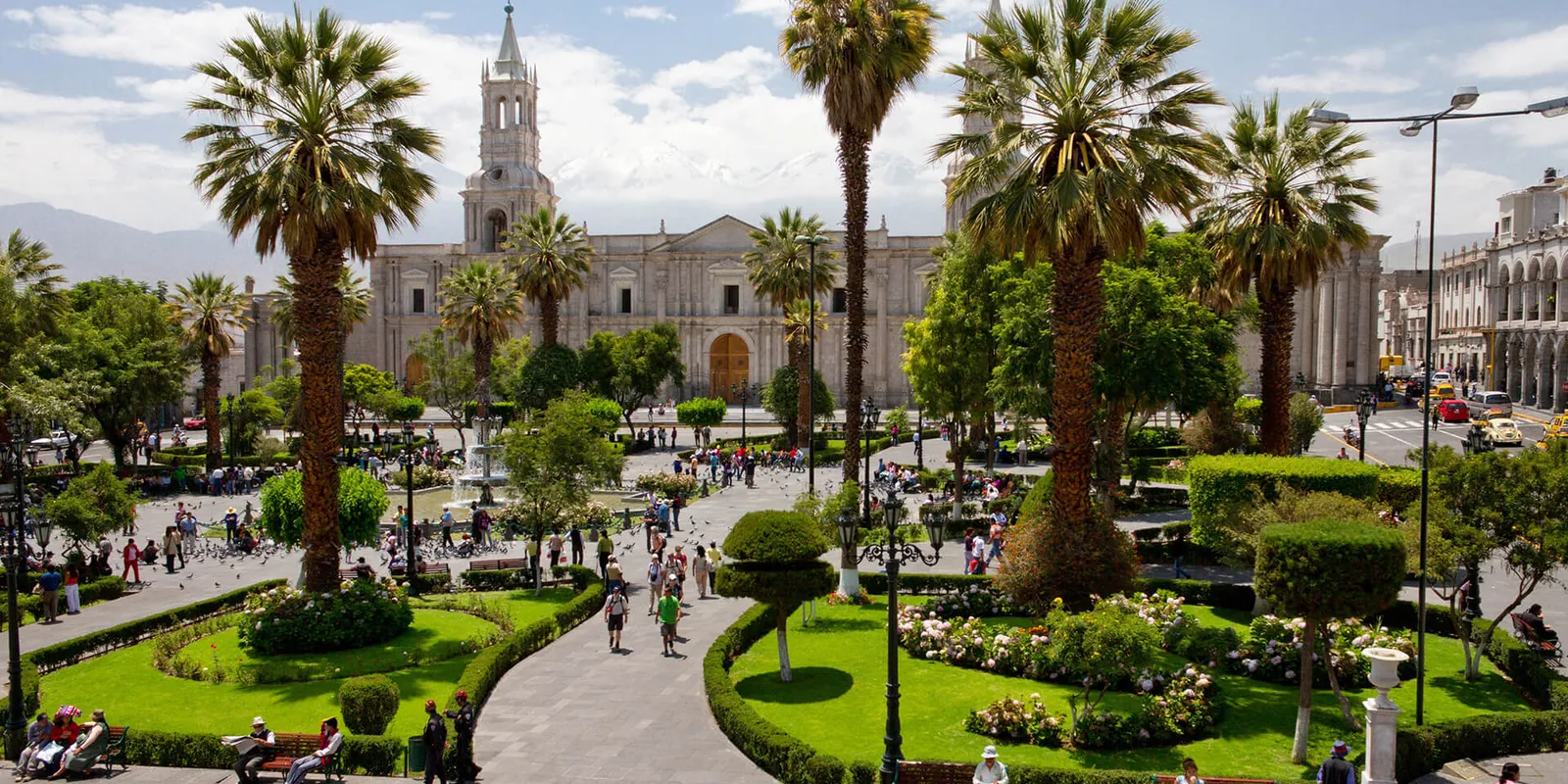
Arequipa: the white city of the Andes
Sucre: the white capital nobody visits first

Palermo Falcone Borsellino Airport: where to stay, areas and recommended hotels
UTair: From Western Siberian Helicopters to Scheduled Flights Across Russia

Chubu Centrair International Airport: where to stay, areas and recommended hotels