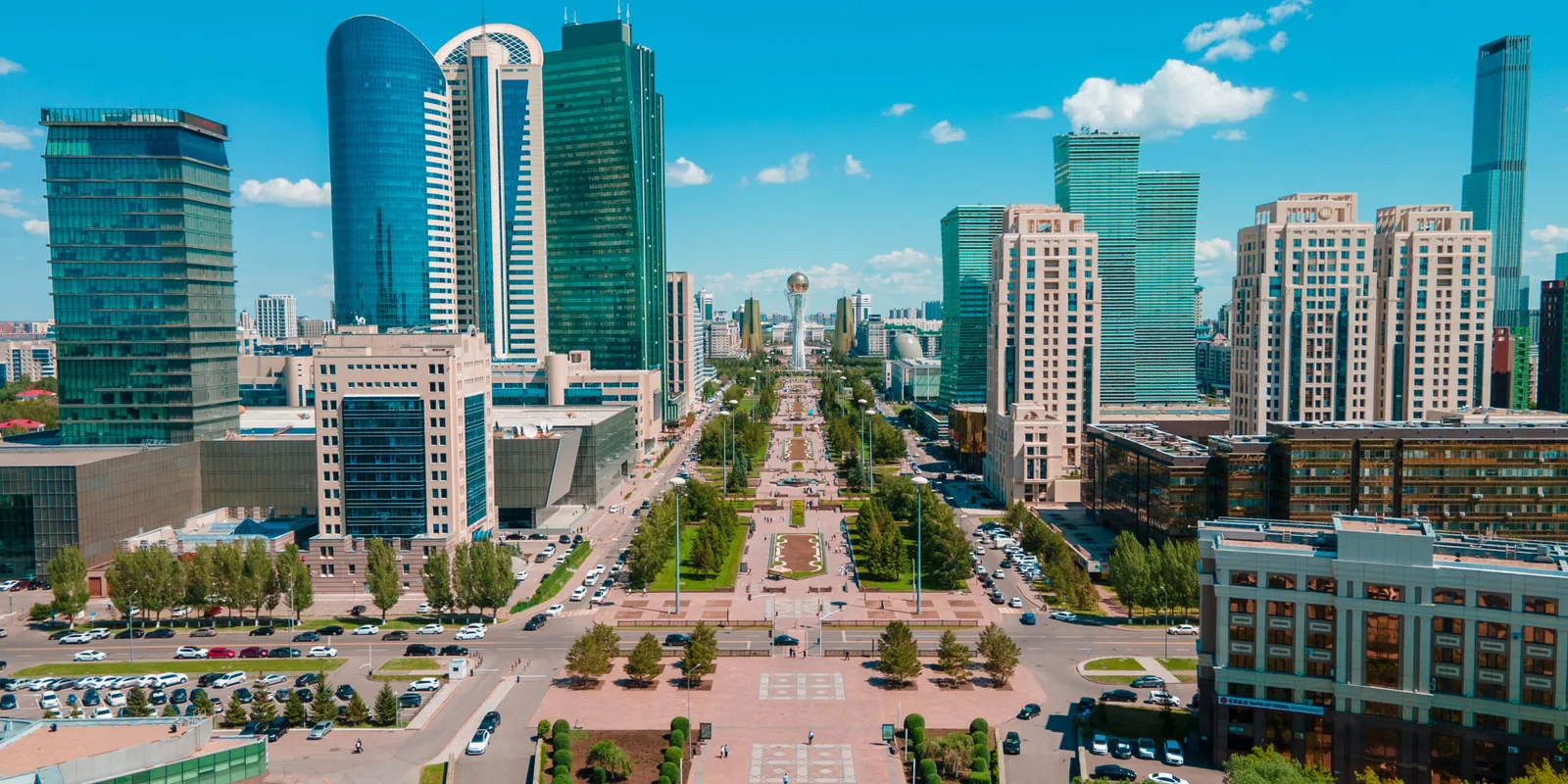

Astana: futuristic architecture on the Kazakh steppe
Built almost from scratch as capital starting in the 1990s, Astana displays a futuristic architectural profile on the Kazakh steppe signed by world-famous architects.
Taxis and light metro remain the most common way to get around.
The Bayterek, a symbol tower of the city eighty-five meters high, houses a golden belvedere inspired by a Kazakh legend of the tree of life.
A few minutes away, the Pyramid of Peace and Reconciliation, designed by British architect Norman Foster, hosts a world congress of religions every three years.
Continuing, you visit the Khan Shatyr, the world's largest transparent tent, which encloses an entire shopping mall with an artificial beach inside.
Toward evening, the Hazrat Sultan Mosque, among Asia Central's largest, closes the day with its imposing contemporary architecture.
Astana changed names multiple times in its recent history, from Akmola to Astana, and finally to Nur-Sultan in 2019 in honor of Kazakhstan's first president, before returning to the original name Astana in 2022.
The Khan Shatyr, standing over one hundred fifty meters tall, remains the world's largest transparent tent structure, capable of maintaining a comfortable internal temperature despite the Siberian winters of the steppe.
Guided tours and experiences in Astana


Related articles

You might also like...
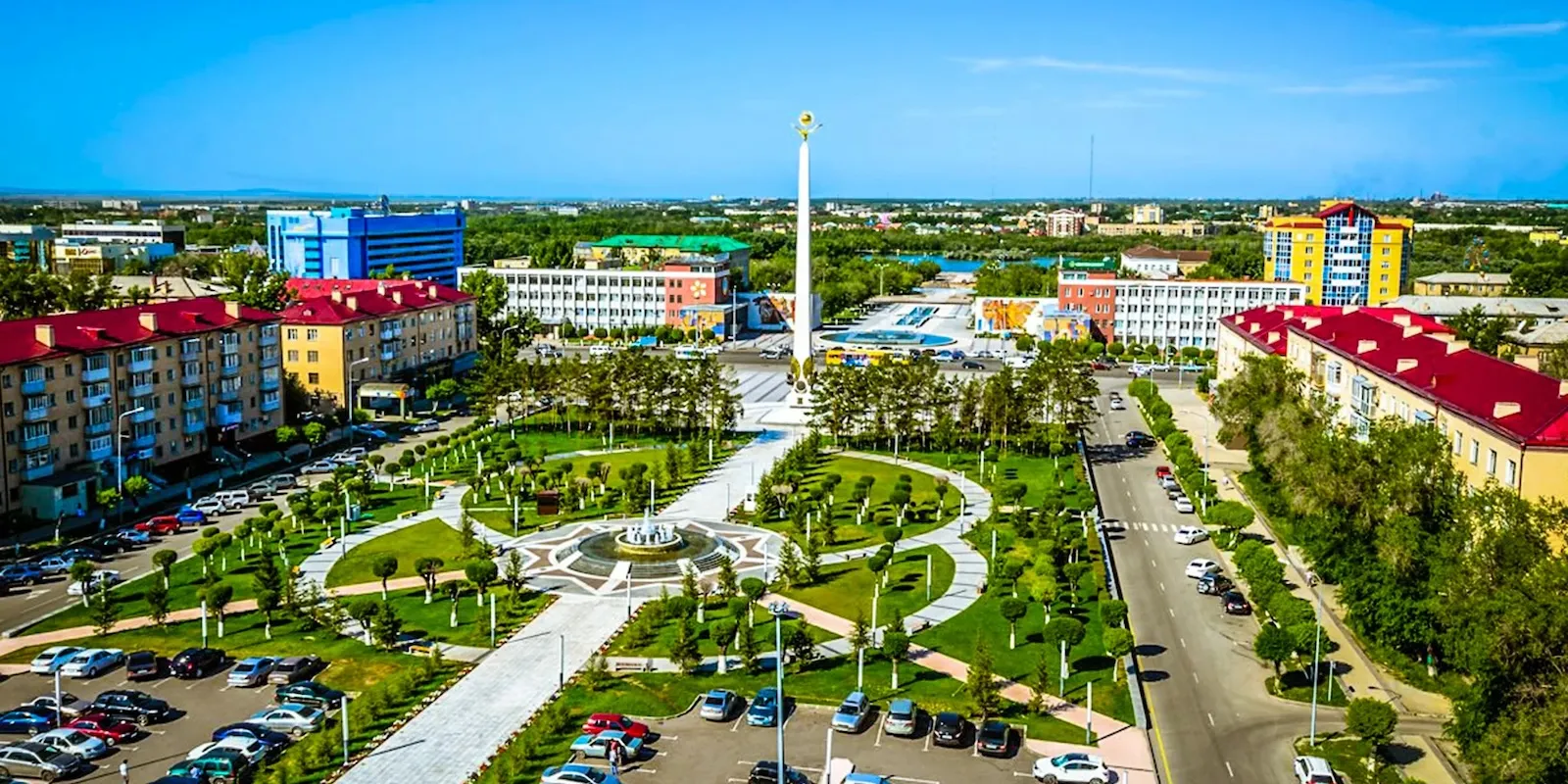
Karaganda: the coal mines of the Soviet gulag
Omsk: Dostoevsky's Siberian exile
Sheremetyevo: which lounge to choose among B, C and D
VietJet Air: How the Vietnamese Low-Cost Carrier Became a Huge Regional Airline

Olbia Costa Smeralda Airport: where to stay, areas and recommended hotels