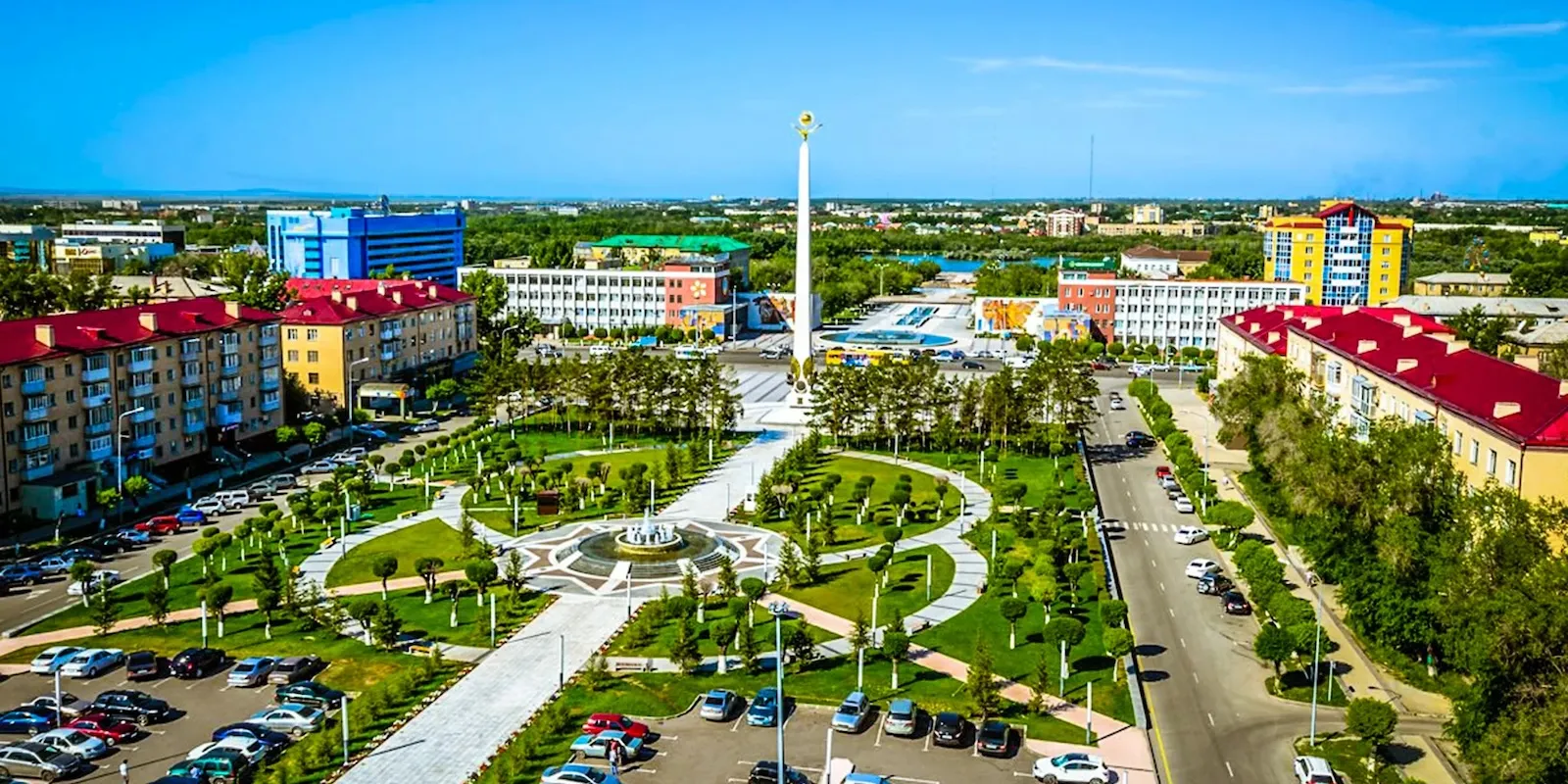
Karaganda: the coal mines of the Soviet gulag
Former seat of one of the largest Soviet labor camps, Karaganda today holds a museum documenting the history of the Karlag, the notorious Kazakh gulag.
The center, grown around coal mines of the Soviet Gulag, is visited comfortably by taxi or local bus.
The Karlag Museum, housed in the former administrative headquarters of the Soviet labor camp, documents the deportation of hundreds of thousands of political prisoners to Kazakhstan.
Just steps away, the Russian Theater of Karaganda, built by gulag prisoners, remains an architecturally significant building despite its dramatic origins.
Moving toward the center you visit the Karaganda Mosque, among Central Kazakhstan's largest, symbolizing post-Soviet religious renaissance.
In the evening, the city's public parks come alive with evening strolls for local Kazakh families.
The Karlag, one of the Soviet Union's largest gulag complexes, interned hundreds of thousands of political prisoners between the nineteen-thirties and nineteen-fifties, many of whom died from extreme working conditions.
Karaganda grew rapidly around its coal mines, among the Soviet Union's largest, developed precisely thanks to the forced labor of the gulag's prisoners, a painful legacy still remembered by descendants today.
Related articles

You might also like...
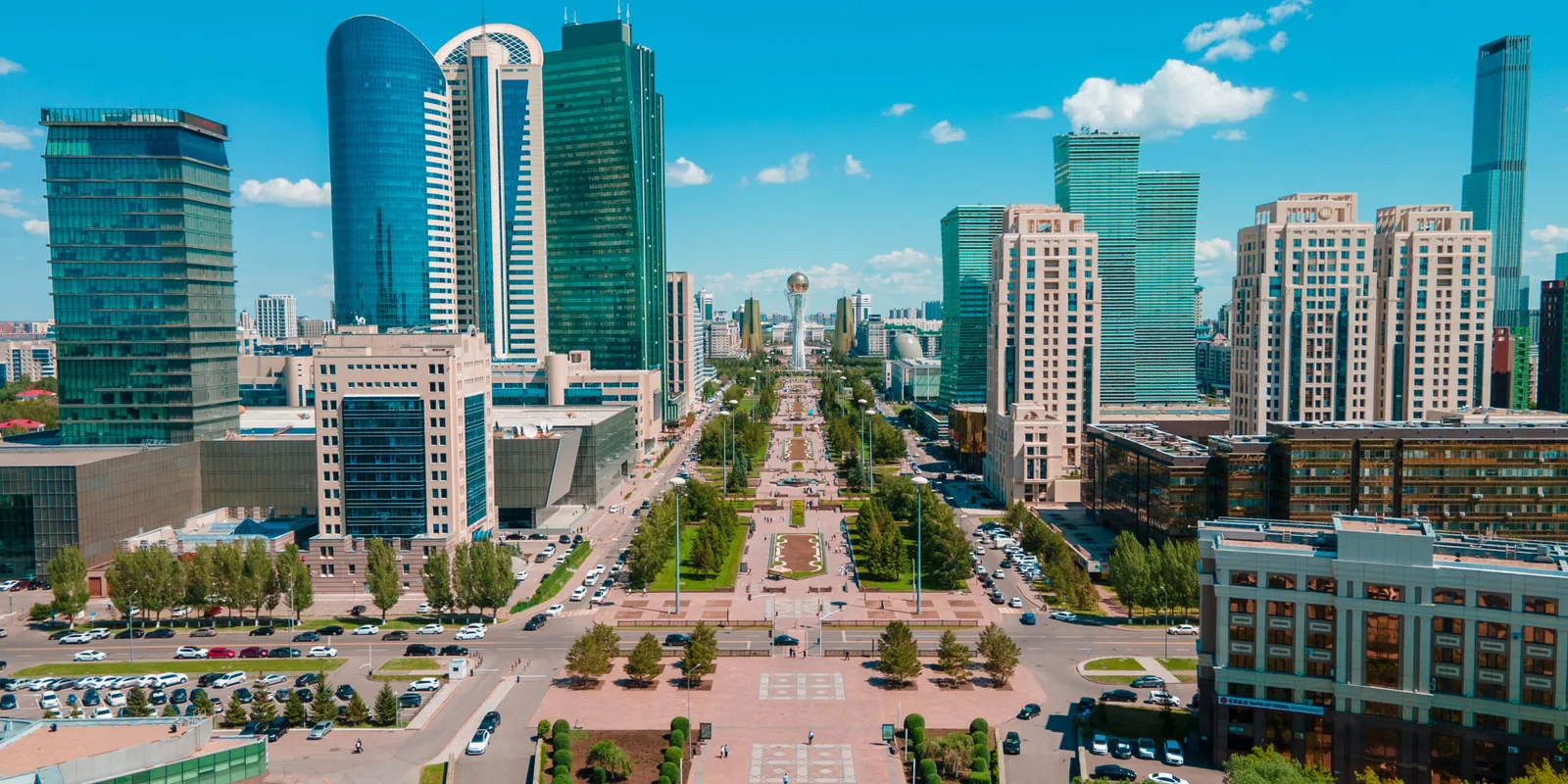
Astana: futuristic architecture on the Kazakh steppe
Omsk: Dostoevsky's Siberian exile
Bulgaria Air: The Bulgarian Flag Carrier as Seen by Passengers
Riyadh: which lounge to pick across King Khalid terminals

Swollen legs on planes: how to prevent discomfort without exercise
