
Beijing: what to see in 1 day
Beijing organizes its historic center along an almost perfectly north-south axis, inherited from the plan of the imperial city: Tiananmen Square marks its southern entrance, the Forbidden City occupies its heart and the Jingshan Park ideally closes the axis just to the north, offering an overview of the entire complex just crossed. It is a route that can be tackled almost entirely on foot, proceeding from south to north without ever straying far from the center.
In the afternoon the day leaves room for a choice between two different souls of the city: the symmetrical rigor of the Temple of Heaven, a little further south, or the narrow streets of the hutong around Houhai Lake, to the northwest, where Beijing shows a more intimate and residential face.
Tiananmen Square is the stop from which to start, one of the world's largest public squares, bounded by the Great Hall of the People, the National Museum of China and, on the north side, the Gate of Heavenly Peace with the large portrait of Mao that introduces the Imperial City. Arriving early in the morning allows you to cross it with calm before heat and visitor numbers increase in the central hours.
Beyond the Gate of Heavenly Peace you enter the Forbidden City, the imperial residence that for nearly five hundred years hosted the Ming and Qing dynasties and remains the largest preserved complex of wooden architecture in the world. The route follows the central axis through the major ceremonial halls, including the Hall of Supreme Harmony, before reaching the imperial gardens on the northern side, with their centuries-old pines and ornamental rocks arranged according to the canons of classical Chinese gardens.
Exiting from the northern gate of the complex, a short climb leads to Jingshan Park, the artificial hill built with earth excavated for the palace moats: from the Wanchun pavilion at the top, you dominate the entire expanse of gilded roofs of the Forbidden City just traversed, with the modern skyline of the city as backdrop in the distance.
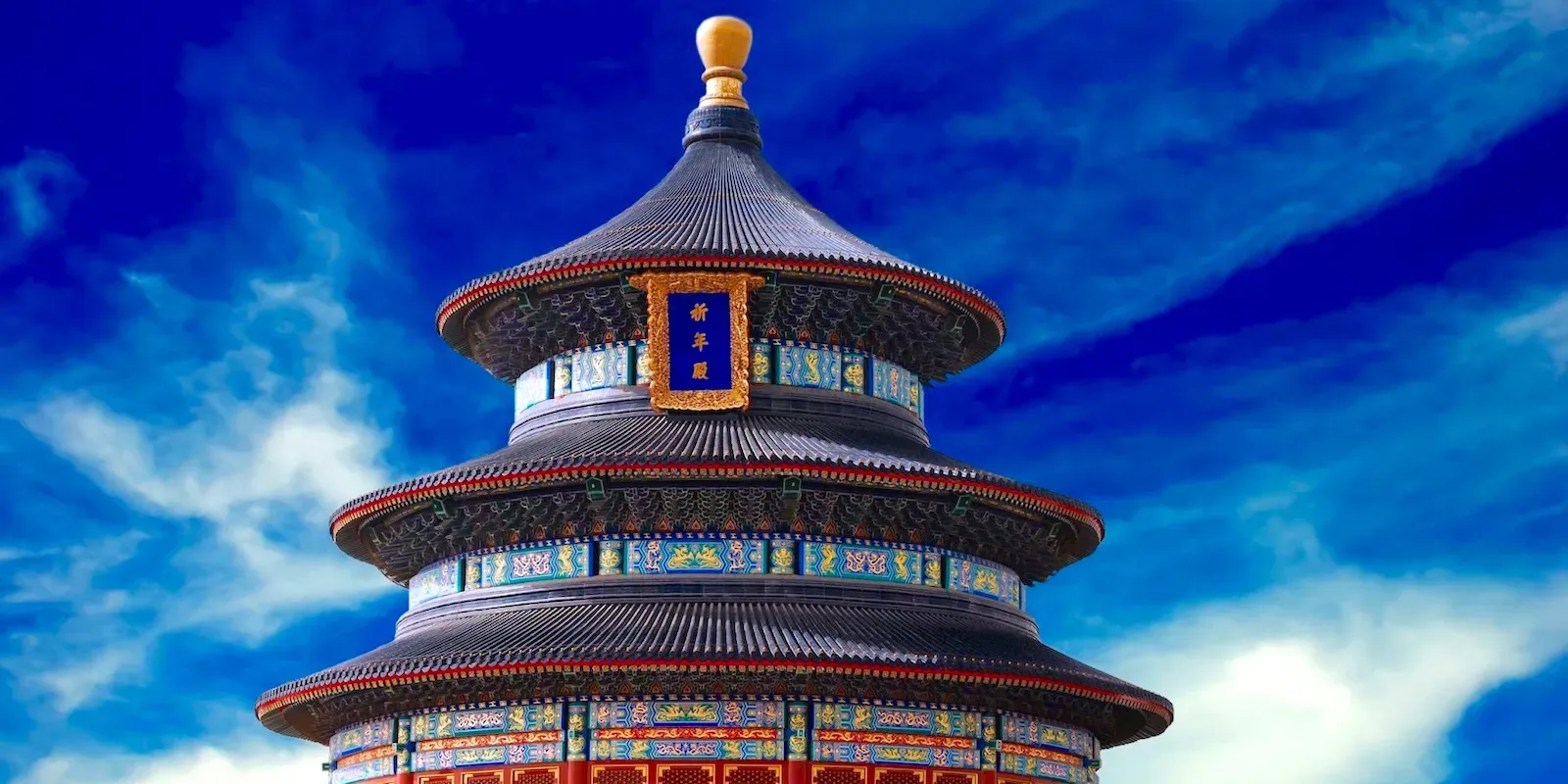
Toward the south you find the Temple of Heaven, the complex where emperors celebrated propitious rites for the harvest: the Hall of Prayer for Good Harvest, with its three-level circular roof in blue tiles, and the Circular Altar, built according to precise numerical symbolism linked to the sky, remain among the finest examples of Chinese ceremonial architecture.
Toward the northwest, the hutongs around Houhai Lake preserve instead the network of narrow alleys and traditional courtyards that survived the city's urban transformations: walking along the lake shores, among low gray brick houses and small shops, gives a very different image of Beijing from that of the monumental morning, and is also the most natural area in which to stop for dinner, among traditional restaurants and places overlooking the water.
Traveling Beijing's imperial axis, from Tiananmen Square to the Forbidden City all the way to Jingshan Park, already tells the most representative part of the historic city, then leaving the afternoon choice between the solemnity of the Temple of Heaven and the more intimate atmosphere of the hutongs of Houhai. Left out of this itinerary are the Great Wall and the Summer Palace, both outside the center and more suited to a separate outing, but from the Forbidden City to the hutongs of Houhai you already touch the historic heart of the Chinese capital.
Guided tours and experiences in Beijing
Related articles

You might also like...
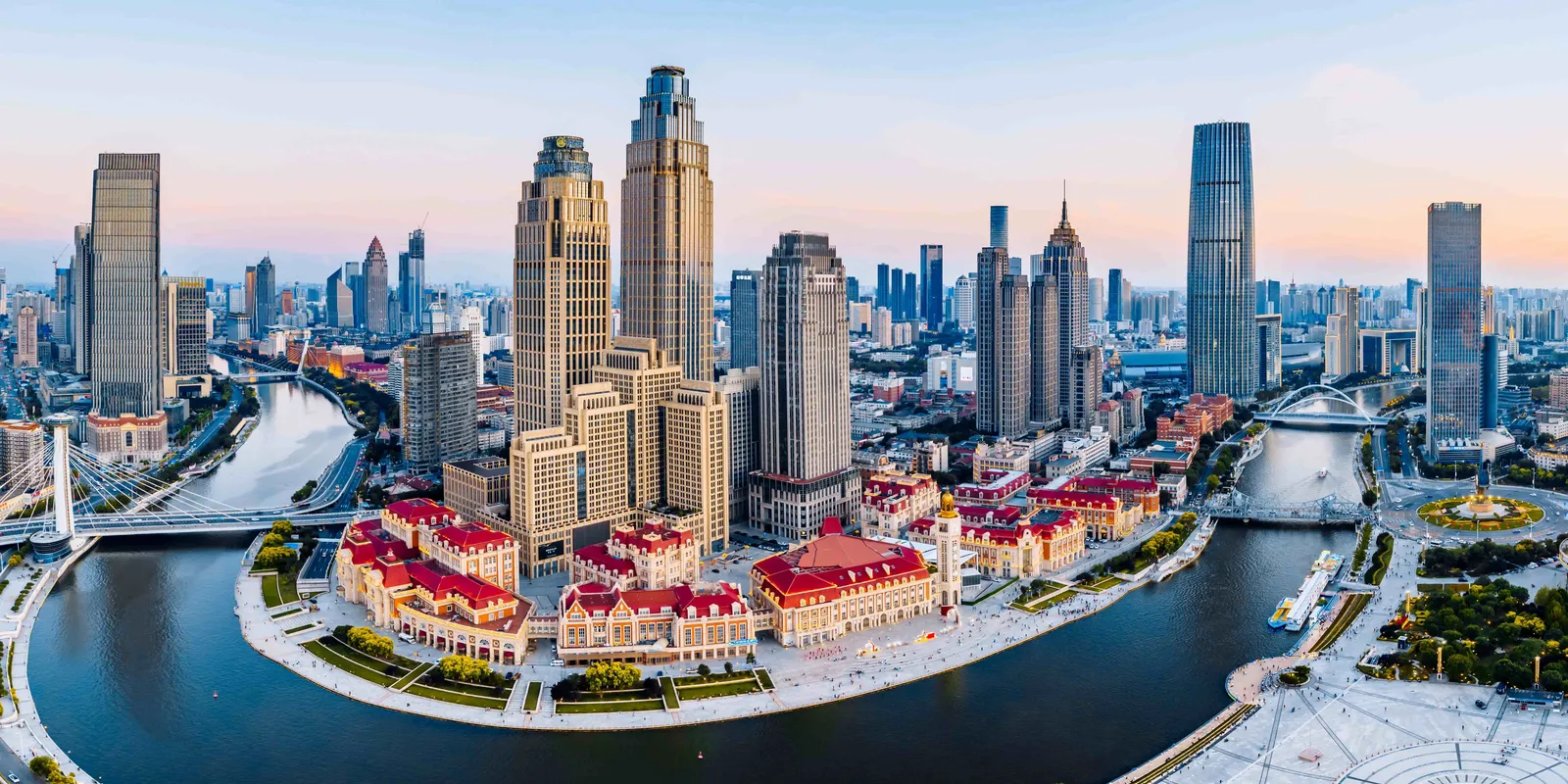
Tianjin: the European concessions on the Hai River
Jinan: the city of sacred springs

Useful technology for stress-free air travel

Guillermo León Valencia Airport: where to stay, areas and recommended hotels
How to organize yourself during a long layover
