Bilbao: from steel to the Guggenheim
Formerly a declining industrial capital of Basque steelworks, Bilbao reinvented itself from the 1990s around a single museum that became a symbol of urban renewal worldwide.
The center and riverside can be explored comfortably on foot or by city tram.
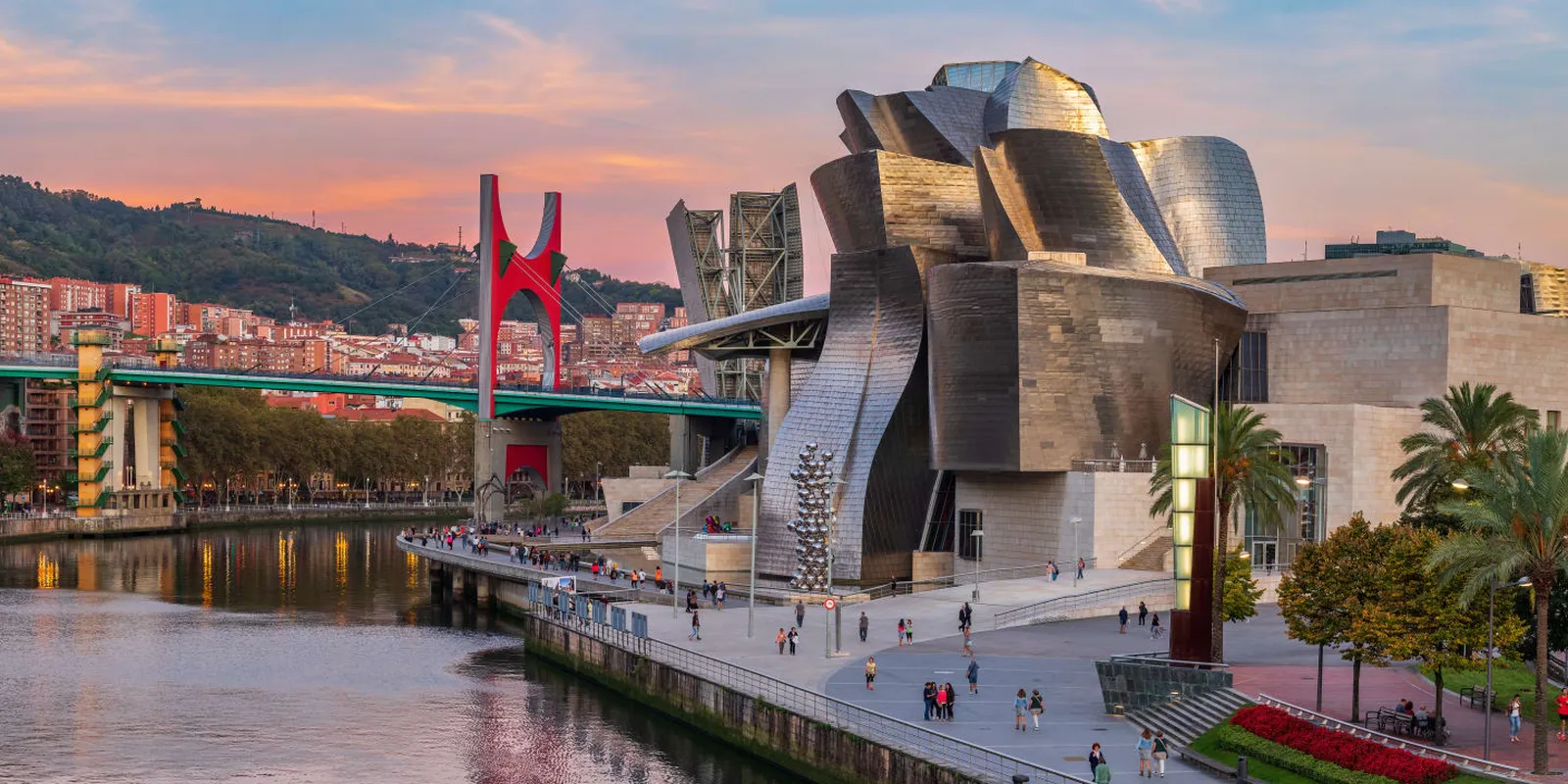
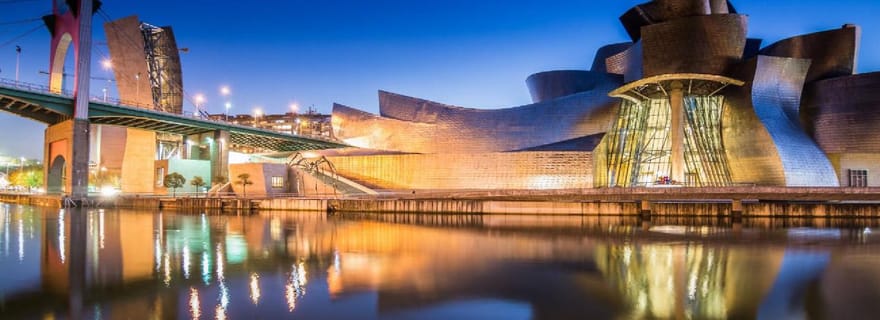
The day begins at the Guggenheim Museum: undulating titanium signed by Frank Gehry, inaugurated in 1997 where shipyards once stood, which has given its name to an urban phenomenon today cited everywhere as the 'Bilbao effect'.
Walking along the river you reach the medieval Casco Viejo, where the seven original streets of the Siete Calles survive, today enlivened by pintxos bars, the Basque version of tapas.
Just here, Art Deco windows overlooking the river still cover the Ribera Market, one of Europe's largest when it opened in 1929.
In the afternoon it's worth moving just outside the city, where since 1893 the Biscay Bridge has transported people and vehicles suspended above the Nervión estuary: the oldest transporter bridge still functioning in the world, a UNESCO heritage site since 2006.
A bar in the Casco Viejo can serve a dozen different pintxos in a row on the counter, all for a euro or two: you eat standing up, change bars every two or three tastes, and dinner becomes a small gastronomic walk through the evening.
The Artxanda funicular, operating since 1915, carries you in minutes up a hill over two hundred meters high with views of the entire city and the Nervión estuary below.
Guided tours and experiences in Bilbao

Related articles

You might also like...
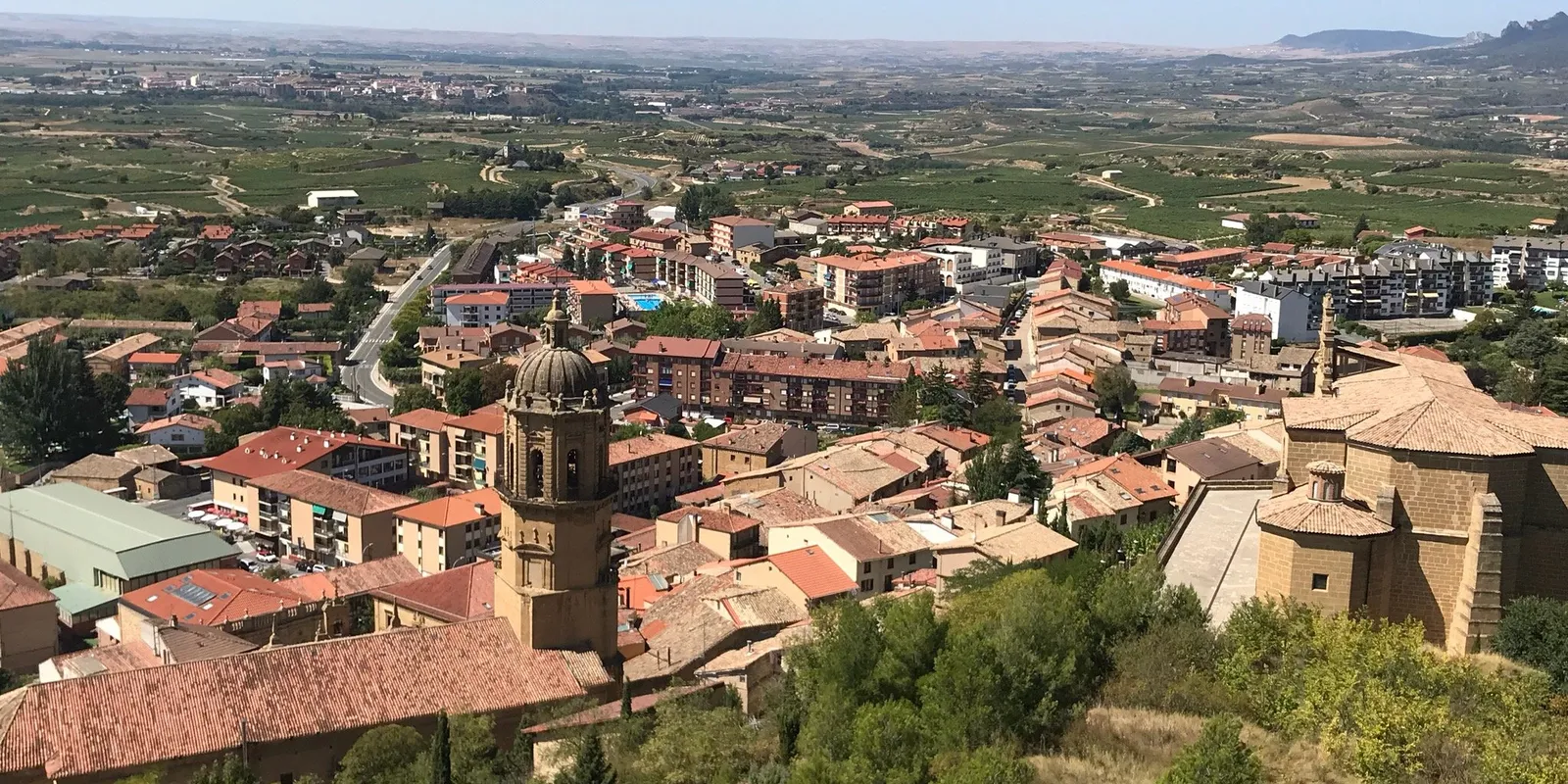
Vitoria-Gasteiz: the green capital of the Basque Country
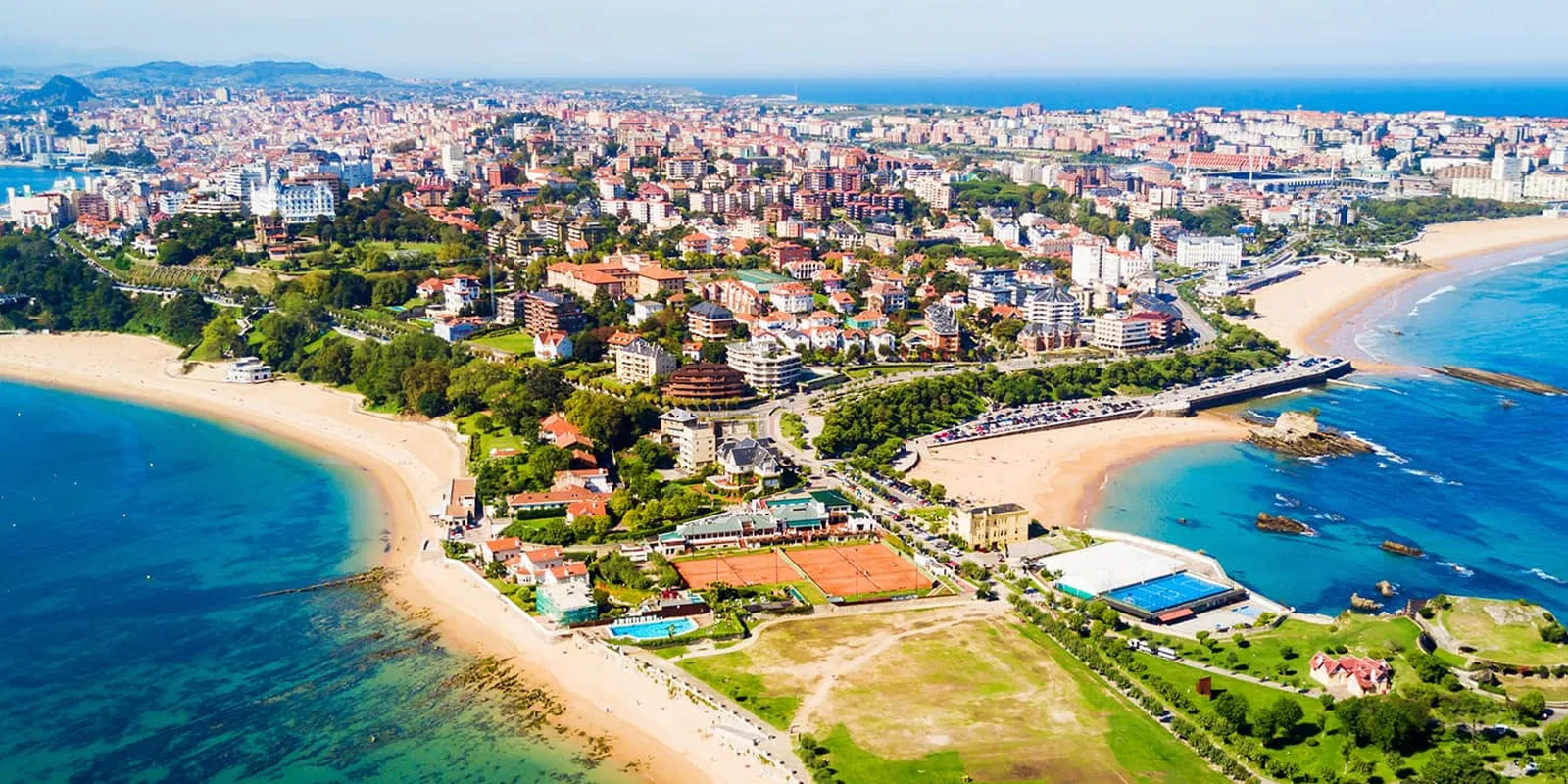
Santander: the royal peninsula and El Sardinero

GX Airlines: A Guide to the Routes of Guangxi's Carrier

Mytilene International Airport: where to stay, areas and recommended hotels
Jeddah: which lounge between Terminal 1 and North Terminal
