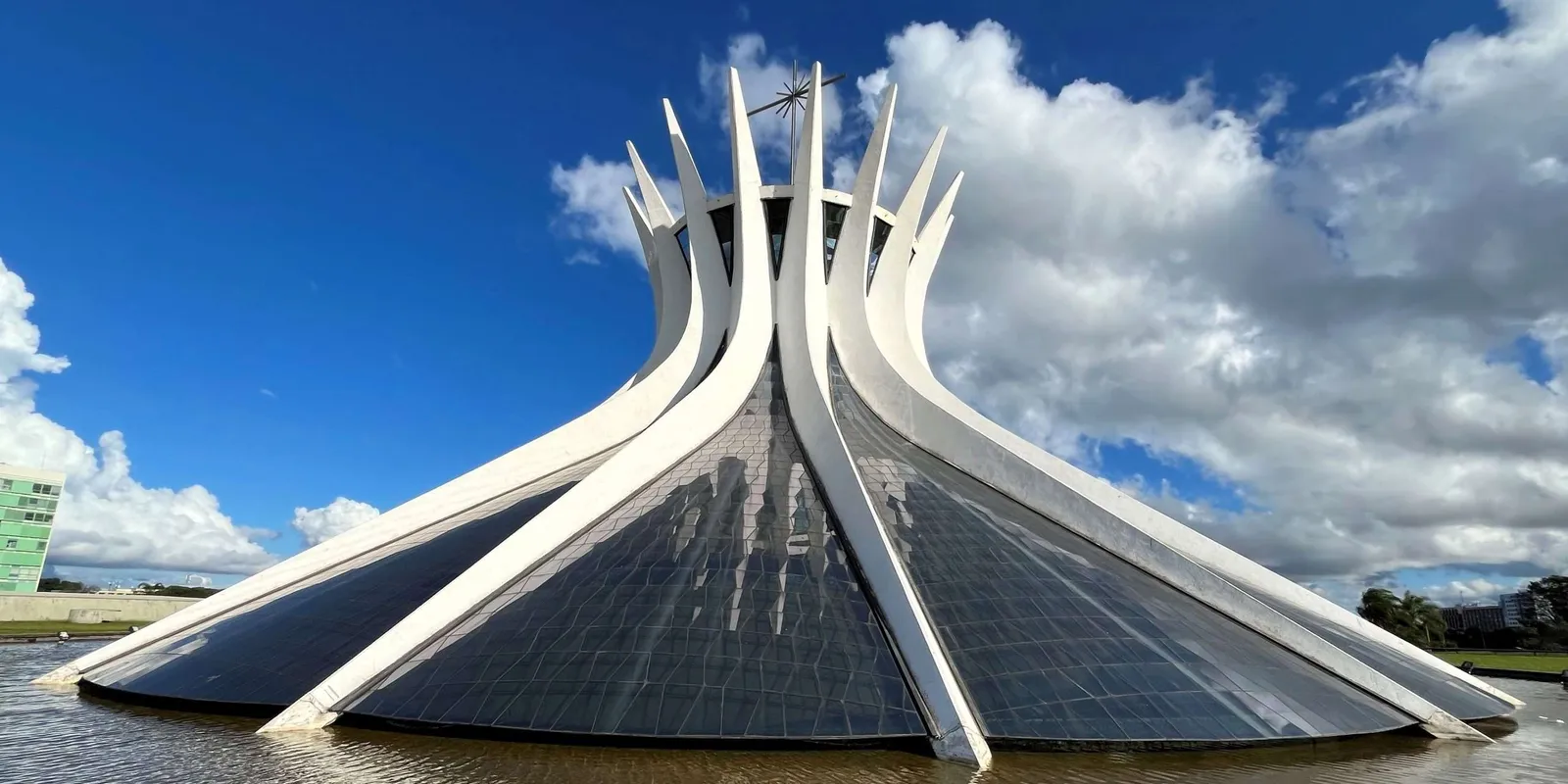

Brasília: the capital designed by Niemeyer
Built from scratch in just forty-one months and inaugurated in 1960, Brasília remains the only twentieth-century city to be entirely a UNESCO World Heritage site, thanks to the urban plan by Lúcio Costa and the buildings designed by Oscar Niemeyer.
The city, designed for automobiles, requires a car or taxi to connect its main monuments, which sit far apart from one another.
The Cathedral of Brasília, a circular structure formed by sixteen curved concrete columns opening toward the sky, houses a ceiling entirely of glass that floods the nave below with natural light.
The National Congress, with its twin towers flanked by an inverted dome and a cup-shaped dome, visually represents Brazil's two parliamentary chambers through the very form of the buildings themselves.
Praça dos Três Poderes, symbolic heart of the capital, unites in the same open space the seats of executive, legislative, and judicial power, following the original Costa plan that rigorously separated city functions.
The Itamaraty Palace, seat of the Foreign Ministry, appears to float optically over an artificial basin of water, with interior gardens designed by landscaper Roberto Burle Marx.
Very few capitals in the world have been planned from the drawing board with such coherence, from the shape of the ministries to the exact distance between one state power and another.
The Itamaraty Palace, seemingly suspended over water itself, perhaps best illustrates how that original plan aimed to make visible, not merely functional, every political choice of the new capital.
Guided tours and experiences in Brasilia


Related articles

You might also like...
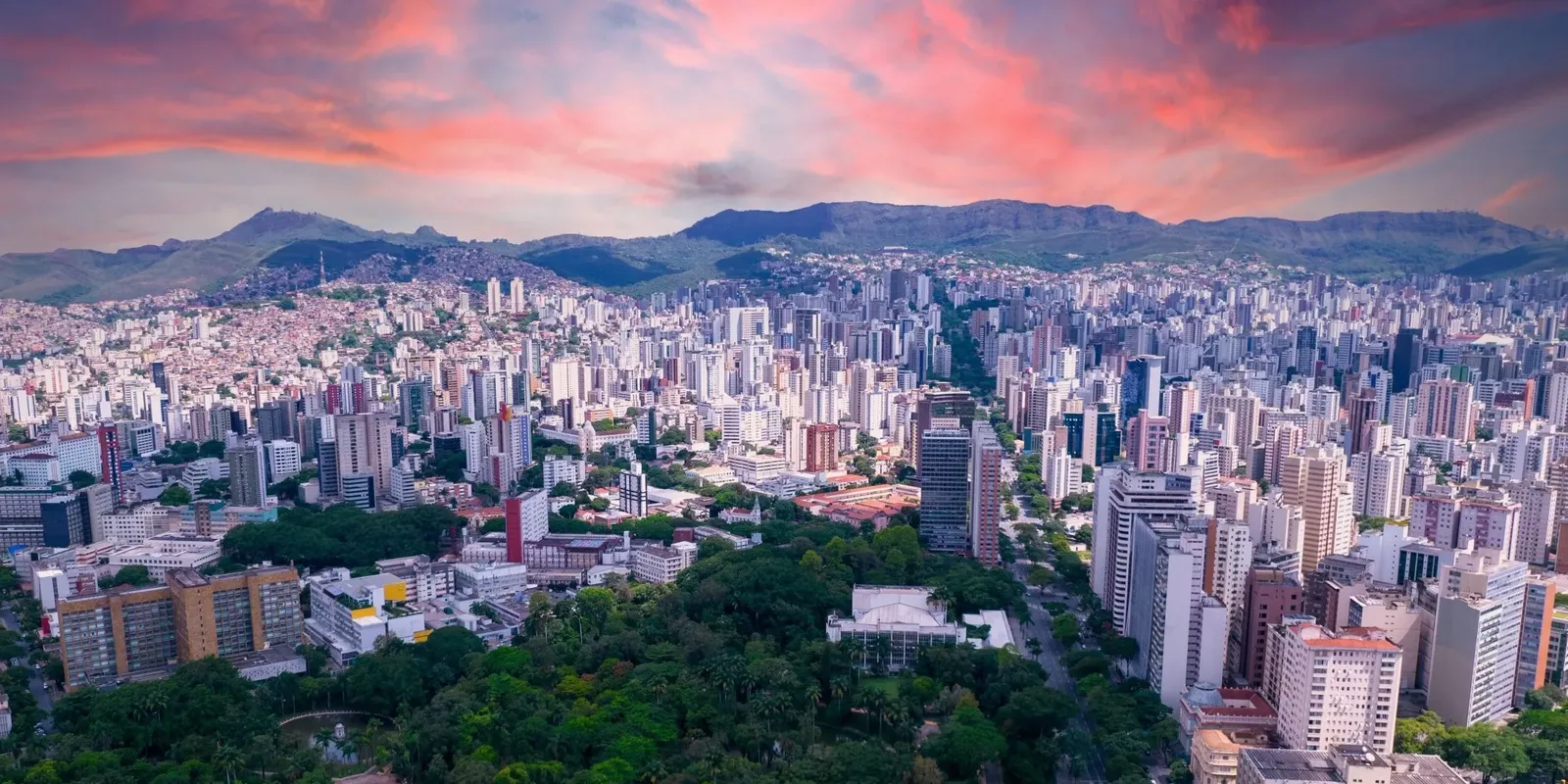
Belo Horizonte: Niemeyer on Lake Pampulha
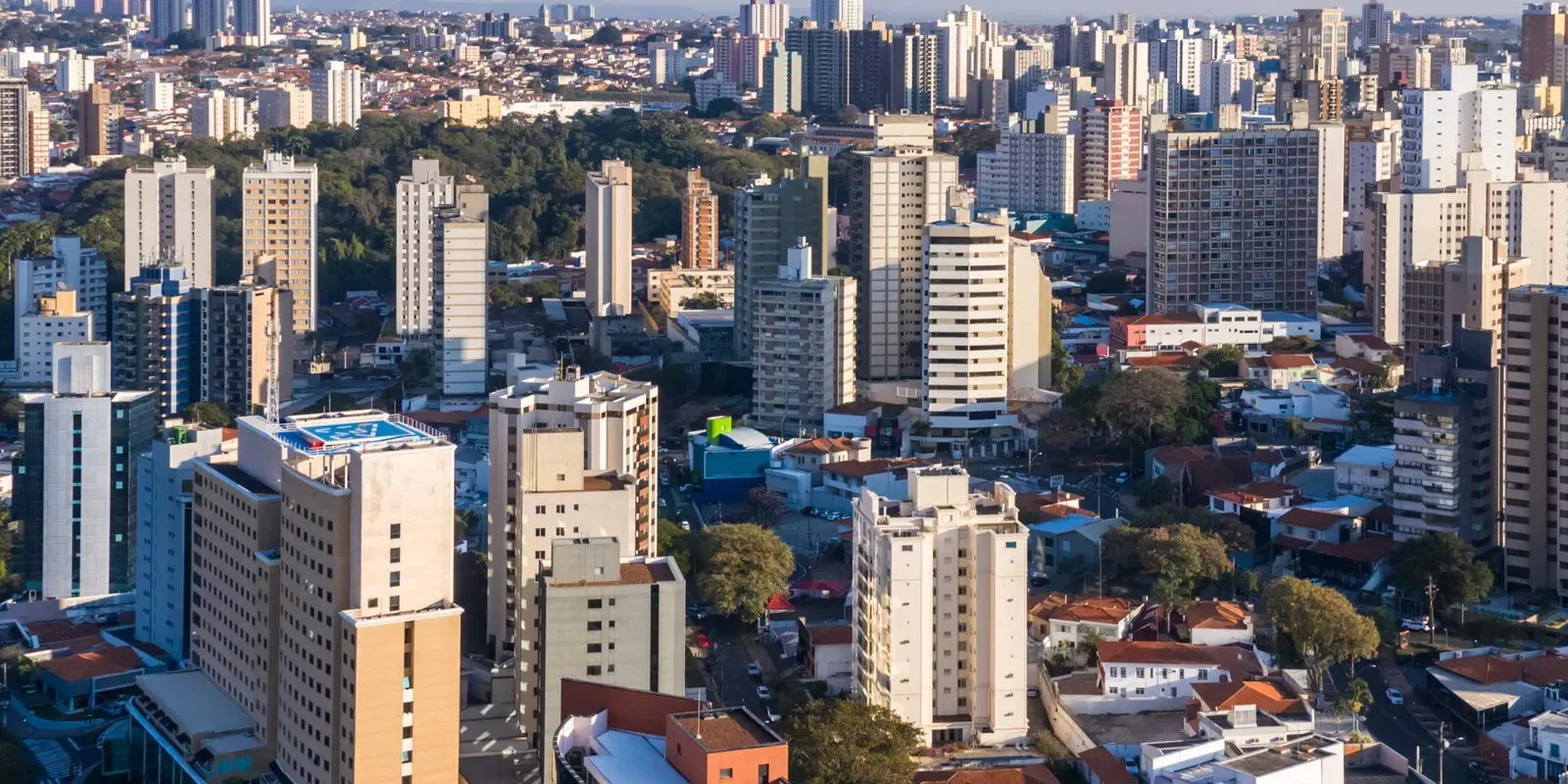
Campinas: Brazil's Silicon Valley

Silvio Pettirossi International Airport: where to stay, areas and recommended hotels

Point Salines International Airport: where to stay, areas and recommended hotels

Lao Airlines: How to Fly in the Landlocked Country