Cagliari: bastions on the Mediterranean
Capital of Sardinia built on seven hills like an ancient Mediterranean city, Cagliari alternates between hillside historic districts and one of Italy's most extensive and popular urban beaches.
The Castello district and ramparts can be comfortably explored on foot.
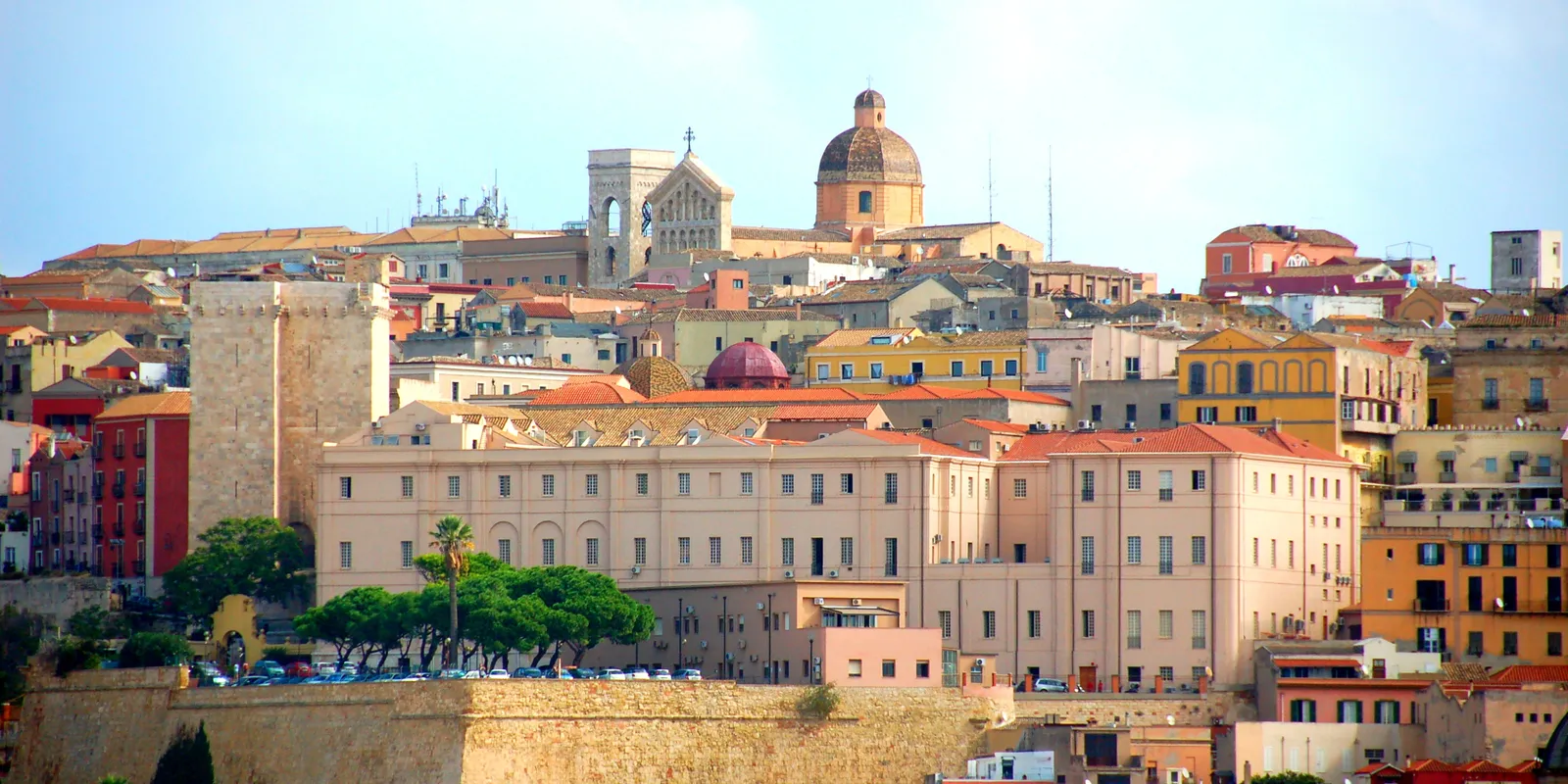
The day begins at the Bastion of Saint Remy, built at the end of the nineteenth century over the ancient Spanish fortifications: its monumental terrace opens a view that spans from the port to the Gulf of Angels.
Right behind it you enter the Castle district, once the only habitable zone for the local aristocracy and surrounded by Pisan and Spanish walls, which still preserves the Cathedral of Santa Maria and the noble palaces of the period.
Descending toward the center you reach the Roman Amphitheater, partially carved into the limestone rock: it hosted ten thousand spectators in the second century and continues to be used for open-air shows in summer, two thousand years later.
In the afternoon it's worth moving toward the sea, where over eight kilometers of sand make the Poetto the place where Cagliaritans take a swim before or after work in the summer months.
In summer, it's not unusual to see someone arrive at Poetto still in office shirt and trousers, swim in underwear or a suit worn beneath their clothes, and leave twenty minutes later to return to work with wet hair.
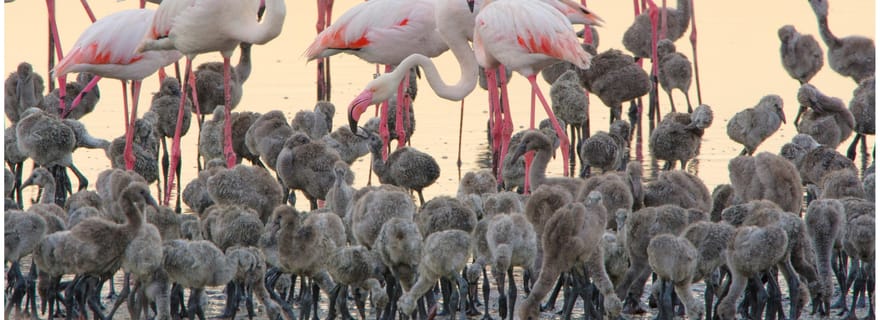
In the salt marshes just outside the city, visible even from stretches of the ring road, hundreds of pink flamingos have settled permanently, becoming over the years an almost taken-for-granted sight for Cagliartans.
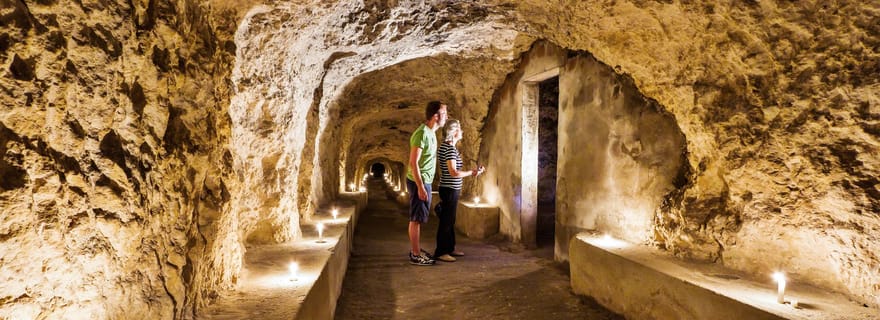
Guided tours and experiences in Cagliari
Related articles


You might also like...
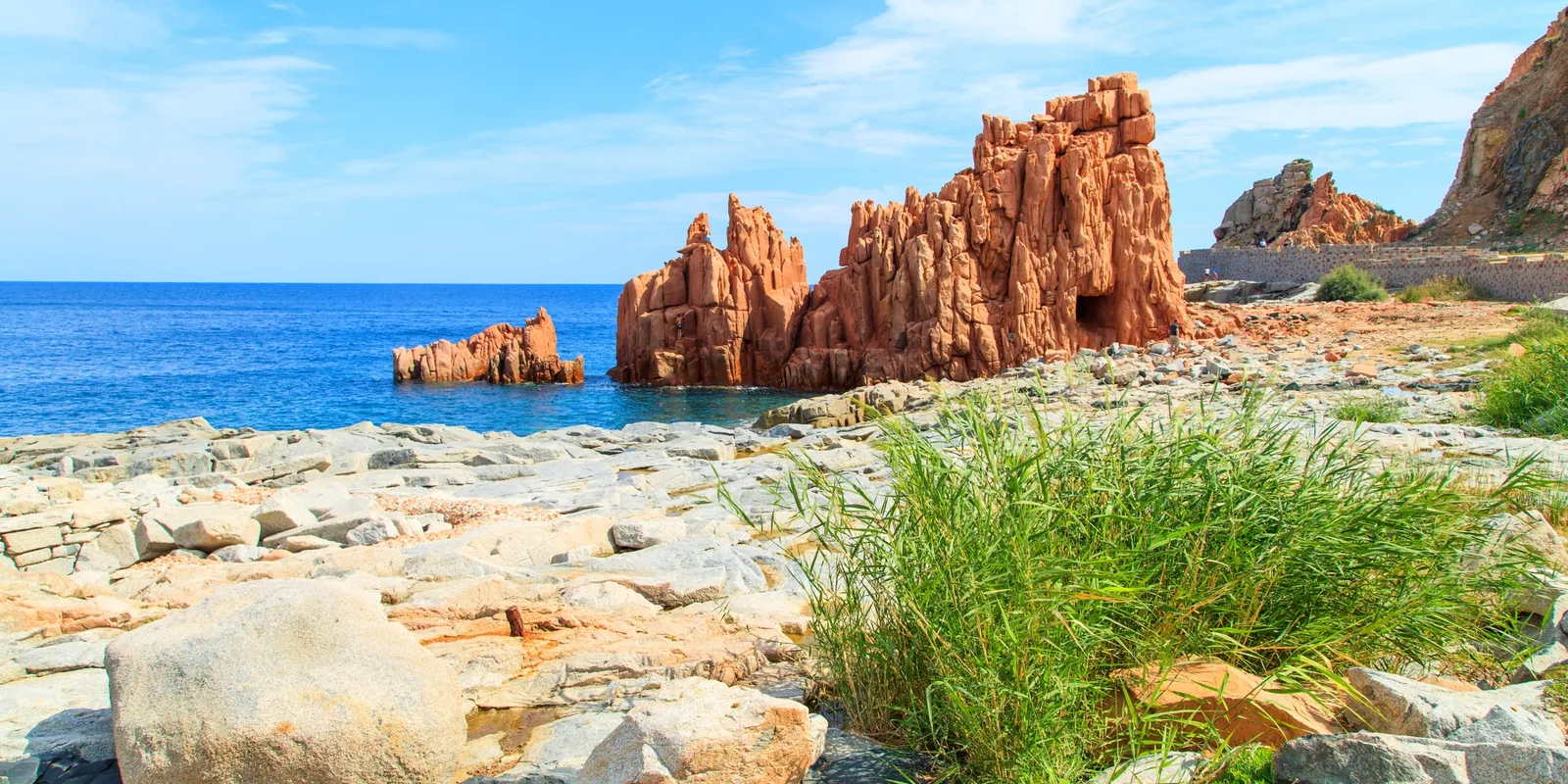
Arbatax: the red rocks of eastern Sardinia
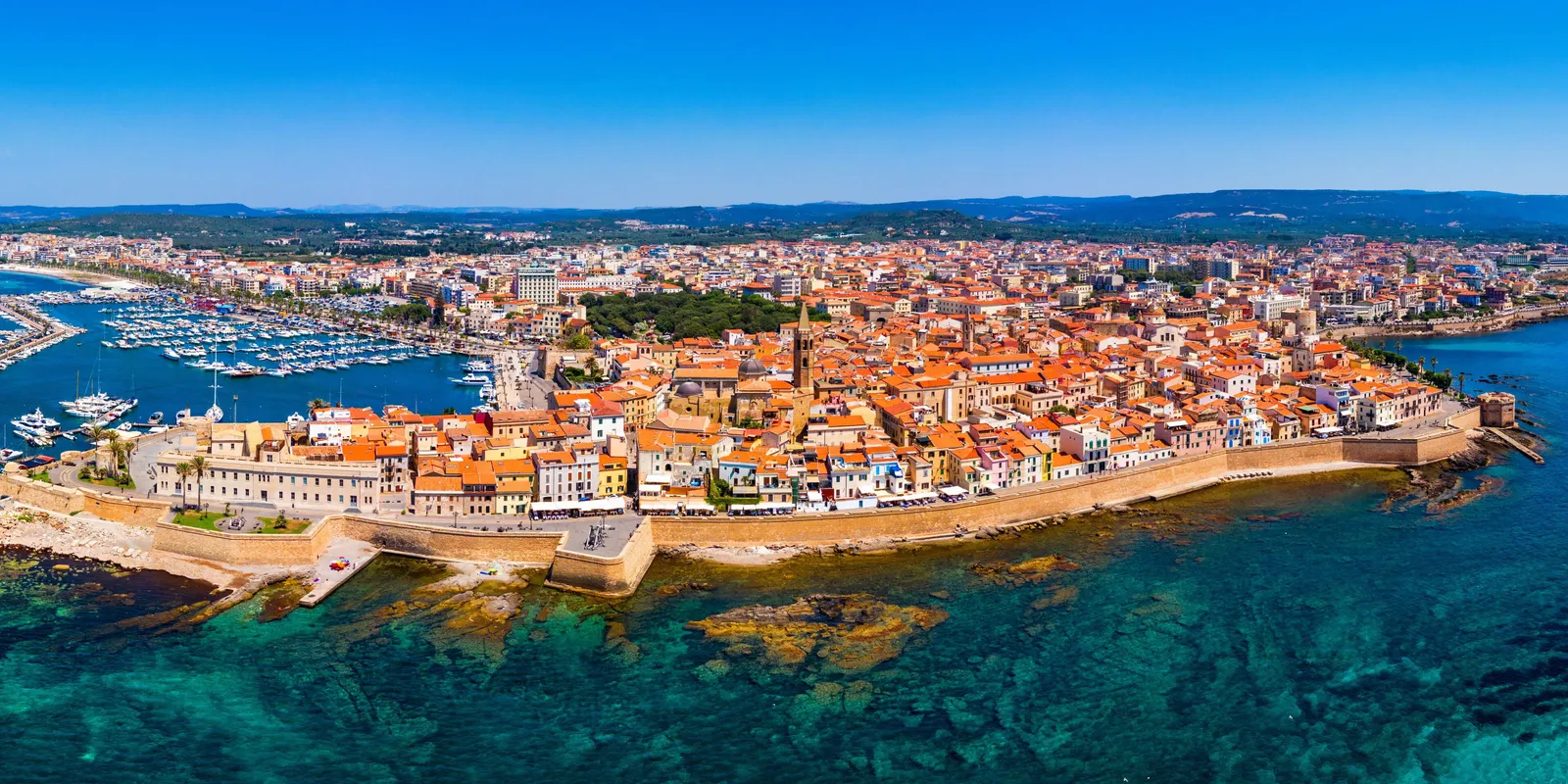
Alghero: Sardinia's Catalan soul

Charlotte Douglas International Airport: where to stay, areas and recommended hotels

Lungi International Airport: where to stay, areas and recommended hotels

Flight delay: what changes at each time threshold