Cali: the world capital of salsa
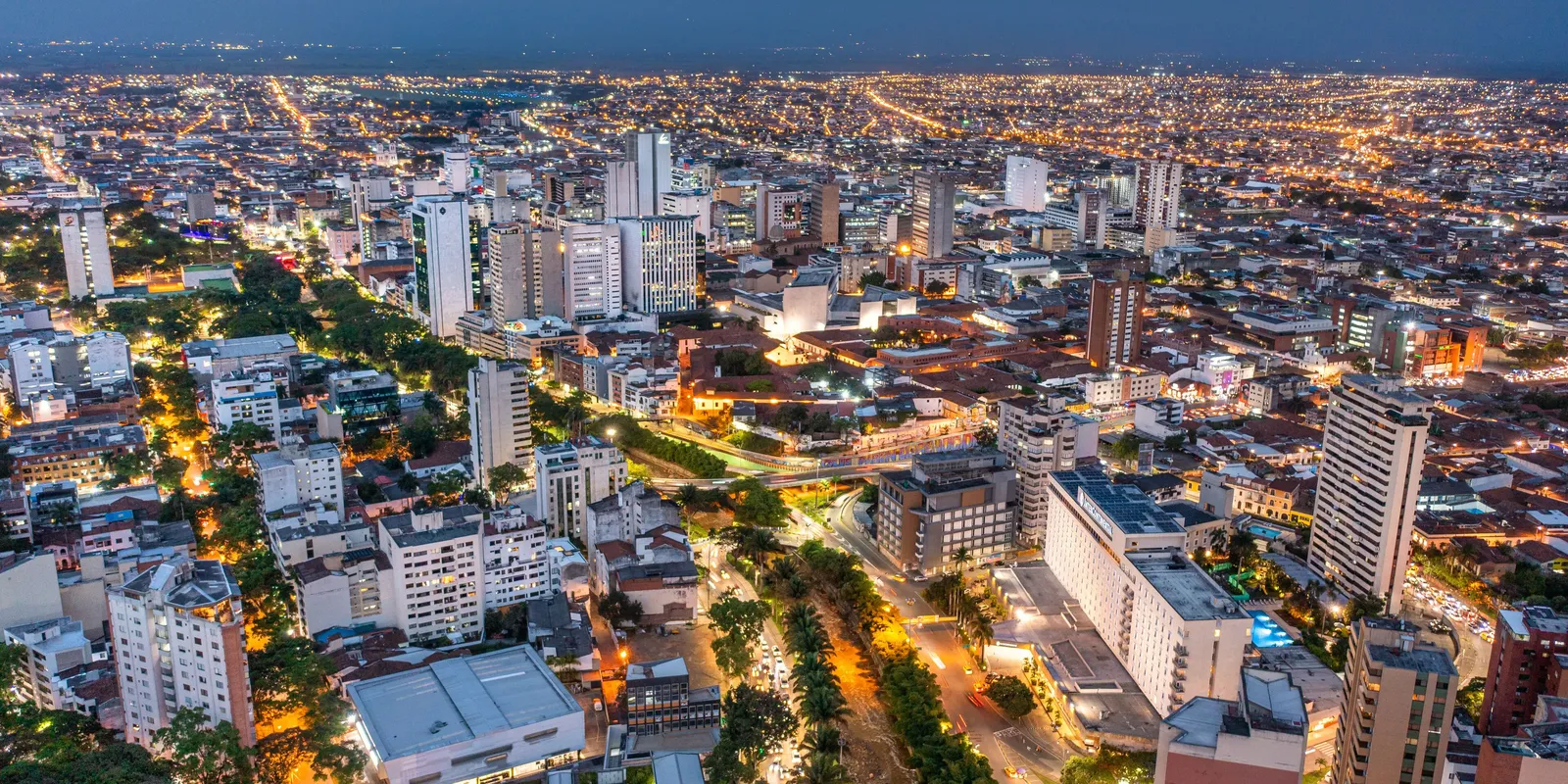
Self-proclaimed capital of salsa, Cali experiences music not as evening entertainment but as part of everyday life, from neighborhood dance schools to the religious statues on its hillsides.
San Antonio and the center are easily explored on foot; Cristo Rey requires a short car trip.
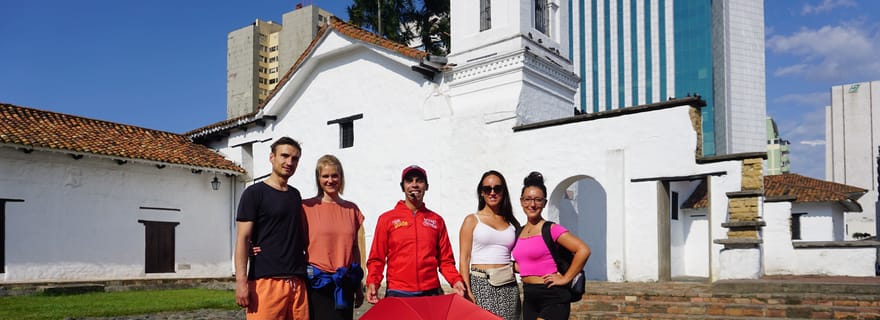
The San Antonio neighborhood, on the homonymous hillside, preserves low colonial houses and a small white eighteenth-century church, surrounded by a park from which the entire valley of the Cauca River can be observed.
The Cristo Rey, a twenty-six-meter statue built in 1953 on a hill at fourteen hundred meters altitude, offers from its base a view that on clear days reaches the surrounding Andes.
The Iglesia La Ermita, rebuilt in Neogothic style after an early twentieth-century earthquake, houses a painting by neogranadino artist Gregorio Vásquez, born in Santa Fe de Bogotá, dating from the colonial period.
In the venues of Barrio Obrero and along Avenida Sexta, live orchestras play salsa into the late hours, in a musical tradition that arrived from Cuba and Puerto Rico and was reinvented locally starting in the nineteen-seventies.
From Cristo Rey, the Cauca valley stretches silent beneath the visitor's eyes; a few hours later, that same landscape fills with the sound of salsa rising from downtown venues.
Cali, after all, seems to live in this continual passage between the silence of the hills and the rhythm of the lower streets.
Guided tours and experiences in Cali
Related articles
You might also like...
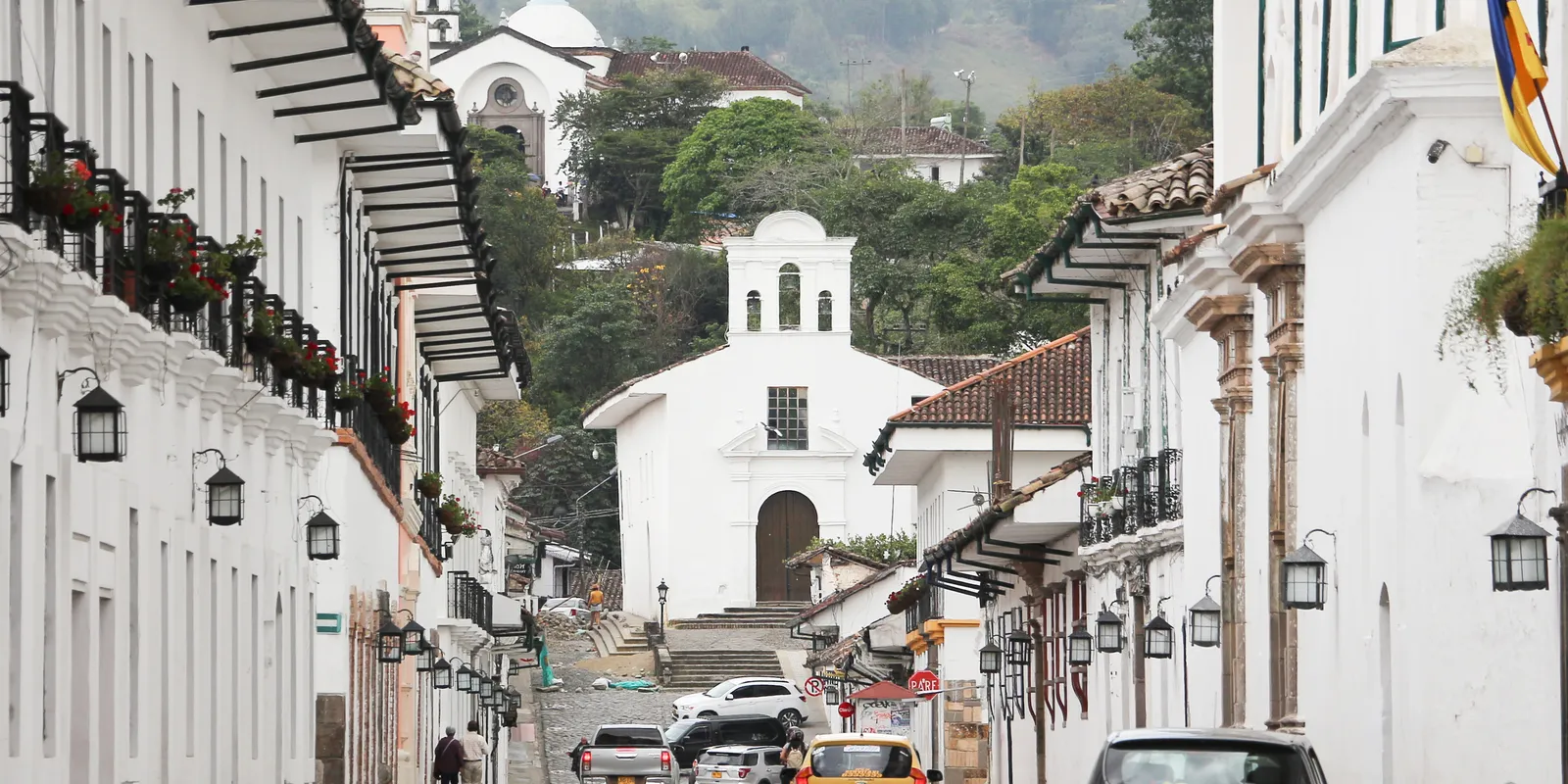
Popayán: Colombia's white city
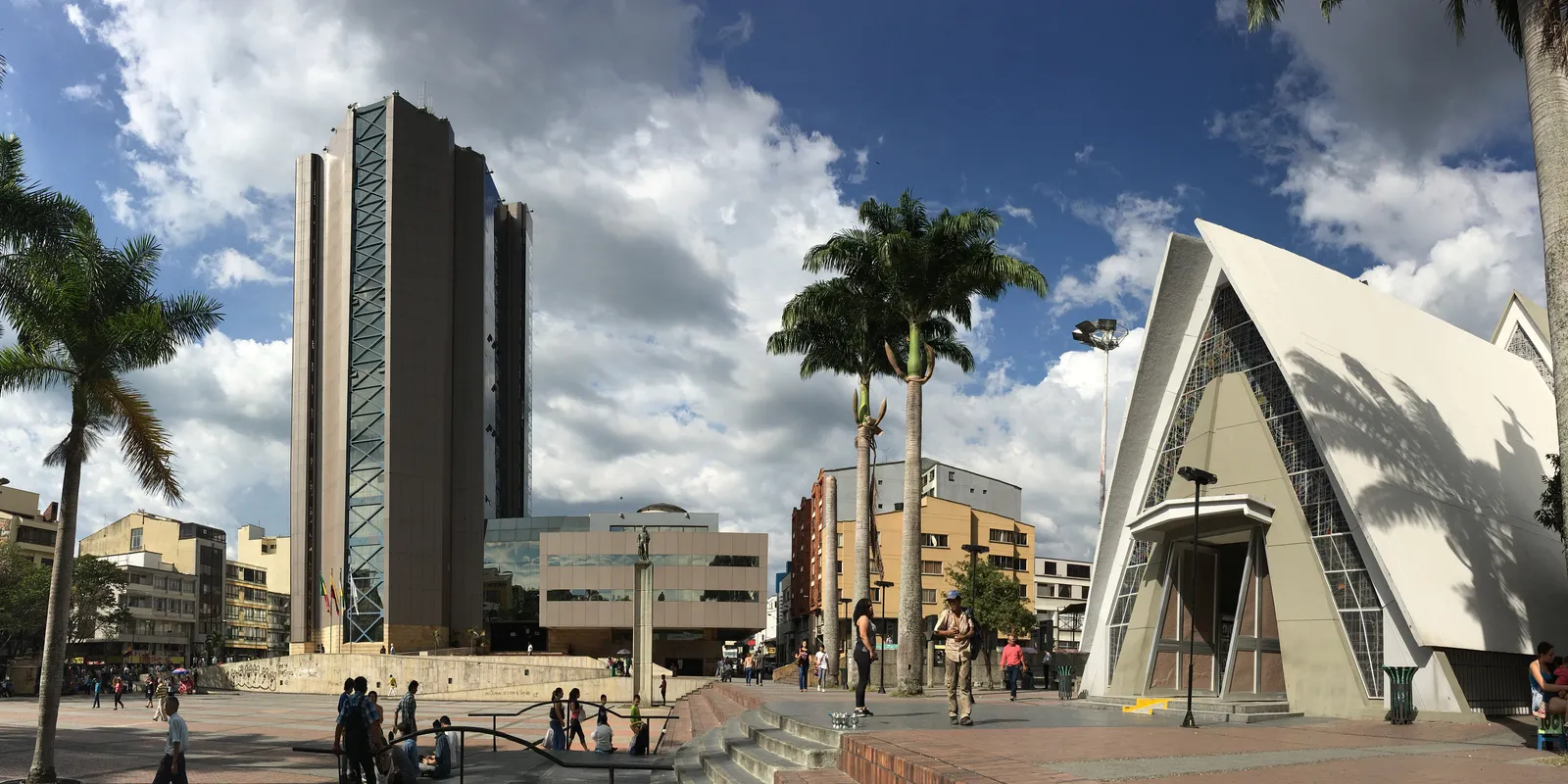
Armenia: the city that shares its name with a country

Albenga Villanova d'Albenga Airport: where to stay, areas and recommended hotels

Jomo Kenyatta International Airport: where to stay, areas and recommended hotels

Volotea: The Low-Cost Airline Linking Europe's Secondary Cities Without Going Through the Big Hubs