
Damascus Today: The Transition After Assad's Fall
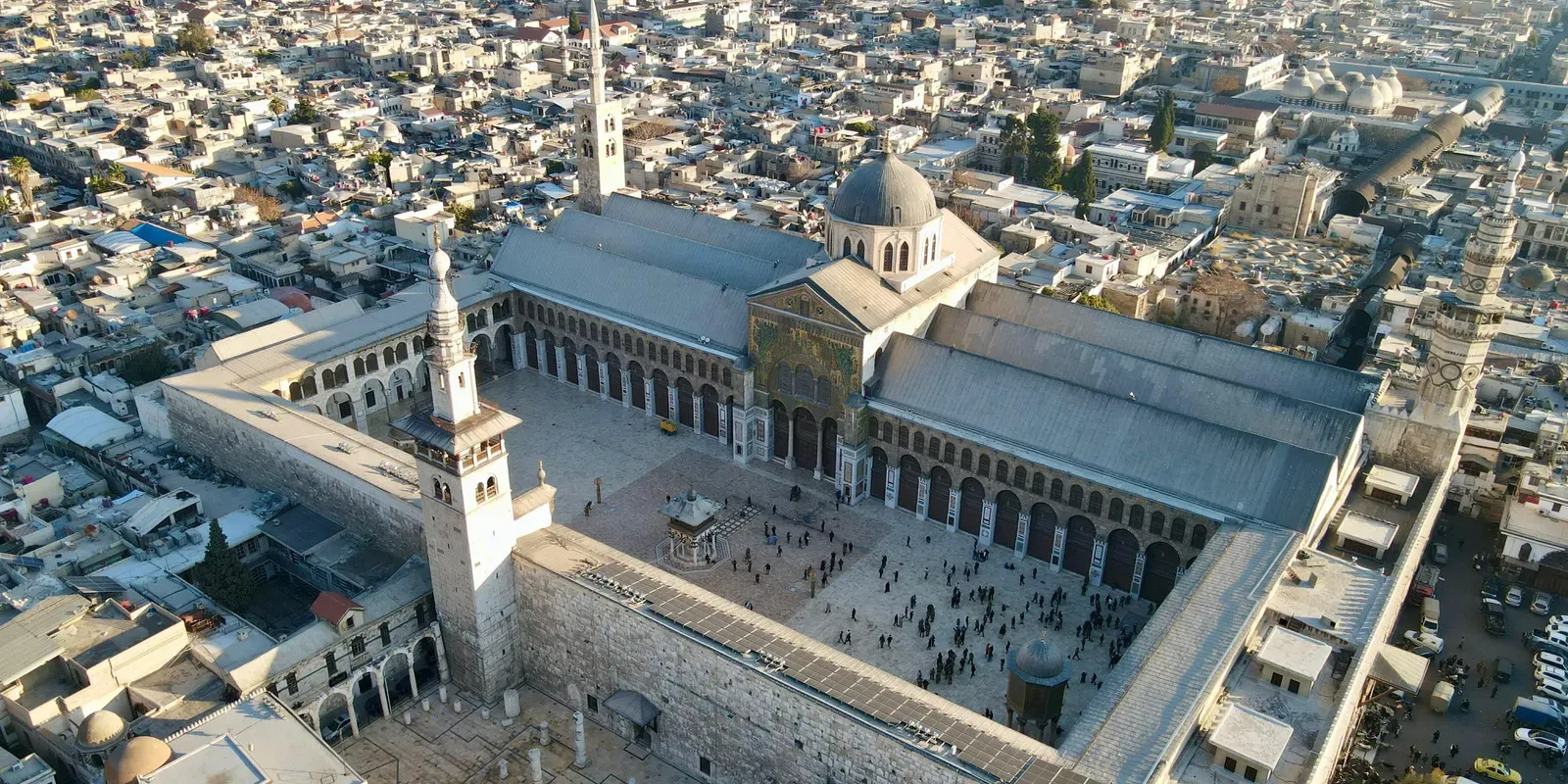
Considered one of the oldest continuously inhabited cities in the world, Damascus preserves in its UNESCO Old City the Umayyad Mosque and the vast covered souk of al-Hamidiyah.
Narrow alleys, caravanserais, and Ottoman courtyard houses tell two thousand years of history, from capital of the Umayyad Caliphate to crossroads of cultures between Mediterranean and Mesopotamia.
The Syrian civil war, which began in 2011, devastated much of the country for over a decade, while sparing the historic center of the capital largely compared to other cities like Aleppo.
In December 2024 the fall of Bashar al-Assad's government opened a phase of transition guided by a new administration, after over fifty years of power held by the Assad family.
The transition remains fragile, with recurring sectarian tensions, an economy collapsed after years of sanctions and war, and vast quantities of weapons still in circulation among different groups.
International recommendations remain very cautious, citing the risk of sudden instability, unexploded ordnance and the difficulty of predicting the country's political evolution.
In a context of stability, Old Damascus would offer the Umayyad Mosque, the al-Hamidiyah souq, and an architectural heritage among the most layered in the Middle East.
The consolidation of Syria's political transition will be decisive in determining when and how this heritage can become fully accessible to international visitors once again.
Related articles
You might also like...
Beirut in a day: what to see
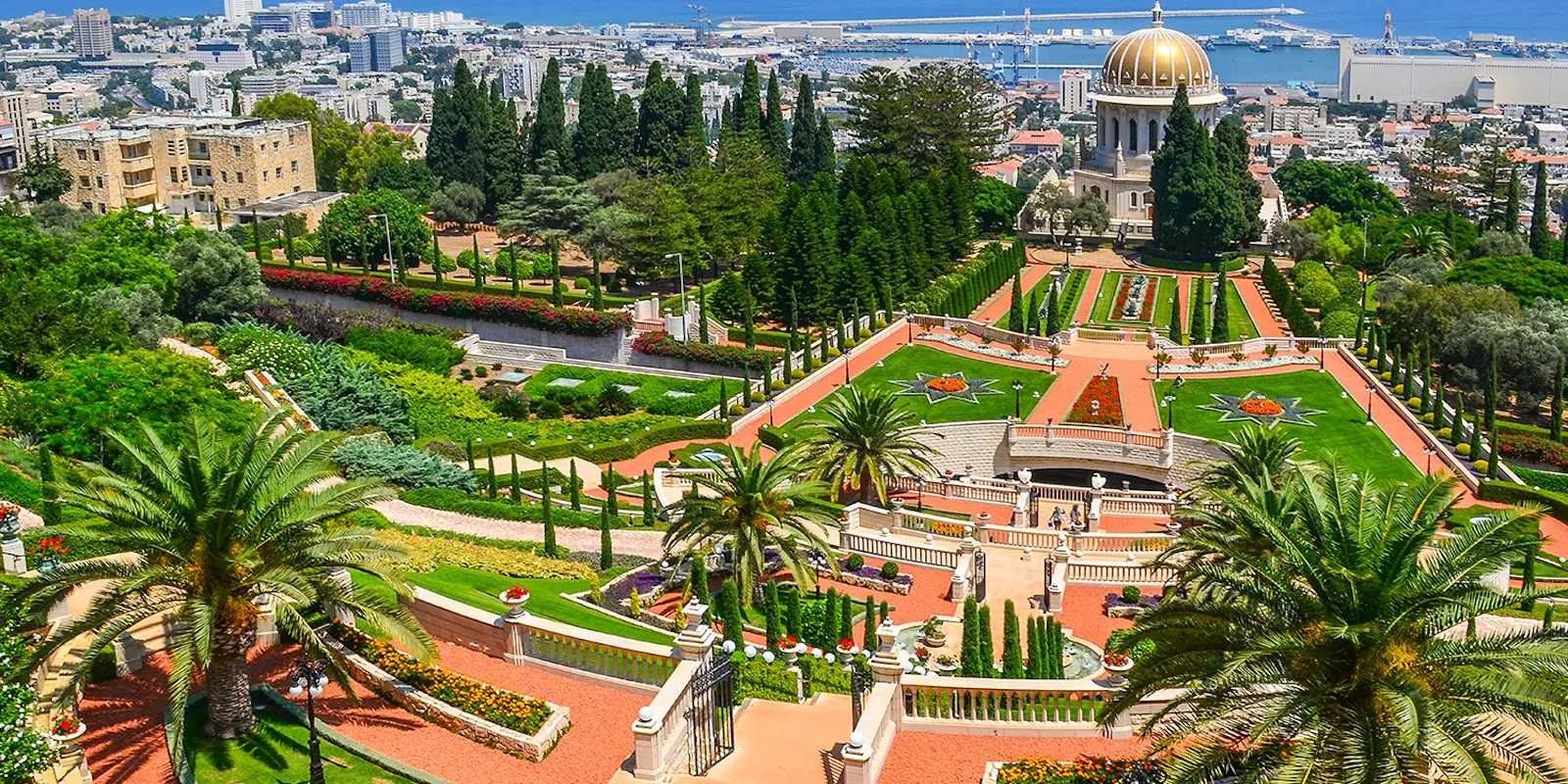
Haifa: the hanging gardens of the Bahá'í faith

Skopje Alexander the Great Airport: where to stay, areas and recommended hotels

Tallinn Airport: where to stay, areas and recommended hotels

Canaryfly: The Low-Cost Alternative for Flying Between the Canary Islands