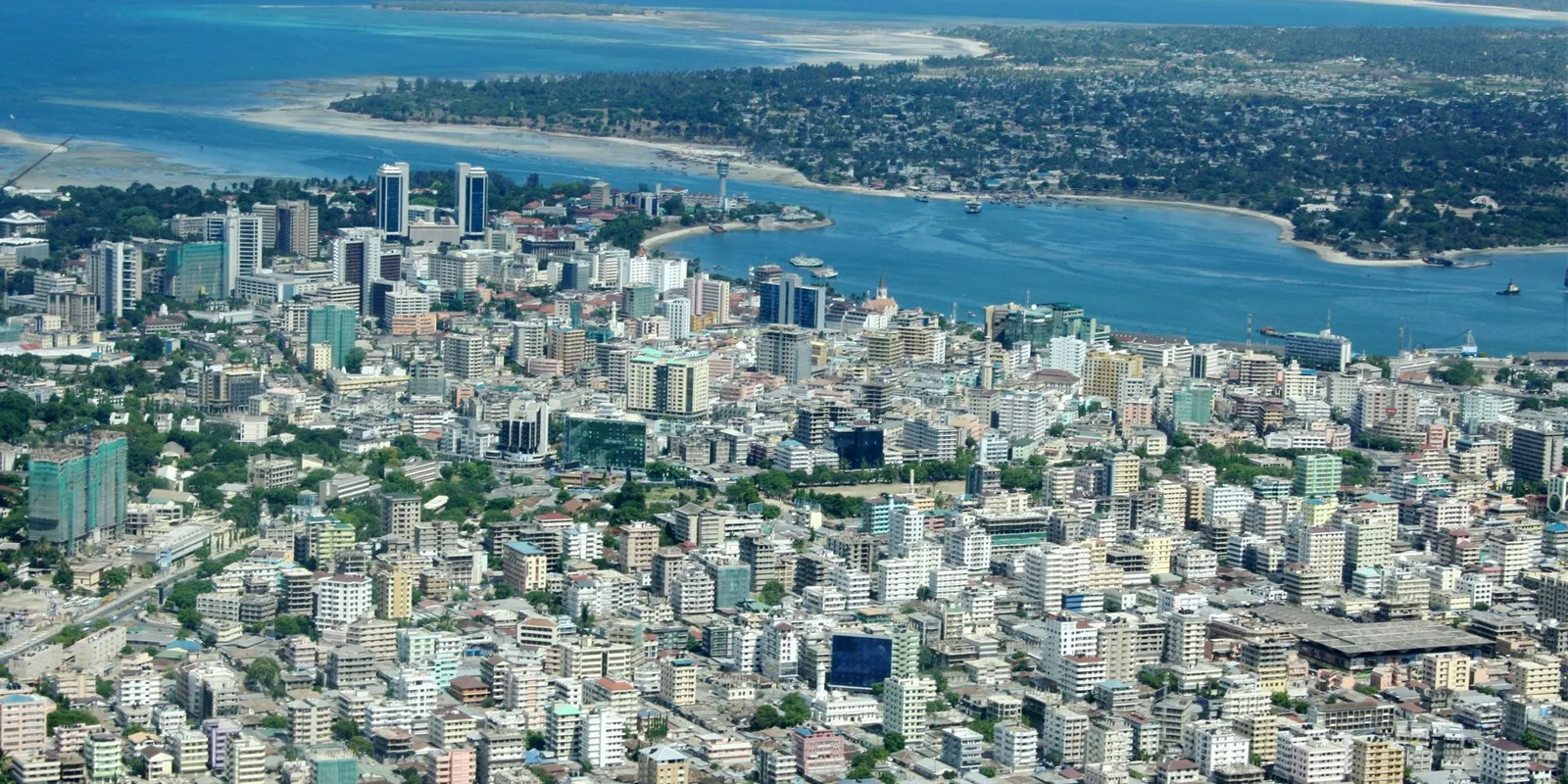

Dar es Salaam: the gateway to Zanzibar
Former capital of Tanzania and still its economic center, Dar es Salaam lives around the natural harbor that gives it its name—'abode of peace' in Arabic—and from which ferries depart to Zanzibar.
The center is easily walked, while Kariakoo requires attention to intense traffic on surrounding streets.
The National Museum of Tanzania displays the cast of a cranium of Zinjanthropus, among the oldest hominin fossils ever discovered, found in 1959 in the Olduvai Gorge by the couple of paleoanthropologists Mary and Louis Leakey.
The Askari Monument, a bronze statue of an African soldier enlisted by the British in the First World War, has occupied the center of the city since 1927 in memory of African bearers and soldiers who fell in a European conflict.
The Kariakoo market, the largest and most chaotic in the city, sells everything—kitenge fabrics, spices, electronics—in the same blocks that took their name from the Carrier Corps colonial base that had its seat there during the war.
The Kivukoni fish market, active at dawn along the port, allows viewing the unloading of artisanal fishing boats before the catch is auctioned directly on the dock.
The Askari Monument, dedicated to African soldiers in a European war, and the very name of Kariakoo, inherited from a colonial military corps, remind us how much Dar es Salaam's history remains intertwined with conflicts born elsewhere.
The Kivukoni fish market, with its daily rhythm indifferent to grand history, offers instead the most immediate and least mediated version of the city.
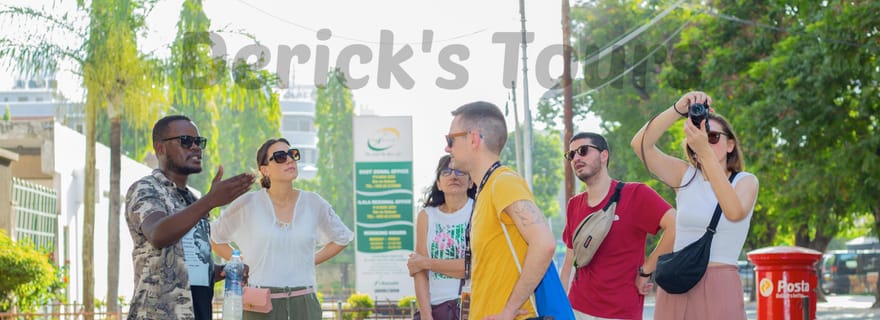
Guided tours and experiences in Dar es Salaam
Related articles
You might also like...
Zanzibar: Stone Town between spices and history
Mombasa: Fort Jesus and the Swahili town

Malabo Airport: where to stay, areas and recommended hotels

Flight delay: when you're entitled to compensation
SmartWings: The Largest Czech Airline, Between Charter and the Move to Pegasus
