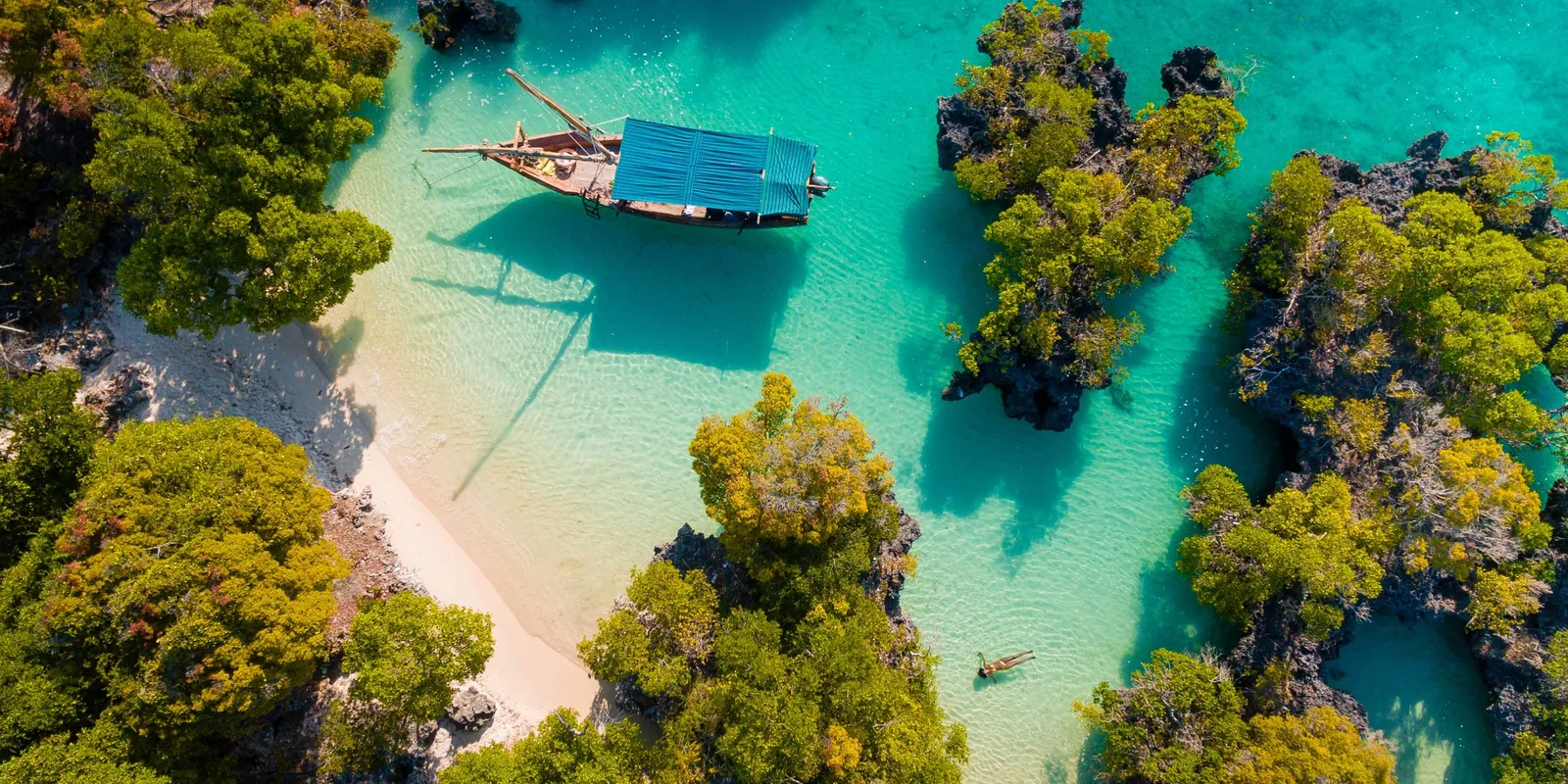

Zanzibar: Stone Town between spices and history
A crossroads of Arab, Indian, Persian and European merchants for centuries, Stone Town narrates through its narrow alleys a history intertwining the spice trade with one far darker: slavery.
The historic center, a UNESCO World Heritage site, is explored entirely on foot.
The Old Fort, Omani fortress built in the late seventeenth century on the remains of a former Portuguese church, today hosts an open-air amphitheater and local craft shops within its coral walls.
The Anglican Cathedral stands exactly on the site of Zanzibar's former slave market, closed in 1873, and preserves in the crypt below the original chains used to immobilize prisoners.
The Darajani market, commercial heart of the city, sells cloves, cinnamon and vanilla grown on the island, which earned Zanzibar the nickname 'Spice Island'.
The Forodhani Gardens, public gardens overlooking the sea, transform every evening into a street food market where fish, squid and the famous Zanzibar pizza are grilled.
The chains preserved beneath the Anglican Cathedral and the spices sold just steps away at the Darajani market tell together of an economy that for centuries mixed wealth and suffering on the same island.
The Forodhani Gardens, animated each evening by much lighter scents, perhaps offer the most honest way to close a day that has crossed through both these legacies.
Guided tours and experiences in Zanzibar City


Related articles


You might also like...
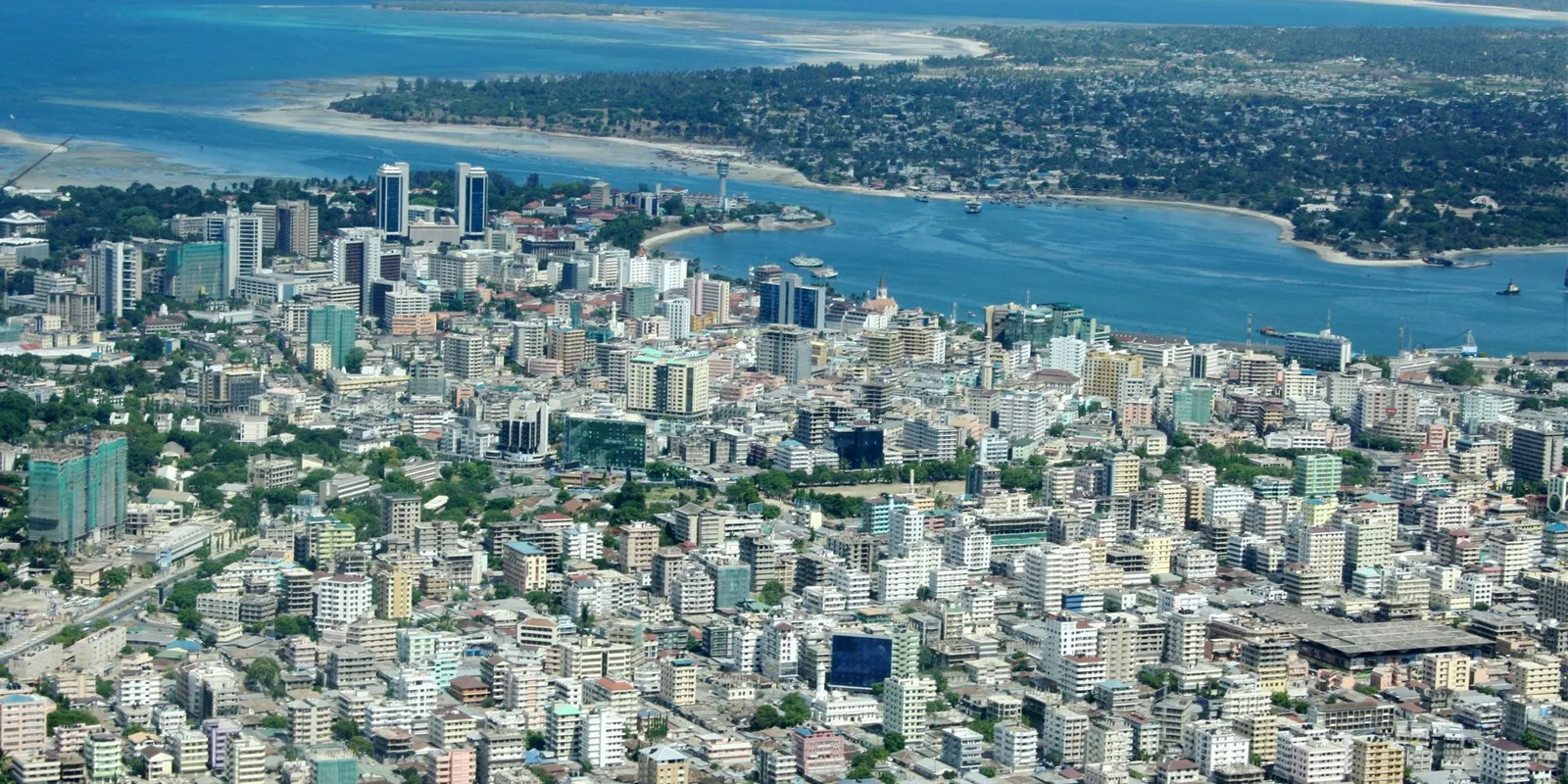
Dar es Salaam: the gateway to Zanzibar
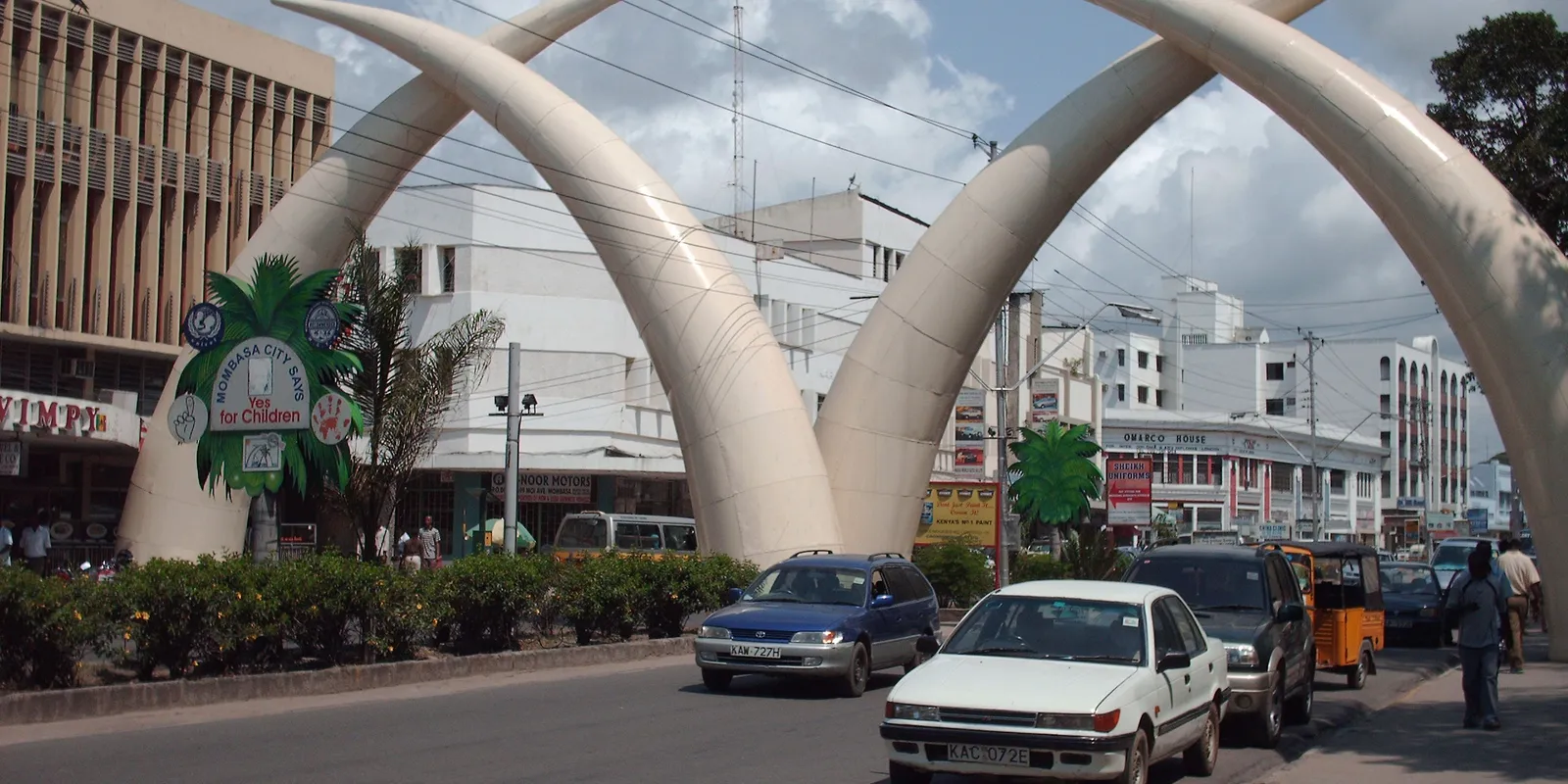
Mombasa: Fort Jesus and the Swahili town

Tianjin Airlines: The Chinese Airline With the Largest Embraer Fleet in Asia

How to prepare for a very early morning flight

Lugano Airport: where to stay, areas and recommended hotels