

Flagstaff: where Pluto was discovered
At the foot of the San Francisco Peaks in Arizona, Flagstaff remains the gateway to the Grand Canyon and the exact location where Pluto was discovered.
The center, not far from the observatory where Pluto was discovered, is visited comfortably on foot.
The Lowell Observatory, where astronomer Clyde Tombaugh discovered Pluto in 1930, remains an active observatory open to the public today.
A short walk away, the historic center of Route 66 preserves neon signs and historic buildings along the famous transcontinental American road traveled by generations of travelers.
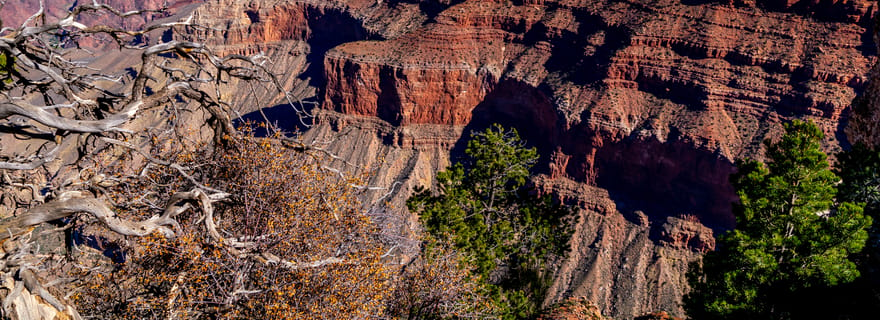
Heading north, you reach the Grand Canyon, just over an hour's drive away, among the most spectacular and deepest canyons on the planet.
In the evening, the historic district comes alive with craft breweries frequented by hikers returning from long mountain trails in the surrounding area.
The Lowell Observatory, founded in 1894 by astronomer Percival Lowell, remains one of the most important sites in American astronomical history thanks to the discovery of Pluto in 1930.
Flagstaff became the world's first city declared an 'International Dark Sky City' in 2001 for its low-impact lighting policies, designed specifically to protect nighttime astronomical observations from the local observatories.
Guided tours and experiences in Flagstaff
Related articles


You might also like...

Phoenix: desert, art and Camelback Mountain

Las Vegas: what to see in 1 day

How to prepare for airport security checks

Lubumbashi International Airport: where to stay, areas and recommended hotels

Kristiansand Airport: where to stay, areas and recommended hotels