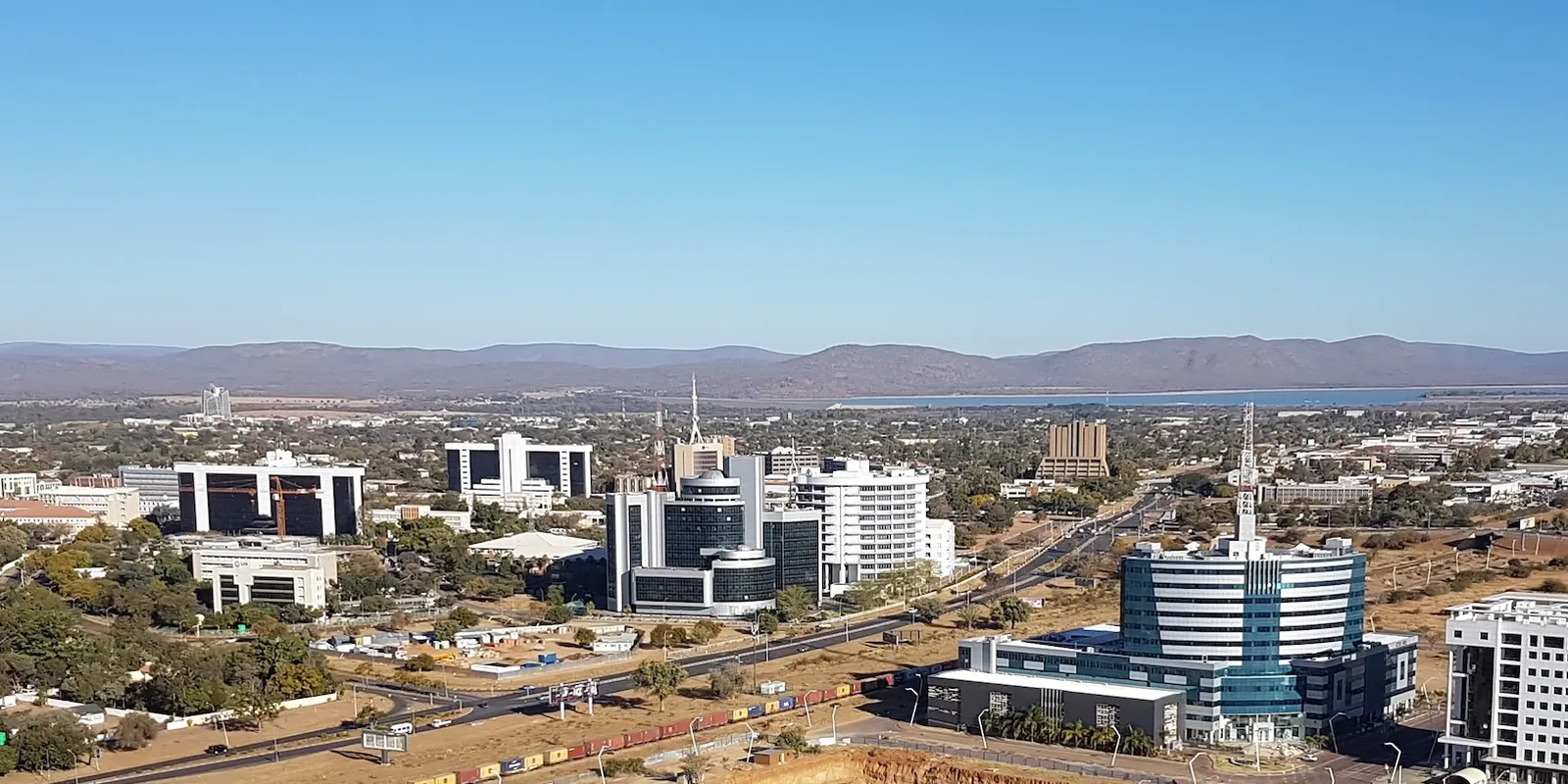

Gaborone in a few hours: nature and monuments
Gaborone is a young capital, grown from little more than a village to a city after Botswana's independence in 1966, and this shows in a compact, orderly centre with little monumental pretension.
Its strongest attraction, however, is just a few steps from the centre: a proper nature reserve within the city's boundaries.
At the Gaborone Game Reserve, one can spot giraffes, zebras, and antelopes a few minutes by car from the skyscrapers of the financial quarter: a contrast that few capitals in the world can offer with such immediacy.
The Three Dikgosi Monument, in downtown, celebrates three Tswana chiefs who in the nineteenth century negotiated British protection of the territory in London, a key episode for understanding the origins of the modern state.
The National Museum and Art Gallery collects ethnographic artifacts, specimens of local fauna, and a section dedicated to contemporary Botswana art, useful for putting in order what you've seen elsewhere in the city.
From Kgale Hill, just to the south, a brief hiking trail leads to a panoramic point from which all of Gaborone unfolds toward the dam bearing the same name as the hill.
Gaborone doesn't seek to hold the visitor, and perhaps that's precisely its most subtle virtue: no attraction insists on being seen twice, no itinerary stretches beyond the necessary.
A few hours of walking between Three Dikgosi Monument and Kgale Hill are enough to have already seen the city twice: once from below, once from above.
Related articles

You might also like...
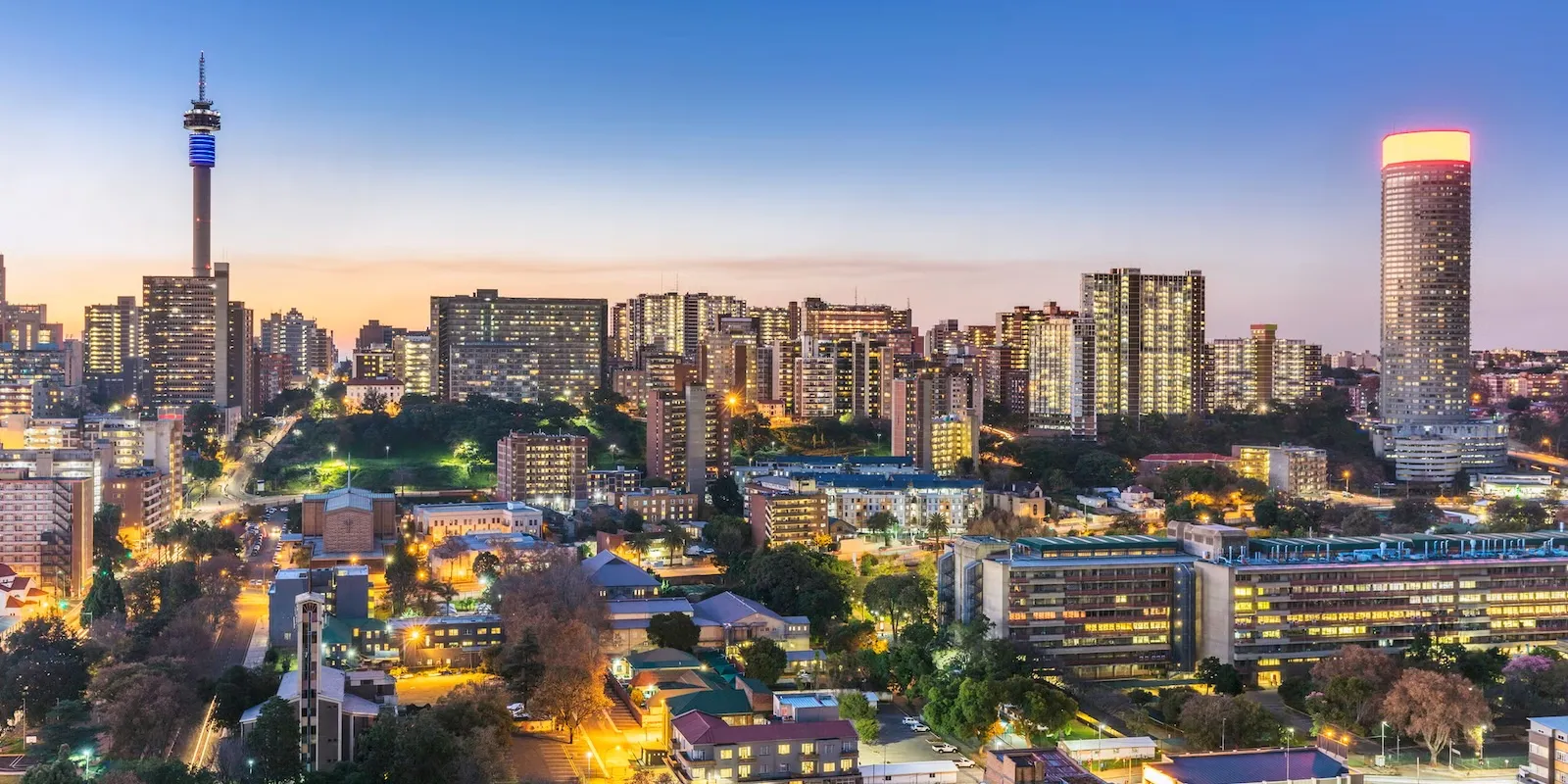
Johannesburg between apartheid and rebirth
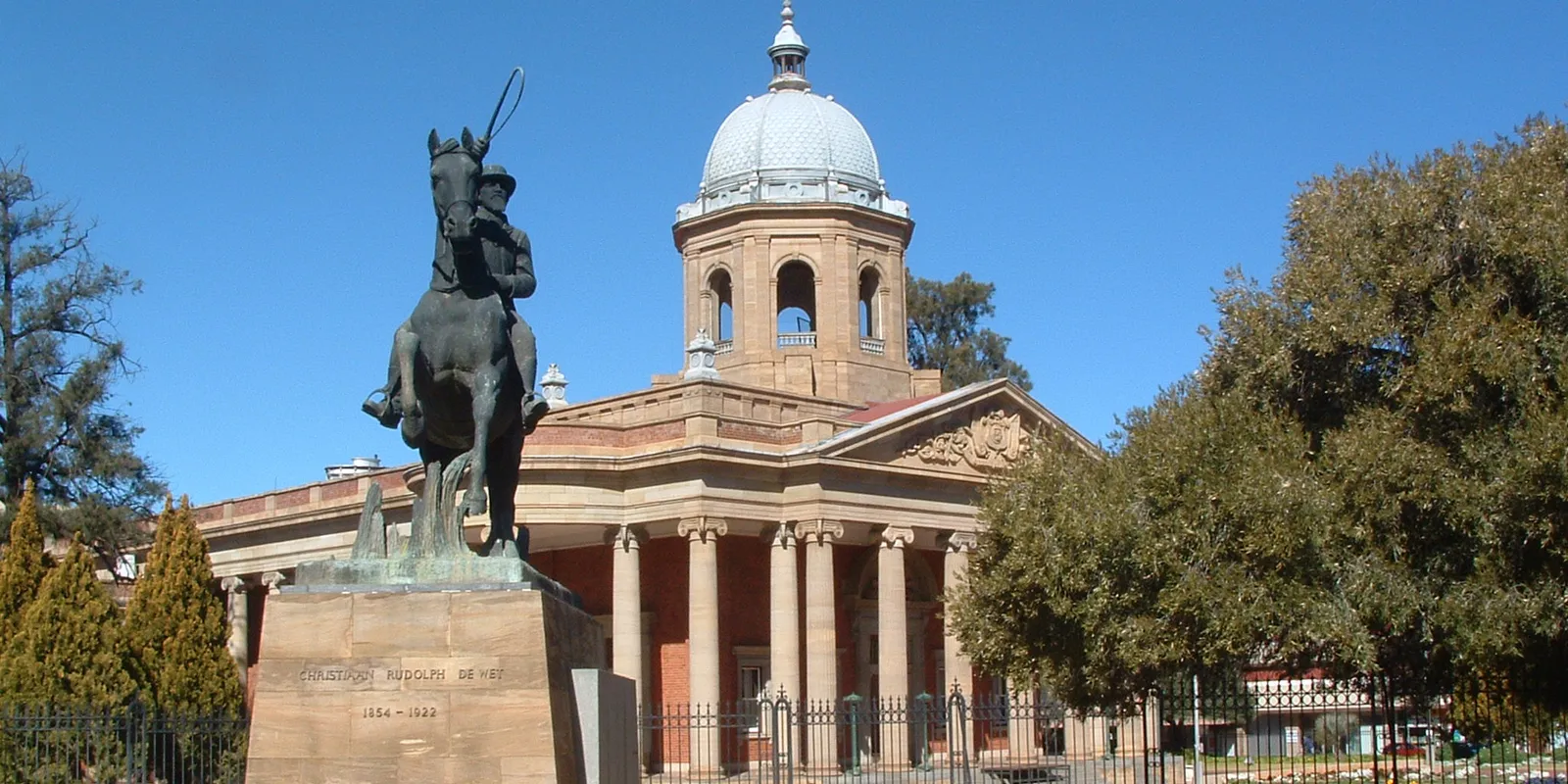
Bloemfontein: the judicial capital among the roses

Mostar International Airport: where to stay, areas and recommended hotels

Lounges at Sabiha Gökçen: which one to choose in Istanbul

Las Vegas: the right lounges by card and concourse
