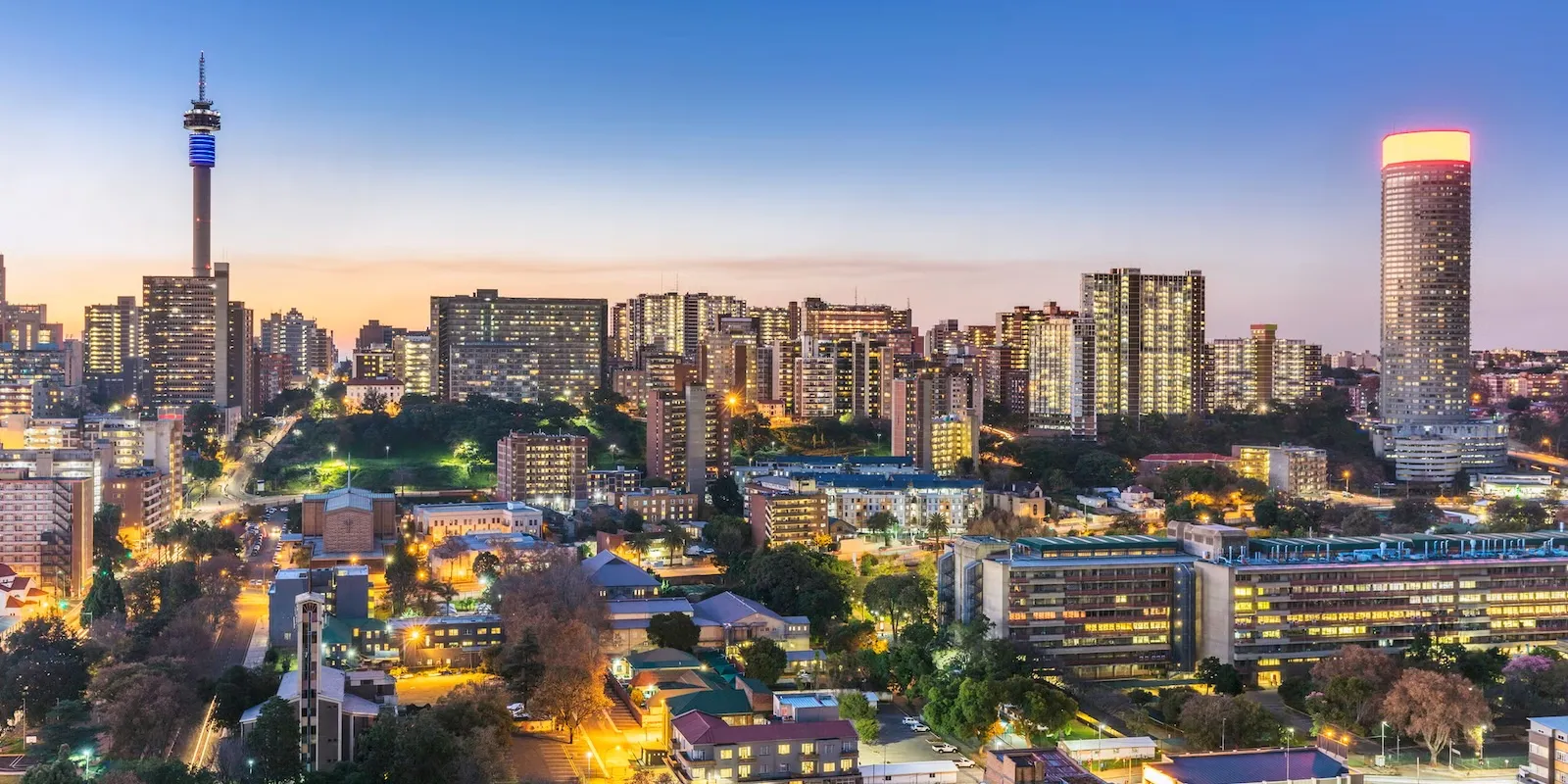

Johannesburg between apartheid and rebirth
Born in 1886 around the Witwatersrand gold deposits, Johannesburg still bears the marks of apartheid in its streets and, alongside them, South Africa's most concrete attempts to reckon with that history openly.
A driver or organized tour remains the most practical way to connect distant neighborhoods, each with very different stories to tell.
The Apartheid Museum, at its entrance visitors are divided by 'race' as actually happened at the time, reconstructs with photographs, films, and original objects nearly half a century of legal segregation.
Constitution Hill, a former prison where both Gandhi and Mandela were detained in different eras, today houses South Africa's Constitutional Court, deliberately built on the foundations of the old cells.
At Vilakazi Street, in the Soweto neighborhood, the houses of Nelson Mandela and Desmond Tutu stand a few hundred meters apart, the only street in the world to have hosted two Nobel Peace Prize winners.
The Maboneng Precinct, an industrial district reconverted starting in 2009, brings together art galleries, design markets, and murals in an area that until a few years ago was considered off-limits to visitors.
The very cell that once held Mandela now sits beneath the foundations of the Court that defends the continent's most progressive constitution: few places in the world make such a reversal so visible.
Maboneng, lighter in tone, simply shows that the reversal continues today, one industrial building at a time.
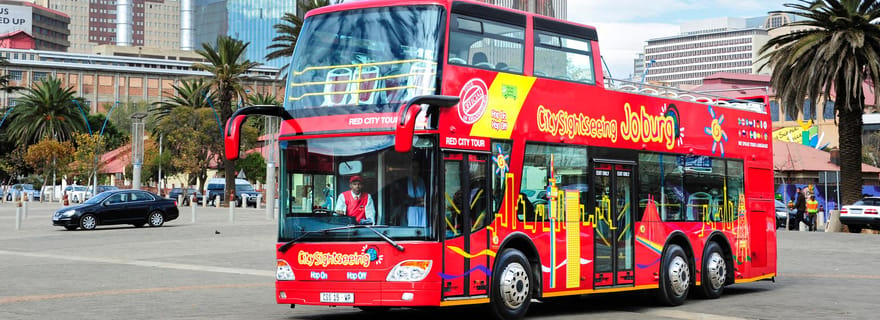
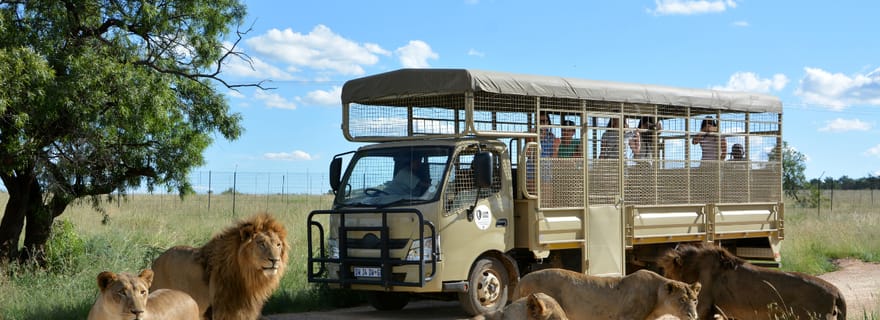
Guided tours and experiences in Johannesburg

Related articles

You might also like...
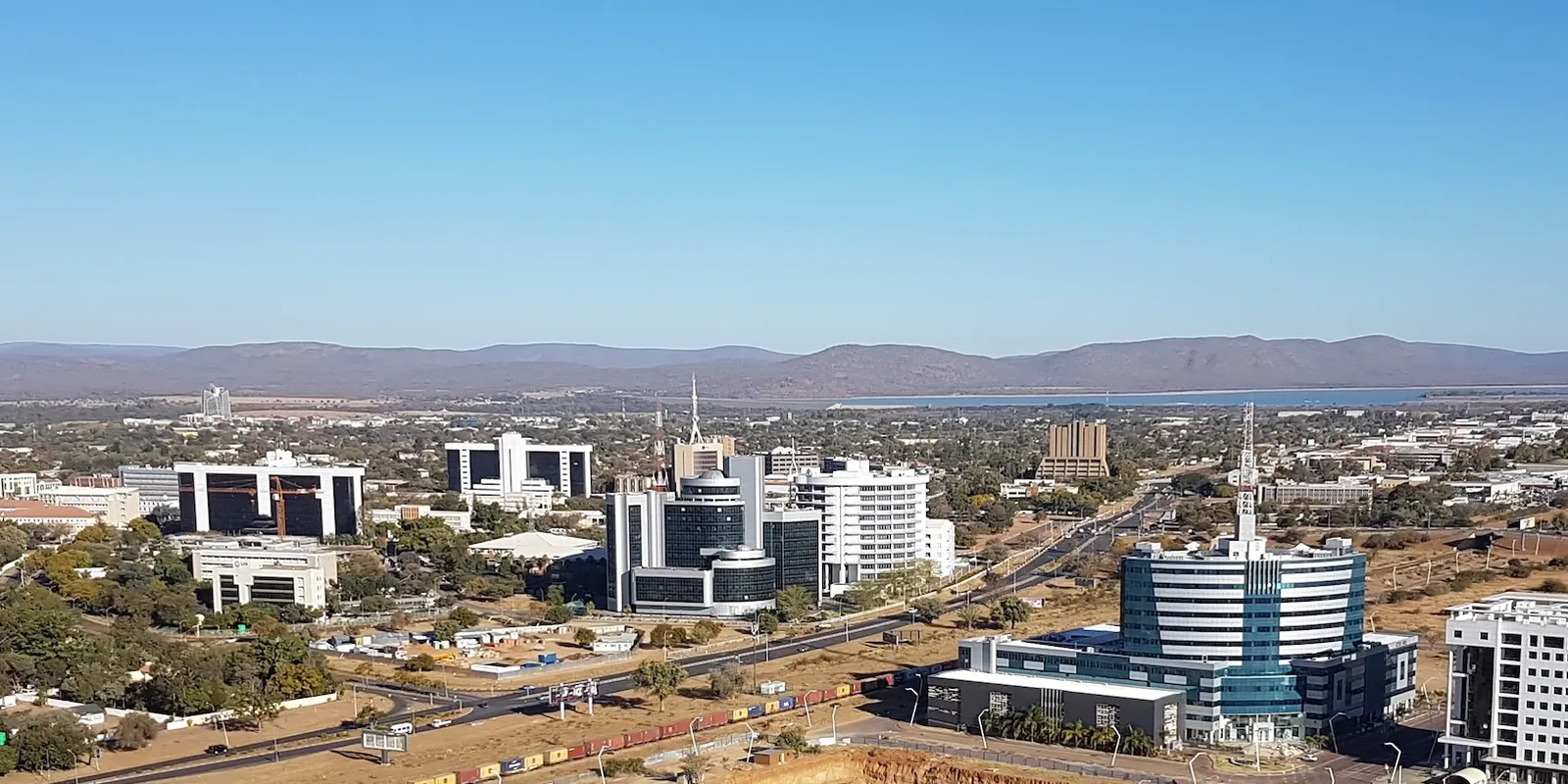
Gaborone in a few hours: nature and monuments
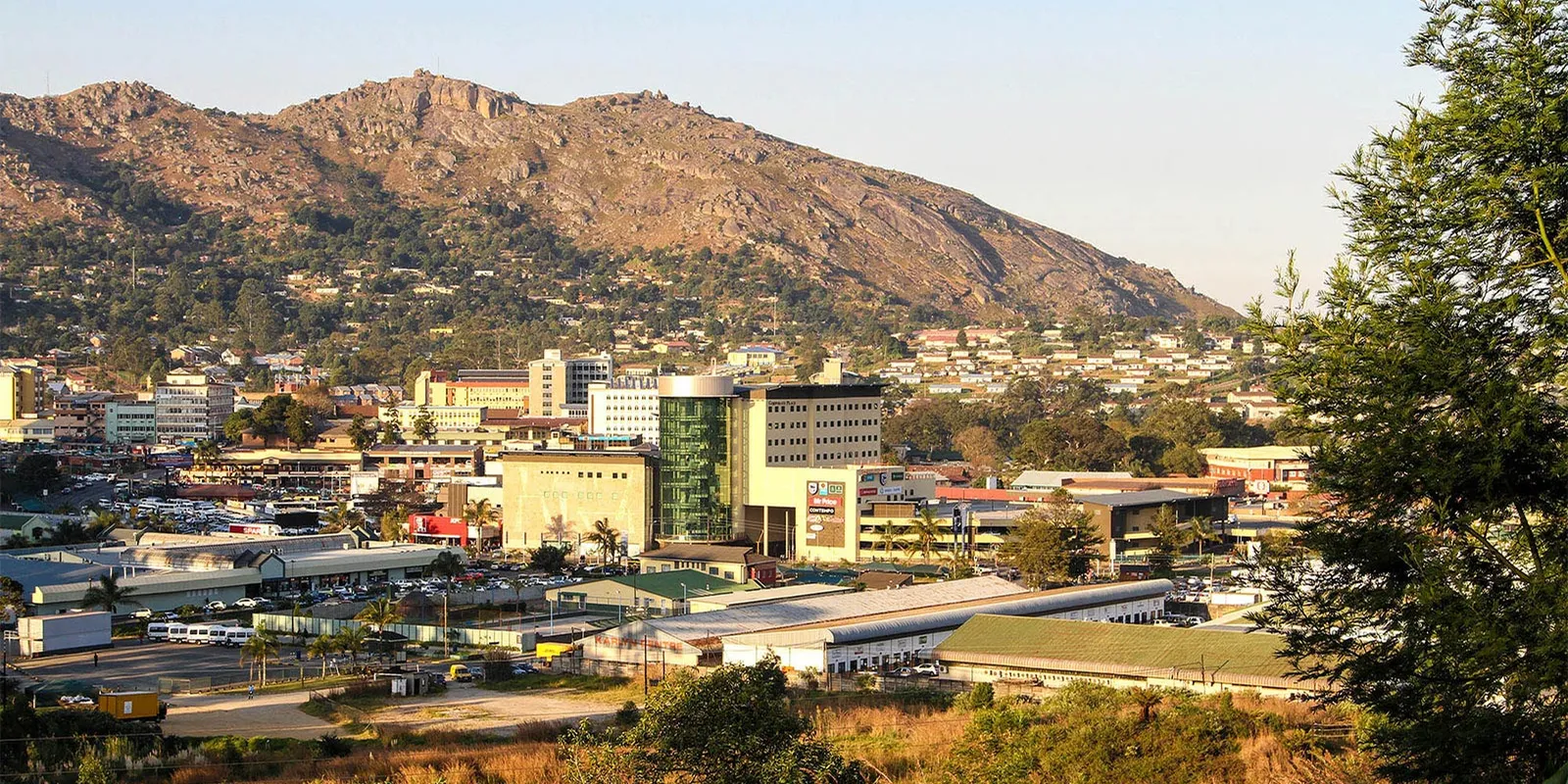
Manzini: the commercial heart of Africa's last absolute monarchy

Lampedusa Airport: where to stay, areas and recommended hotels

Flying With Air Canada: Punctuality, Fleet and What Passengers Really Say

Alcantarí International Airport: where to stay, areas and recommended hotels