
Gdańsk: where the fall of communism began
In the Gdańsk shipyard in 1980, strikes led by Lech Wałęsa gave birth to Solidarity, the first free trade union of the Soviet bloc.
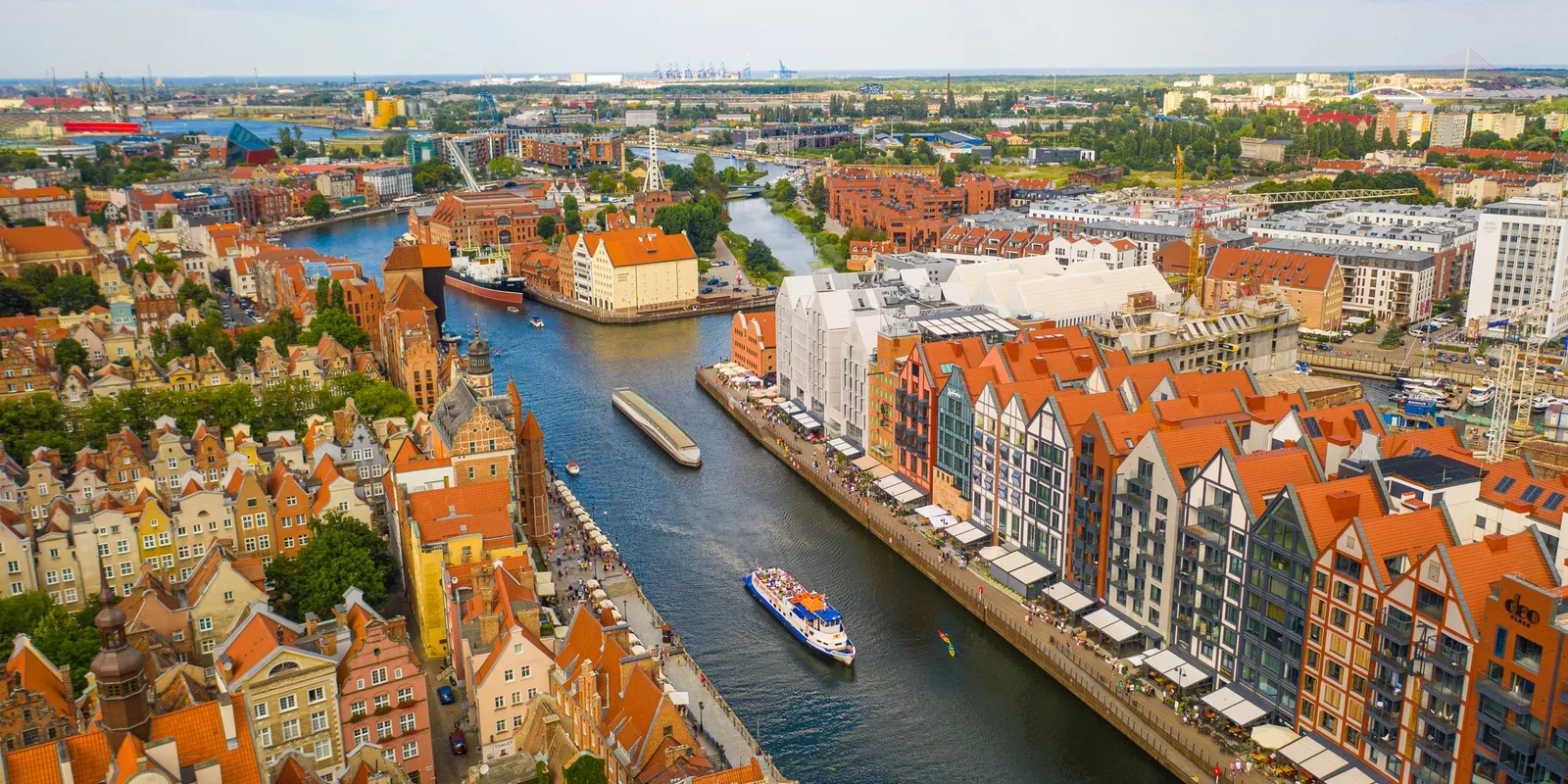
The centre, where the Solidarity movement began that led to the fall of communism, is easily explored on foot.
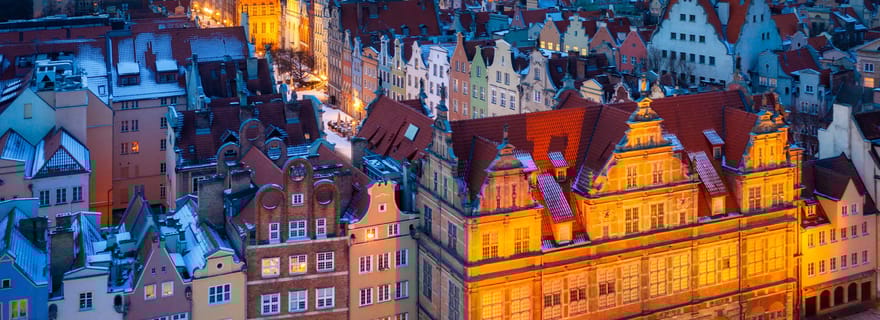
The Long Market Street, main artery of the old city, aligns Hanseatic houses rebuilt after the almost total destruction of war, with colorful facades and golden decorations.
Just steps away, the Neptune Fountain, a symbol of the city since the seventeenth century, stands right in front of the historic town hall.
The European Solidarity Center, a building with rusty metal sheets reminiscent of a ship's hull, tells the story of the union movement that contributed to the fall of communism.
Toward evening, the Great Crane medieval on the Motlawa River, the oldest existing port crane in Europe, closes the day on the rebuilt riverfront.
Over ninety percent of Gdańsk's historic center was destroyed during World War II: the meticulous postwar reconstruction restored the Hanseatic appearance of the city brick by brick.
The Solidarity movement, born in the same shipyards now partially converted into a museum, contributed decisively to the events that led to the collapse of Eastern European communist regimes in 1989.
Guided tours and experiences in Gdańsk

Related articles

You might also like...
Kaliningrad: Russian Prussia on the Baltic
Bydgoszcz: the Venice of Poland on the Bromberg Canal

Angers-Loire Airport: where to stay, areas and recommended hotels

Banjul International Airport: where to stay, areas and recommended hotels

The complete guide to departing from the airport