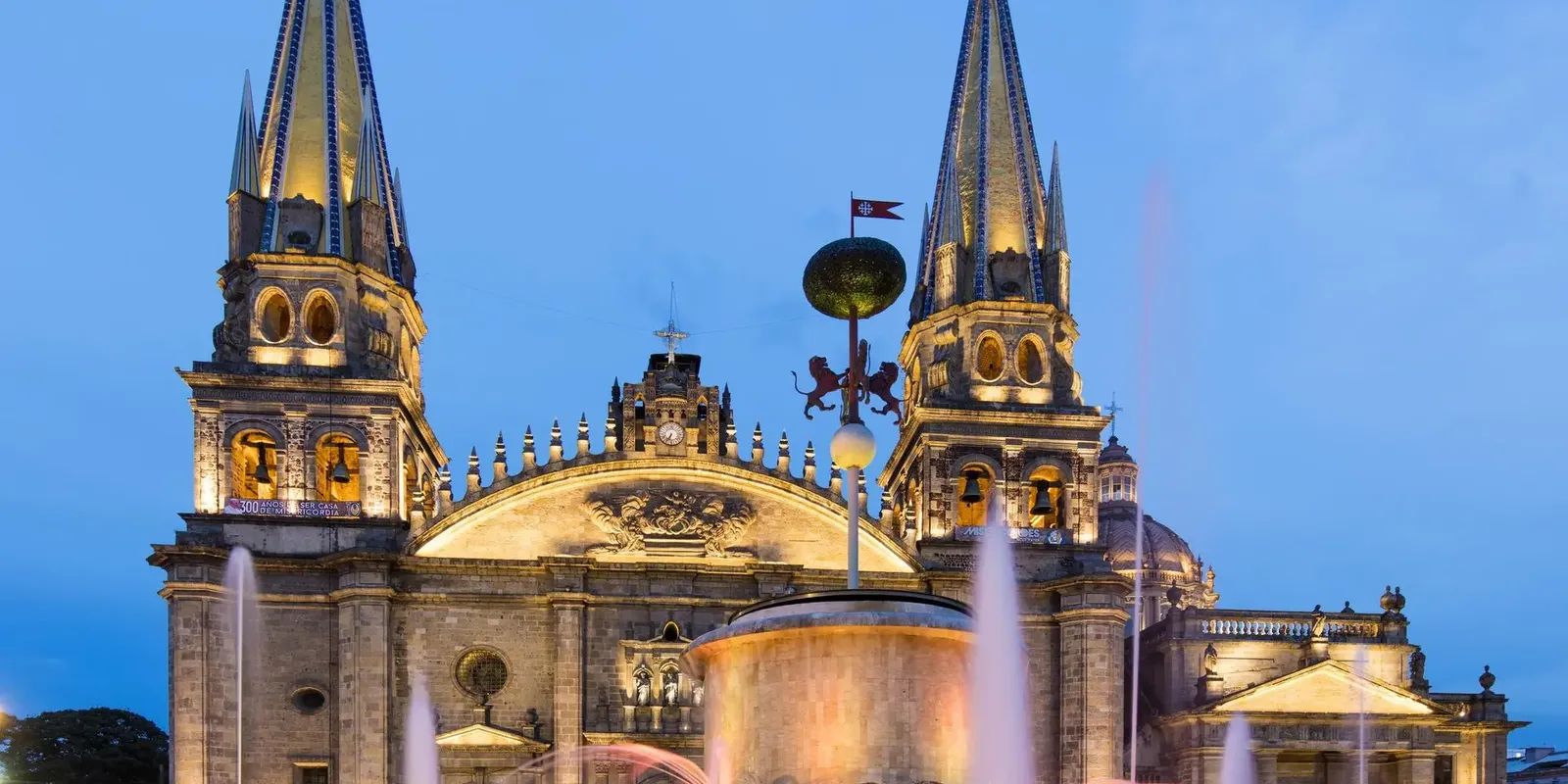

Guadalajara: mariachi and Hospicio Cabañas
Second city of Mexico and birthplace of mariachi and ranchero music, Guadalajara preserves in its historic center one of the masterpieces of twentieth-century Mexican muralism.
The center and Tlaquepaque are conveniently connected by taxi or light rail.
The Hospicio Cabañas, a former orphanage and UNESCO World Heritage site, houses under the dome of the main chapel the fresco 'The Man of Fire' by José Clemente Orozco, considered among his absolute masterpieces.
The Cathedral of Guadalajara, with its yellow spires that have become a city symbol, faces the Plaza de Armas together with the Government Palace, where another Orozco mural depicts Miguel Hidalgo with the torch of independence.
The Plaza de los Mariachis, not far from the historic center, brings together every evening groups of musicians in charro attire ready to play on request for patrons seated at surrounding tables.
The Tlaquepaque neighborhood, once a separate municipality now incorporated into the metropolitan area, preserves colonial houses transformed into galleries of ceramics and blown glass from the Jalisco artisanal tradition.
Orozco's Man of Fire and the mariachis in charro suits belong to two completely different artistic languages, yet both were born as expressions of the same Mexican identity claimed by Guadalajara.
Tlaquepaque, with its hand-painted ceramics, adds a third voice to this story: that of craftsmanship that continues to work away from the spotlight of museums.
Guided tours and experiences in Guadalajara

Related articles

You might also like...
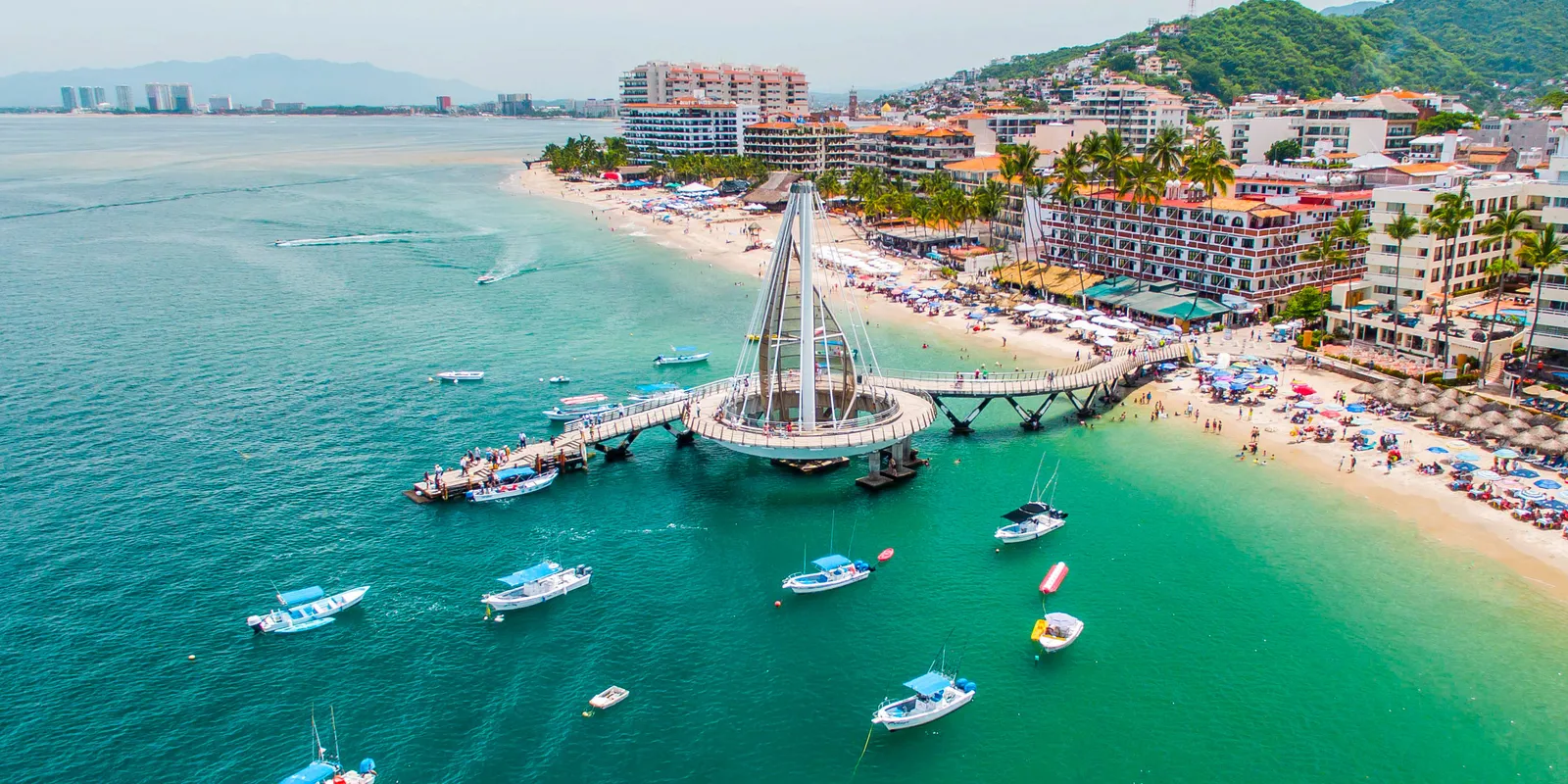
Puerto Vallarta: where the Pacific meets the Sierra Madre
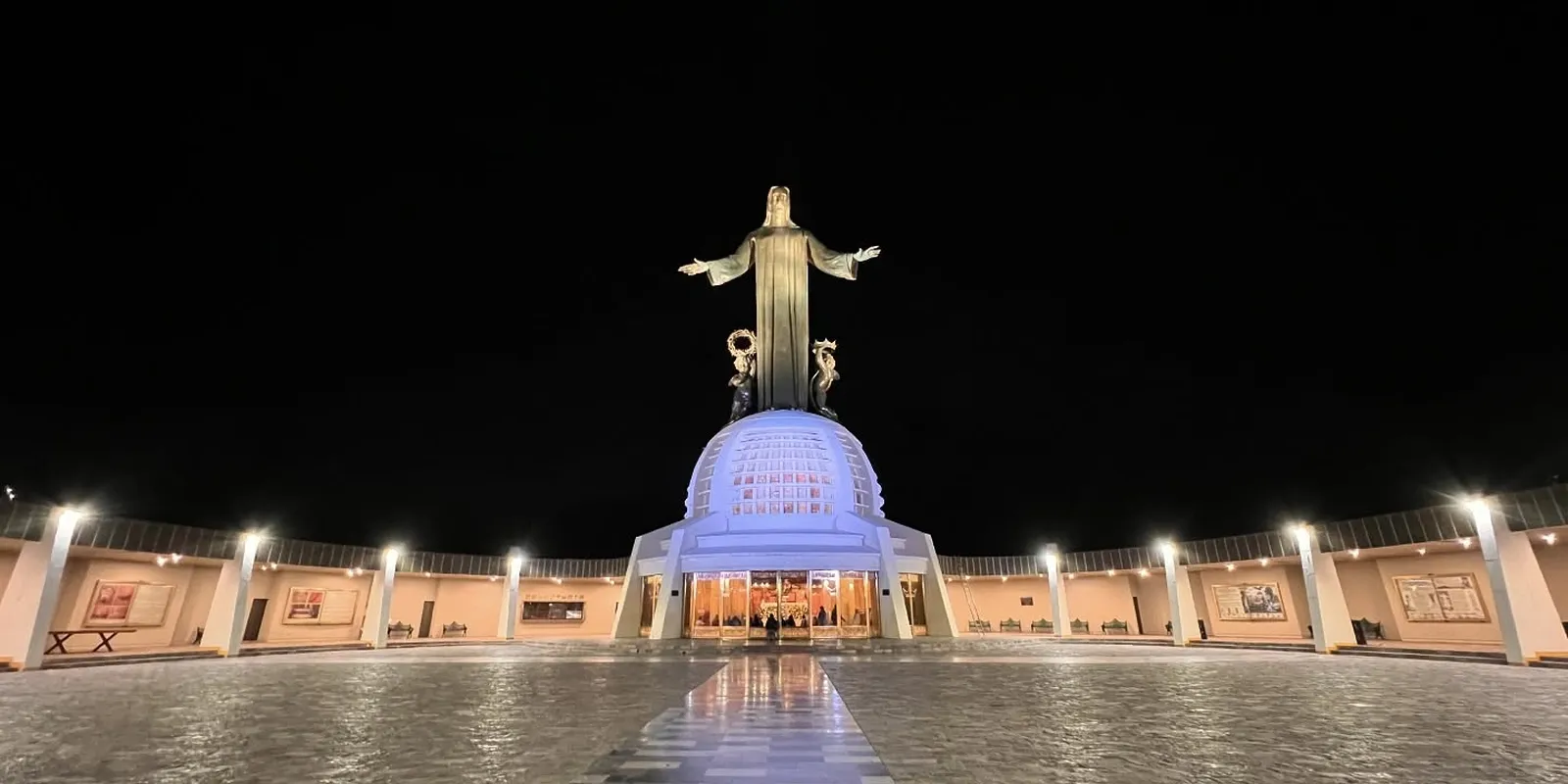
Silao: the giant Christ of Cubilete

How to use your smartphone efficiently at the airport

Orlando airport lounges: choosing between Terminal A, B and C

Perpignan-Rivesaltes (Llabanère) Airport: where to stay, areas and recommended hotels