
Islamabad: the mosque shaped like a tent
Built from scratch in the 1960s as Pakistan's new capital, Islamabad is home to one of the world's largest mosques, its form inspired by a Bedouin tent.
The grid-planned centre is easily explored by car or taxi.
The Faisal Mosque, completed in 1986 to a Turkish architect's design, abandons the traditional Islamic dome for a triangular form resembling a Bedouin tent.
At the foot of the Margalla Hills, Hiking Trails offer trekking routes with views of the entire planned city below, popular among residents on weekends.
Moving forward, the Lok Virsa Museum is dedicated to the cultural heritage and traditional crafts of diverse regions across Pakistan.
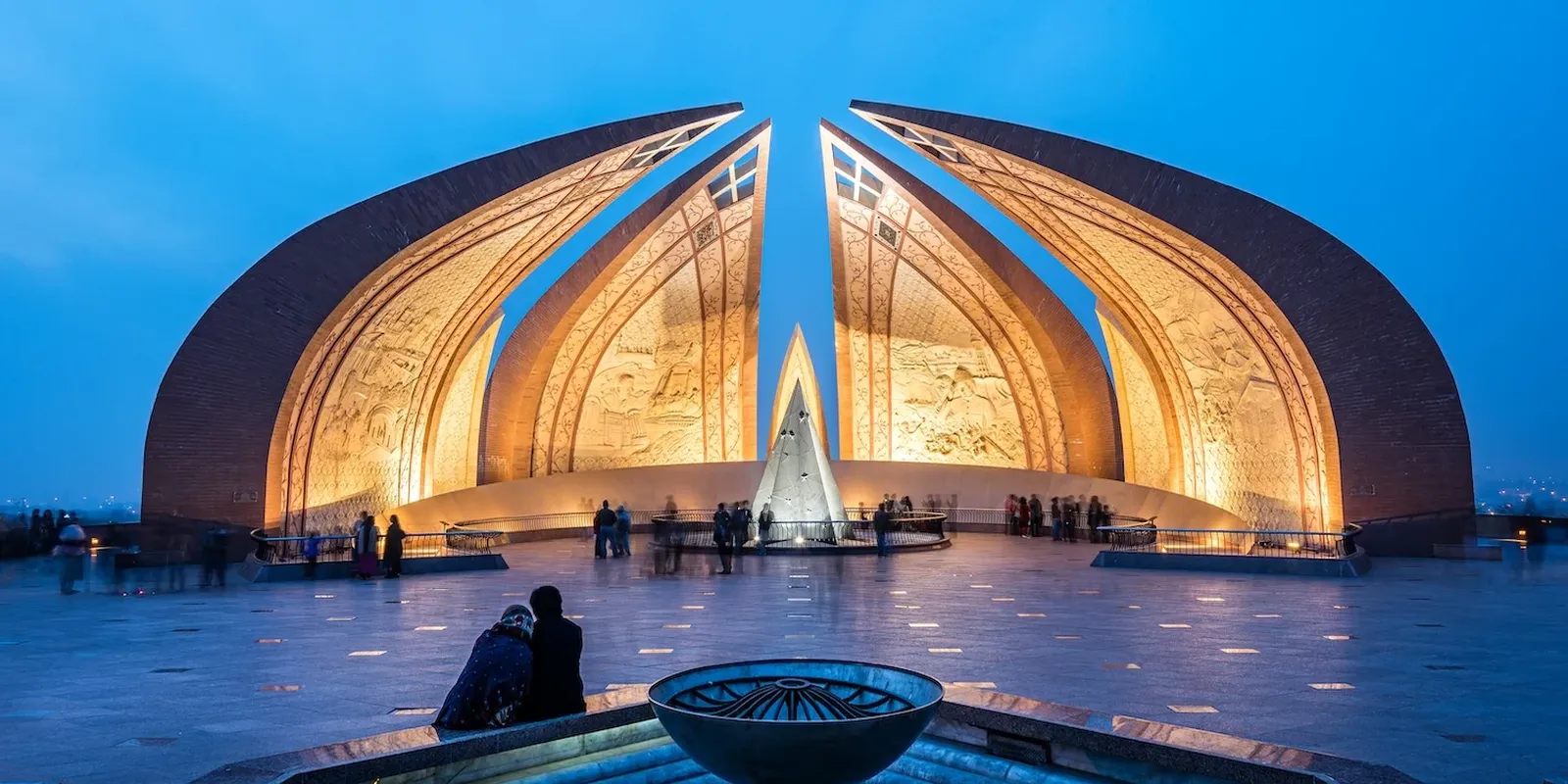
As evening falls, the Pakistan Monument Center, a flower-shaped structure symbolizing national unity, illuminates the hill that overlooks the city.
The Faisal Mosque can accommodate up to one hundred thousand worshippers across interior halls and exterior courtyards, making it one of the world's largest mosques for many years.
Islamabad was designed from scratch by a Greek architect in the 1960s to replace Karachi as capital, with a grid of numbered sectors that makes the city unusually orderly compared to other capitals in the region.
Related articles

You might also like...
Sialkot: where World Cup footballs are born
Lahore: the cultural heart of Mughal Pakistan

Strikes and delays: the latest news from the world of flying
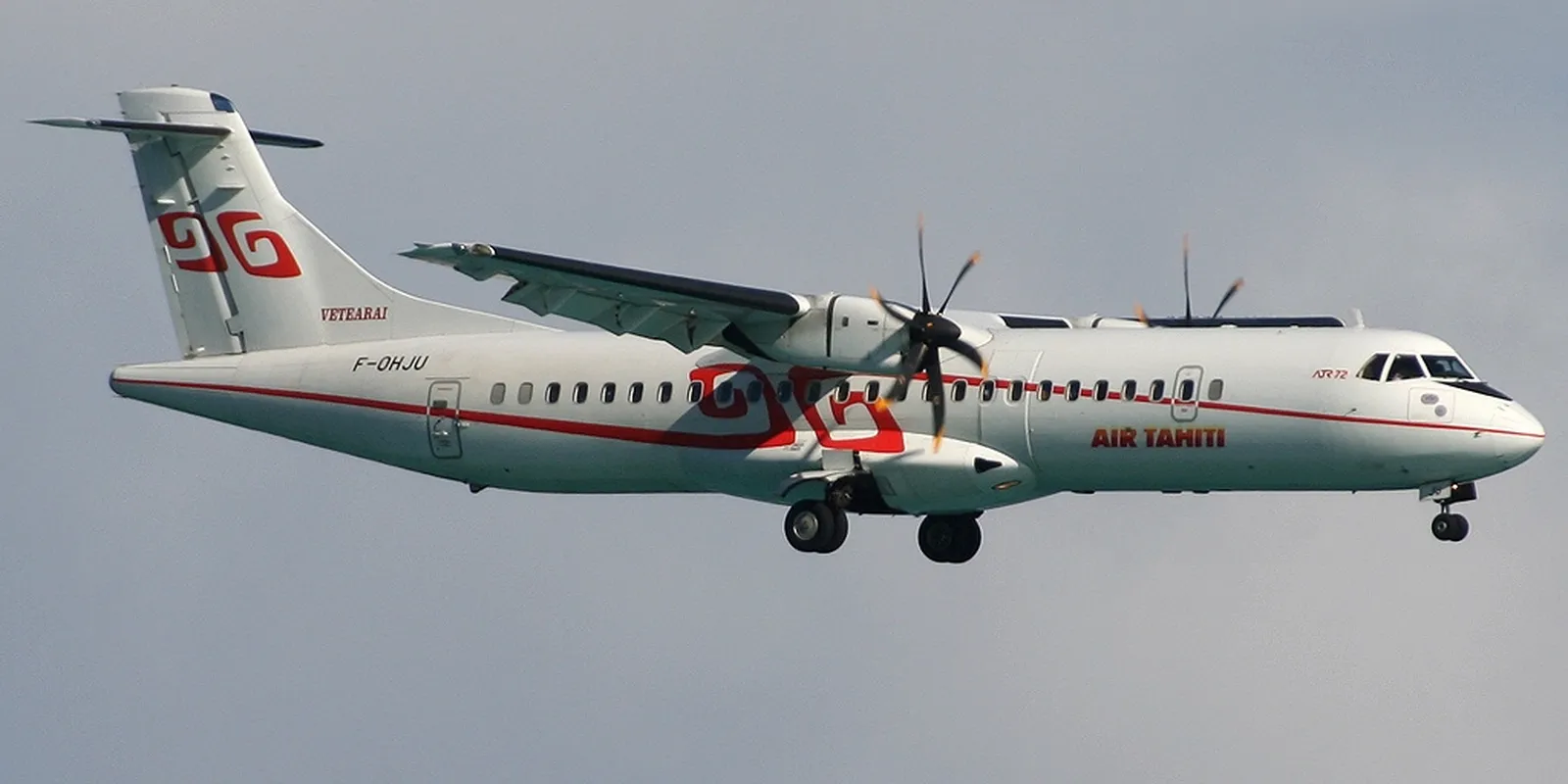
Air Tahiti: A Guide to Flights Between the Islands of French Polynesia

Turku Airport: where to stay, areas and recommended hotels
