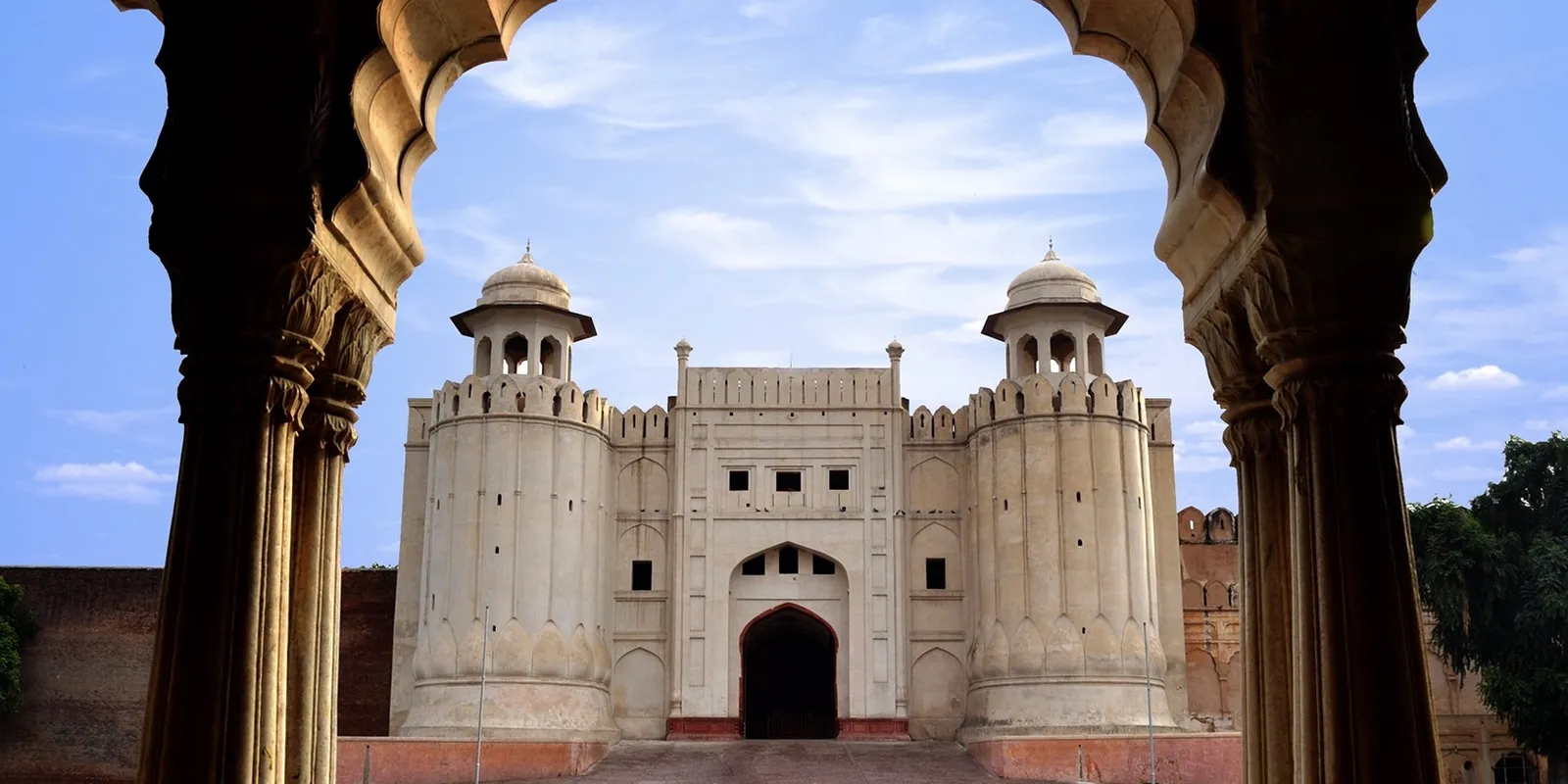

Lahore: the cultural heart of Mughal Pakistan
Cultural capital of Pakistan, Lahore preserves one of the best-preserved Mughal forts and a mosque that was for centuries among the world's largest.
The center, cultural heart of Mughal Pakistan, is comfortably explored by taxi or auto-rickshaw.
The Fort of Lahore, a UNESCO heritage site built and expanded by various Mughal emperors, houses the celebrated Sheesh Mahal, a hall of mirrors decorated with thousands of glass fragments.
A short walk away, the Badshahi Mosque, completed in 1673, was for over three hundred years the world's largest mosque, capable of accommodating one hundred thousand worshippers.
Continuing on, you visit the Shalimar Gardens, a complex of Mughal terraces and fountains from the seventeenth century, designed according to the tradition of paradisiacal Persian gardens.
Toward evening, the Wagah Border ceremony with India, just outside the city, draws crowds of spectators for the theatrical military closing march of the border.
The Sheesh Mahal of Lahore Fort was designed so that a single lit candle would multiply into thousands of reflections through mirror fragments embedded in the ceiling and walls.
The Badshahi Mosque held the title of the world's largest mosque from the seventeenth century until the twentieth, when it was surpassed by mosques built in Saudi Arabia.
Related articles

You might also like...
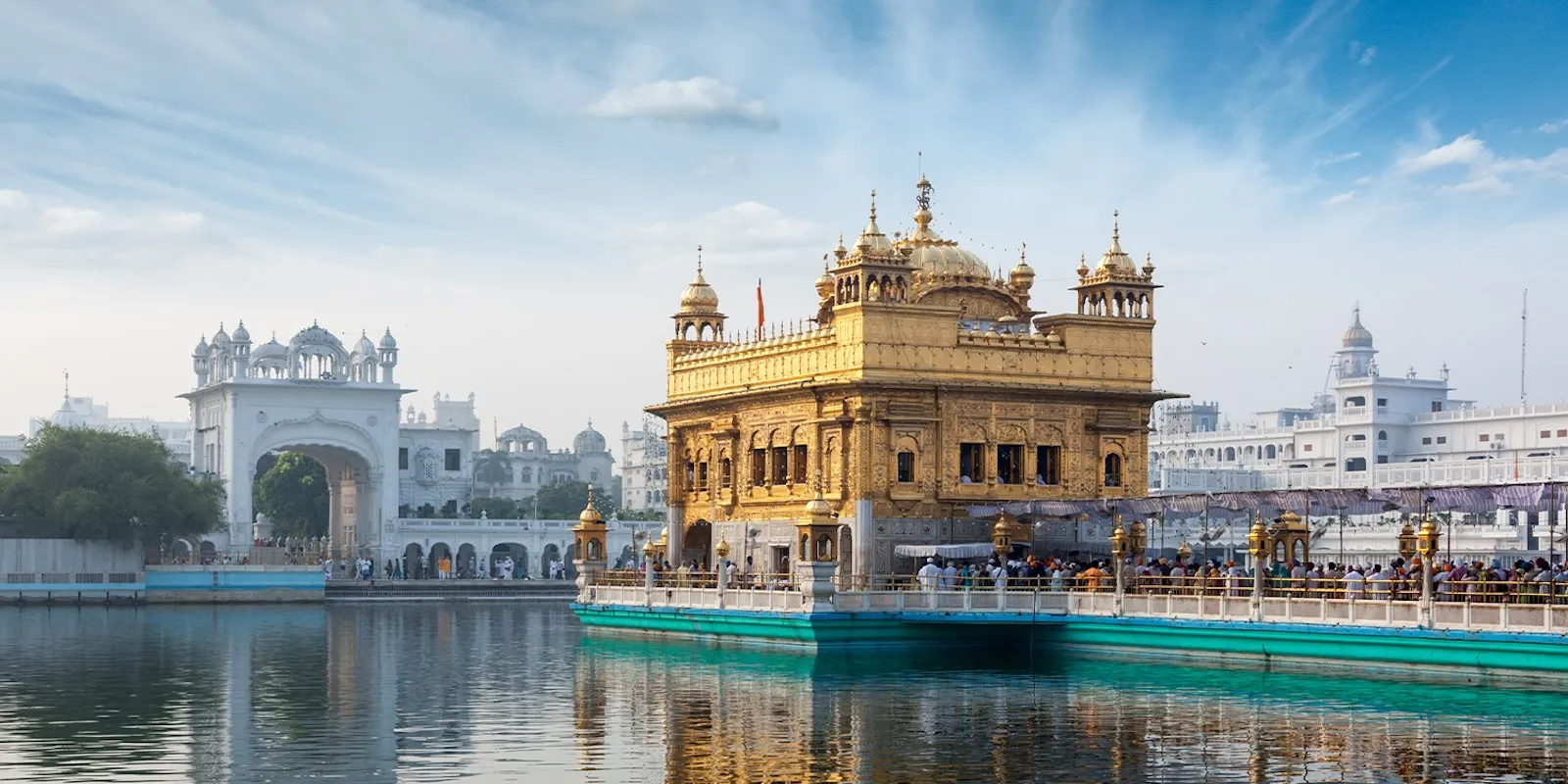
Amritsar: the Sikh golden temple
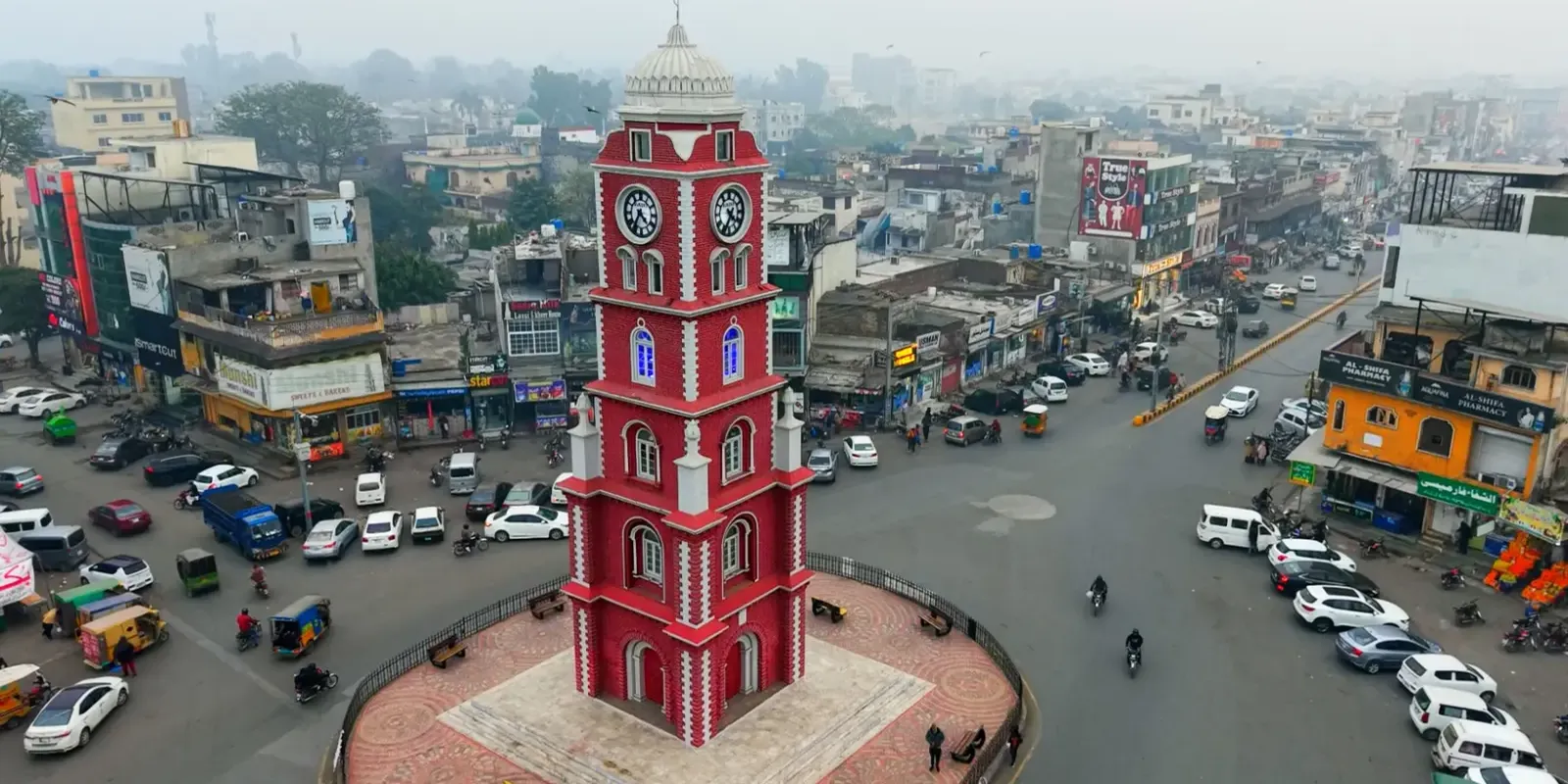
Sialkot: where World Cup footballs are born

Chania International Airport: where to stay, areas and recommended hotels

Varna Airport: where to stay, areas and recommended hotels
Plus Ultra Líneas Aéreas: The Small Airline at the Center of Spain's Public Bailout Case