İzmir: the Greek Smyrna that became Turkish
Traditionally considered the birthplace of Homer, Izmir was for centuries one of the Mediterranean's most cosmopolitan cities under the Greek name Smyrna.
The center of ancient Smyrna is comfortably explored on foot along the waterfront.
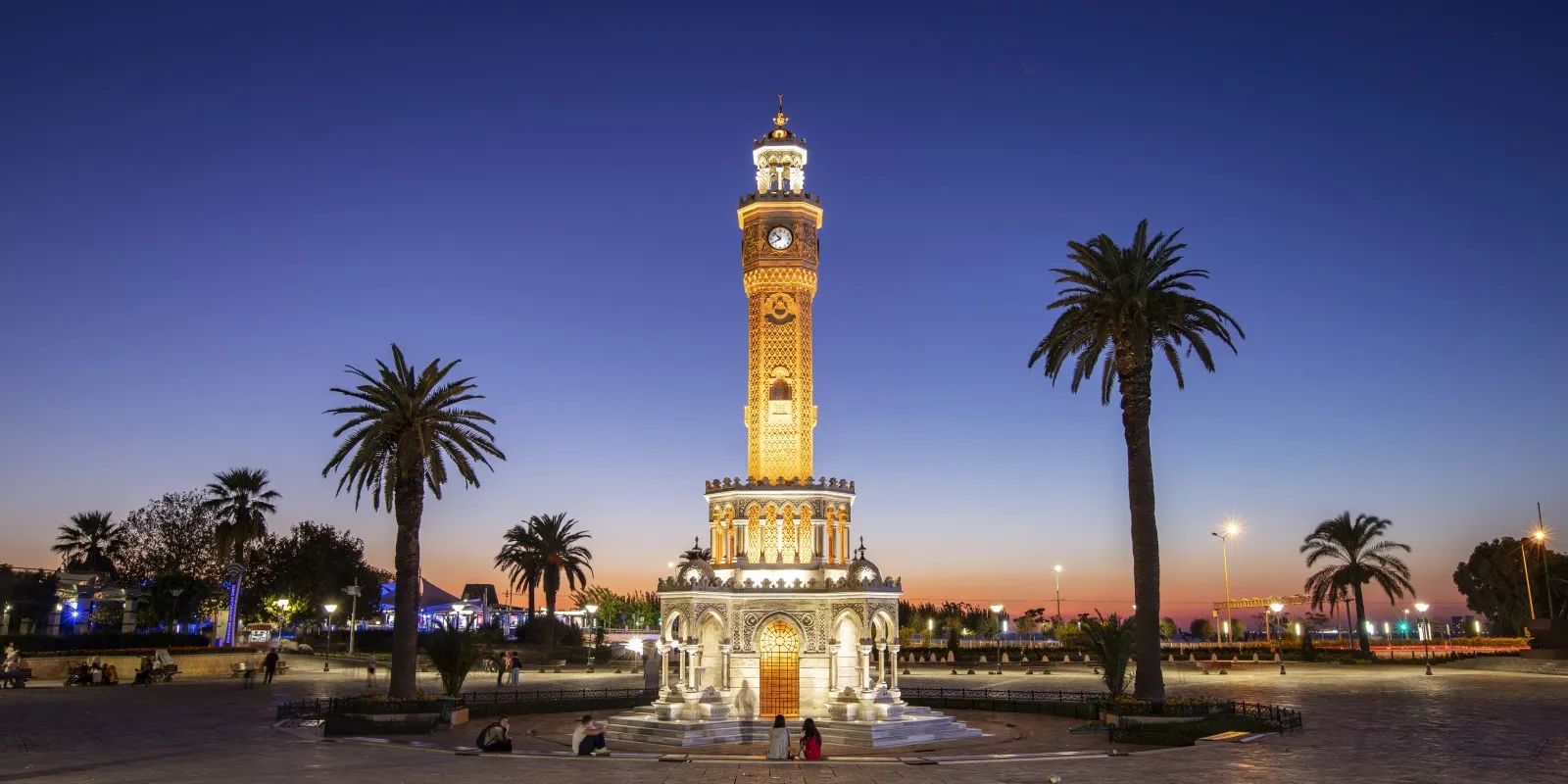
The Ascensor de Konak and the nearby clock tower, a gift from German Emperor William II in 1901, remain the most photographed symbols of the waterfront.
A short walk away, the ancient Agora, a Roman forum rebuilt after an earthquake in the second century, still preserves original columns and arcades in the heart of the modern city, surrounded by contemporary buildings.
Continuing on, you visit Kadifekale, a Hellenistic fortress on a hill that dominates the entire bay of İzmir with views of the Aegean Sea.
Toward evening, the Kemeraltı Bazaar, a historic Ottoman market still active, sells spices, textiles and antiques among covered alleys for centuries.
İzmir, known as Smyrna until the early twentieth century, was for centuries one of the Mediterranean's most cosmopolitan cities, with Greek, Armenian, Jewish, and Levantine communities coexisting in the same commercial port.
The Konak clock tower, a diplomatic gift from the German emperor to the Ottoman sultan, remains a rare example of a European monument donated to a non-European capital during the imperial era.
Guided tours and experiences in İzmir

Related articles

You might also like...
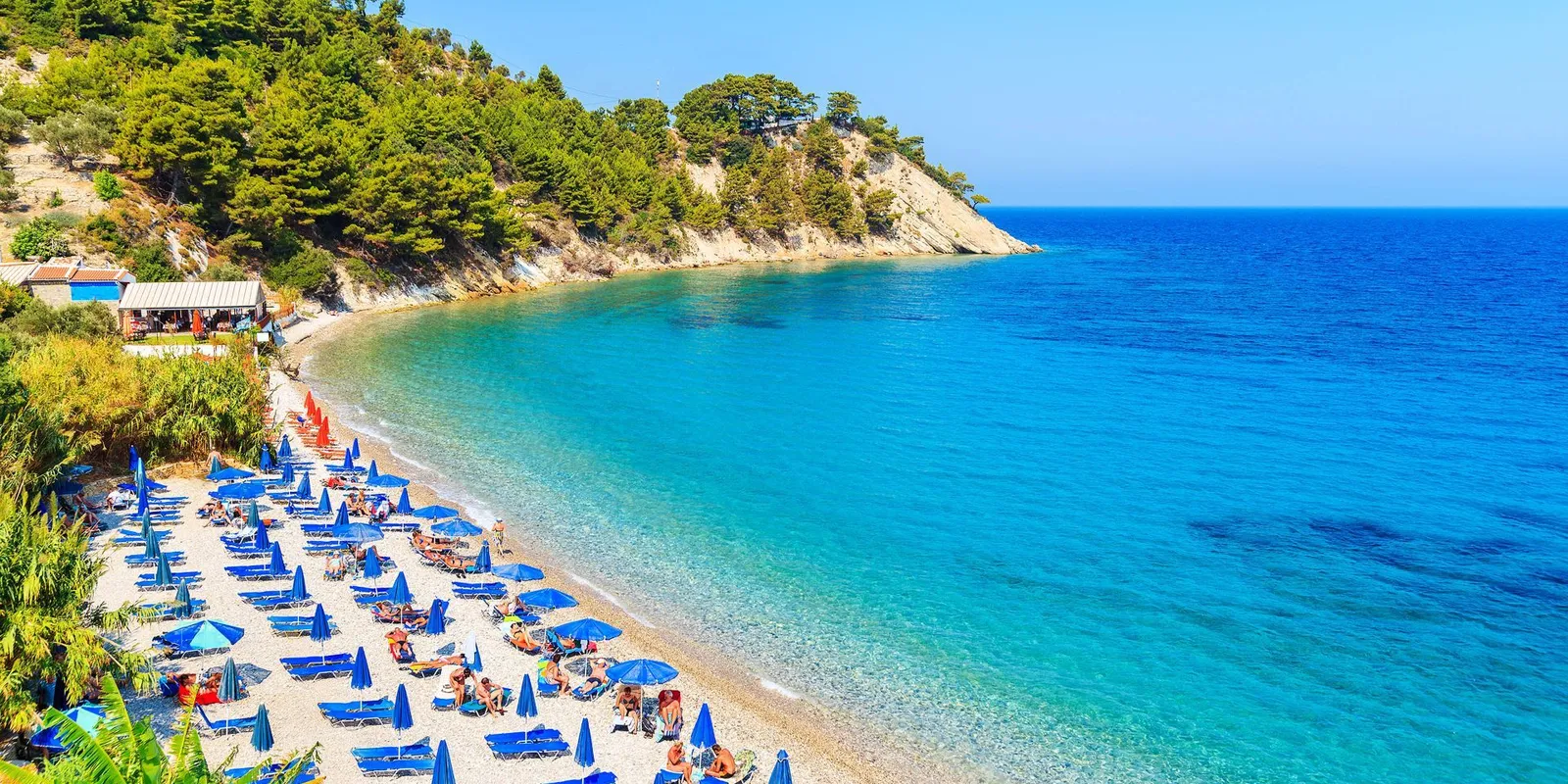
Samos: the birthplace of Pythagoras
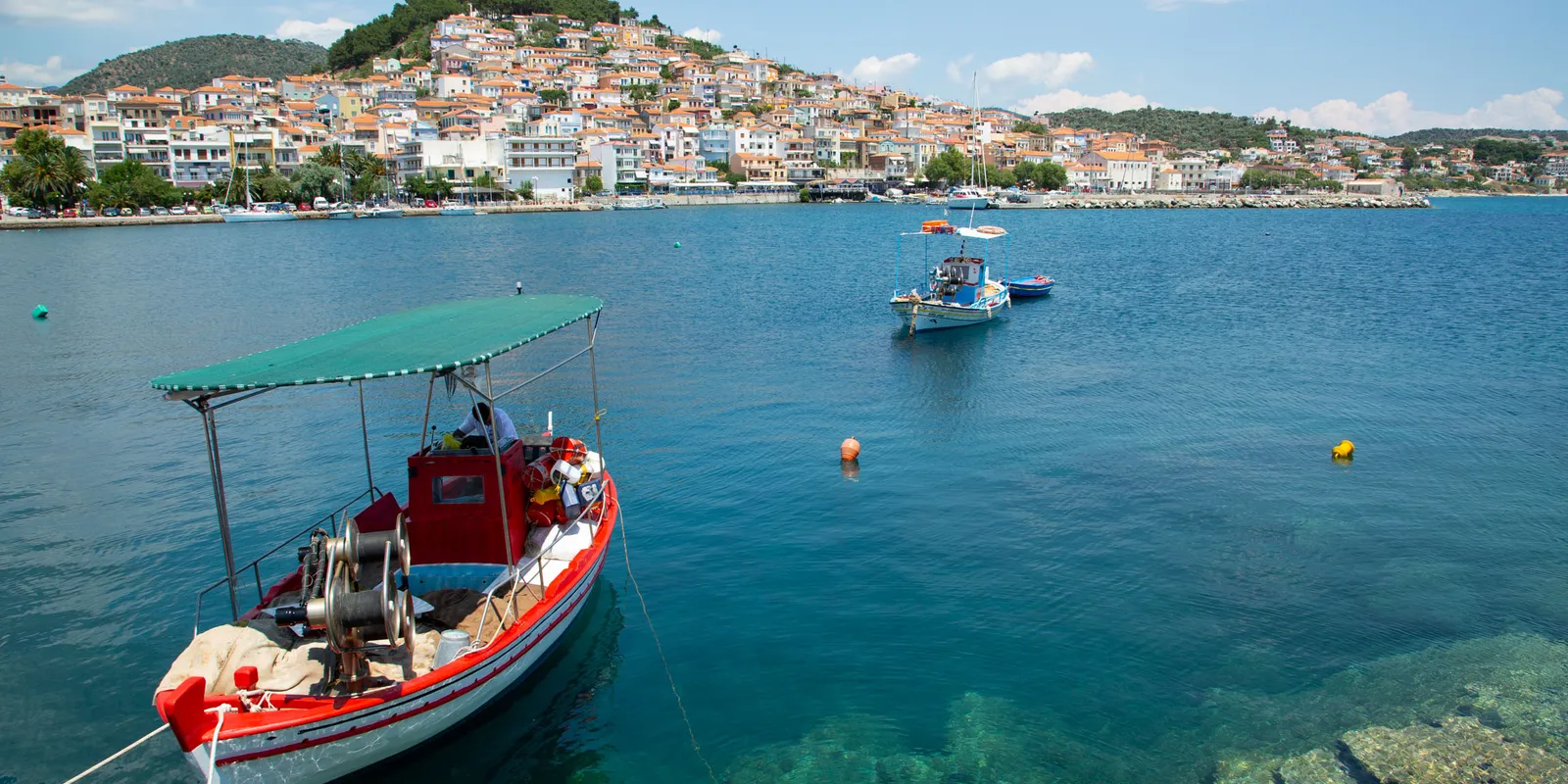
Mytilene: the island of poets in the eastern Aegean

Antalya International Airport: where to stay, areas and recommended hotels

John Glenn Columbus International Airport: where to stay, areas and recommended hotels

Passenger rights: what to do if your flight is delayed