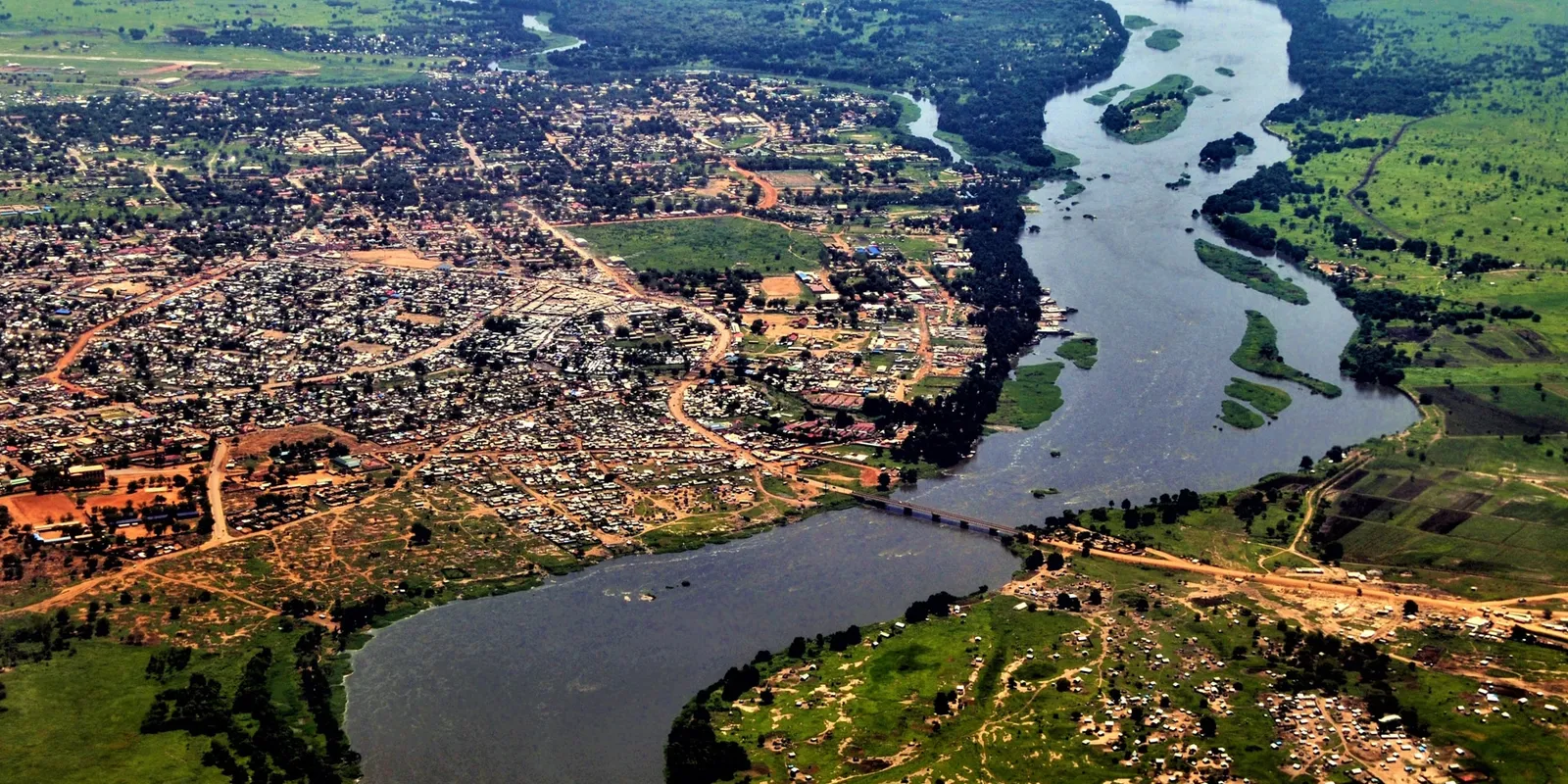
Juba Today: The Fragile Peace of the World's Youngest State
Rising at the confluence between the Blue Nile and White Nile, recognizable by the exact point where the two rivers merge slowly, Khartoum hosted until a few years ago important Nubian collections at the Sudan National Museum.
The twin city of Omdurman, on the opposite bank of the Nile, preserves large traditional souks and the tomb of the Mahdi, a central figure in nineteenth-century Sudanese history.
Since 2013, just two years after independence, South Sudan has plunged into a civil war between factions loyal to President Salva Kiir and former Vice President Riek Machar, costing hundreds of thousands of lives.
A peace agreement signed in 2018 reduced the intensity of large-scale fighting, but local clashes and political tensions between parties to the agreement remain frequent.
A vast United Nations peacekeeping mission, UNMISS, remains present in the country to protect civilians, a sign of how far the situation still is from full normalization.
Extreme poverty, scarcity of infrastructure and widespread insecurity make Juba one of the world's most difficult capitals to reach safely.
Under lasting peace, the area around Juba could offer sightings of the great migration of Kob and Tiang antelope, a natural phenomenon still unknown to most travelers.
The consolidation of the peace accord between factions remains the essential step for South Sudan to one day harness this unique natural heritage.
Related articles

You might also like...
Kampala: a day across the seven hills
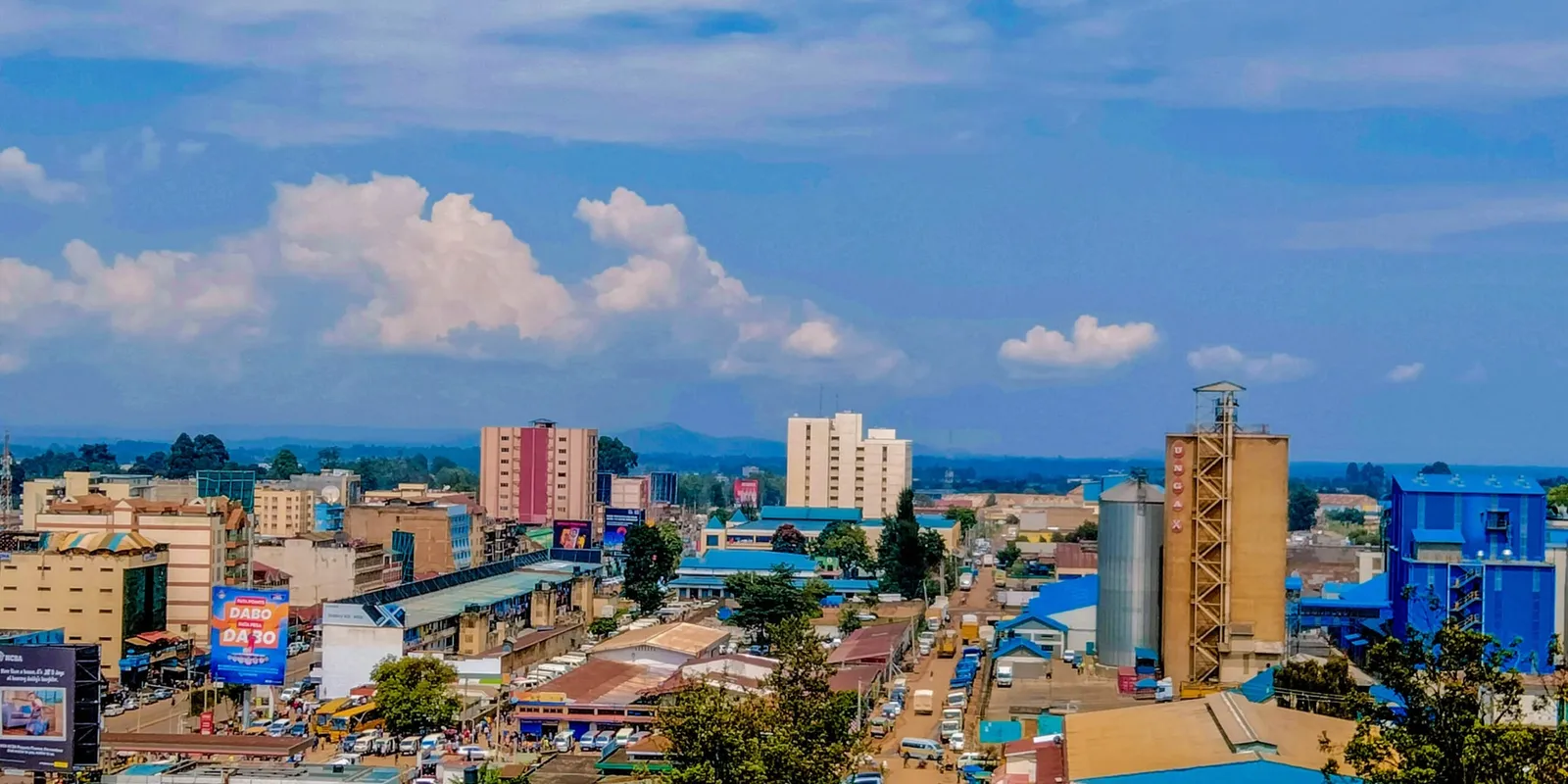
Eldoret: Kenya's capital of running champions

Zurich, the right lounge: Airside Center or Dock E

Milas Bodrum International Airport: where to stay, areas and recommended hotels

Changsha Huanghua International Airport: where to stay, areas and recommended hotels