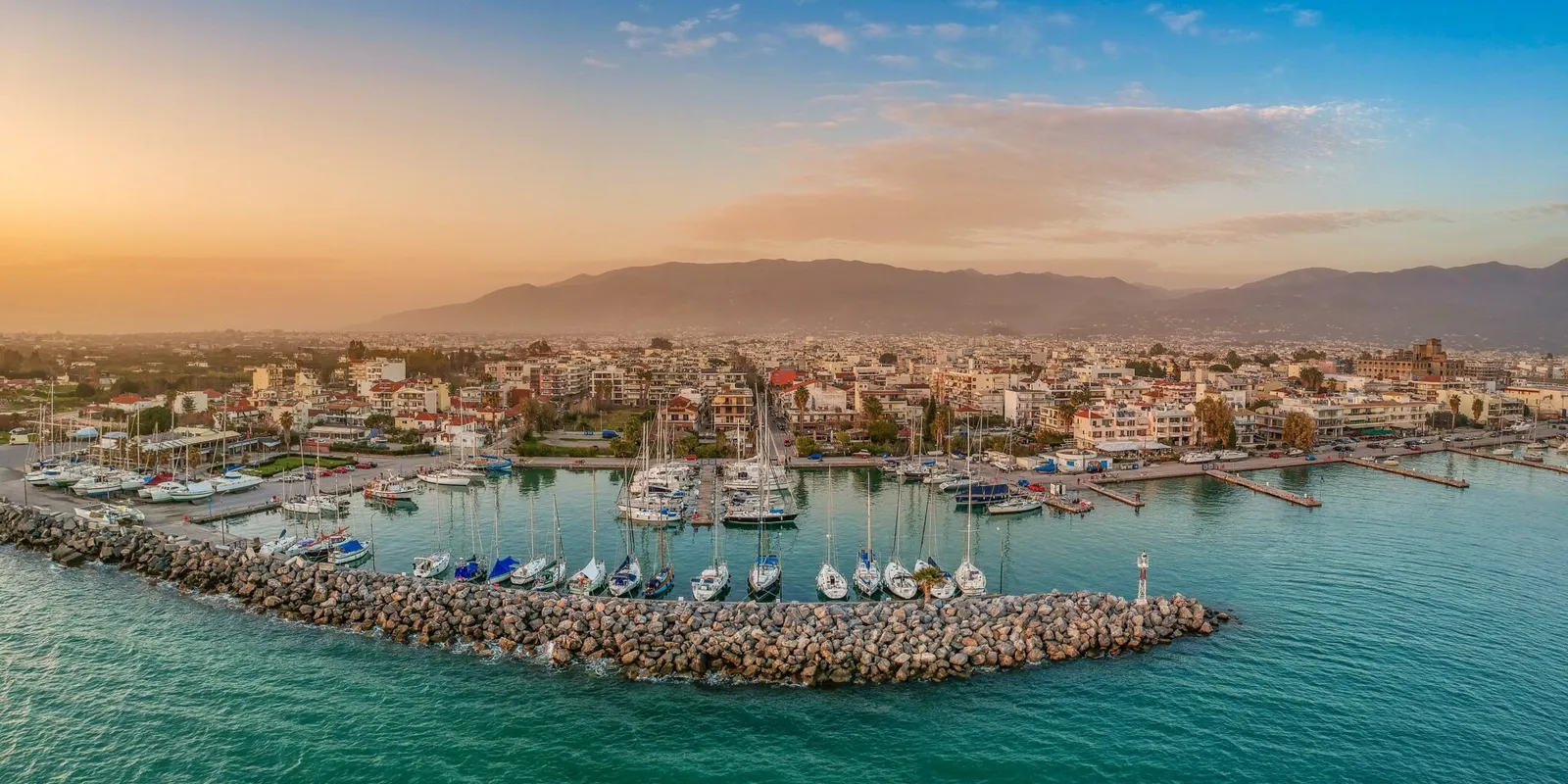

Kalamata: olives and the port of the Peloponnese
On the Gulf of Messenia, Kalamata lent its name to the renowned olive variety cultivated throughout the surrounding region.
The center, famous for olives and the Peloponnese port, is comfortably explored on foot.
The Castle of Kalamata, a Byzantine and later Frankish fortress, dominates the old city with a panoramic view of the Gulf of Messenia and the mountains of Taigetus.
A few steps away, the Church of the Apostles, where according to tradition the Greek revolution of 1821 was proclaimed, remains a symbol of national independence.
Walking along the coast one strolls through the citys waterfront, animated by restaurants serving the celebrated Kalamata olives together with local extra-virgin oil.
As evening falls, a historic tourist train travels part of the old railway line that once connected Kalamata to the mountains of the Peloponnese.
The Greek Revolution against Ottoman rule was officially proclaimed in Kalamata in March 1821, an event that makes the city a historic symbol of Greek national independence remembered each year with public celebrations.
Kalamata olives, with their distinctive almond shape and dark purplish color, remain protected by a controlled origin designation and are exported worldwide as an iconic Greek product, appreciated by international chefs.
Guided tours and experiences in Kalamata


Related articles

You might also like...
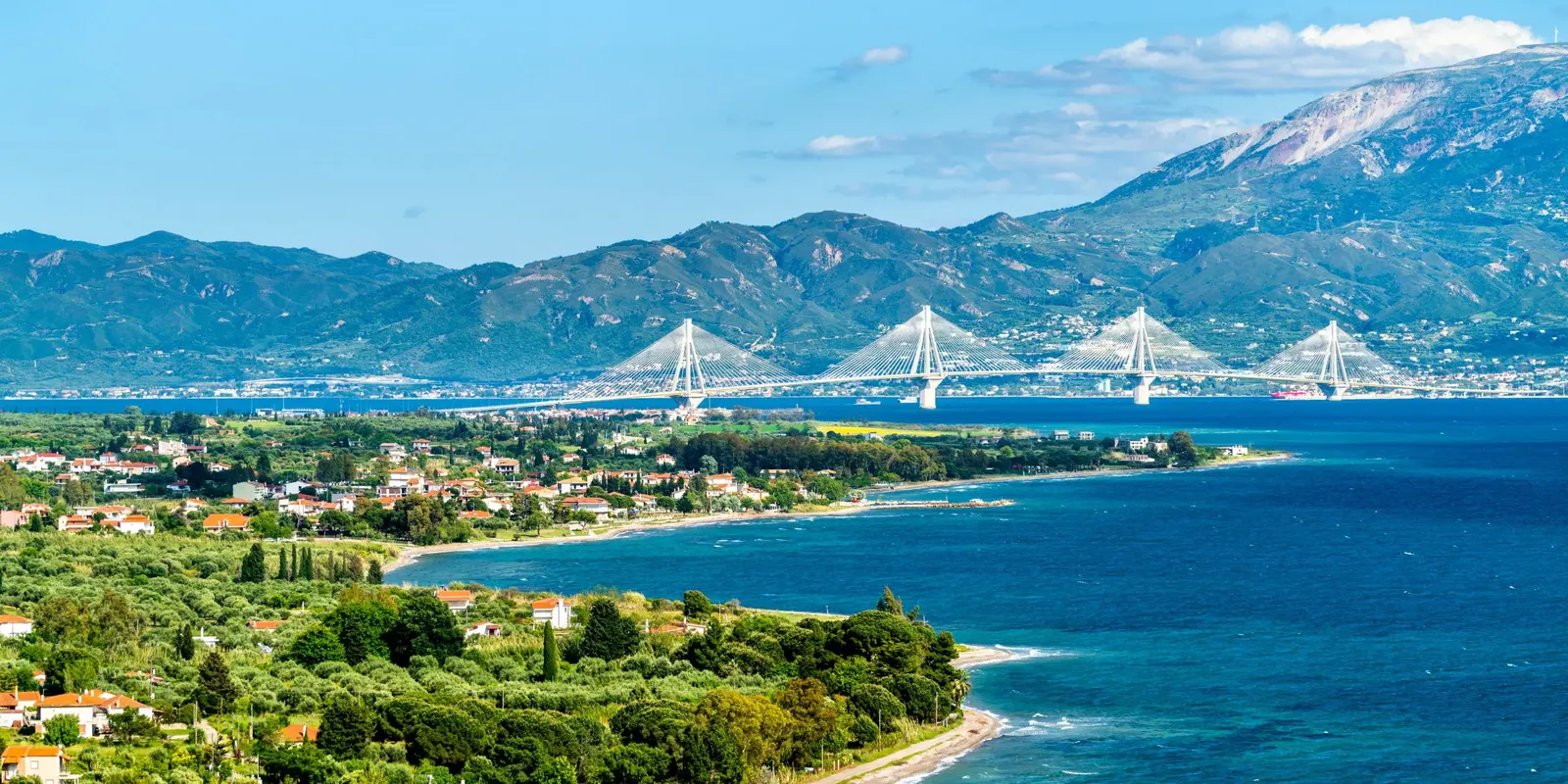
Patras: carnival and Roman theatres in the Peloponnese
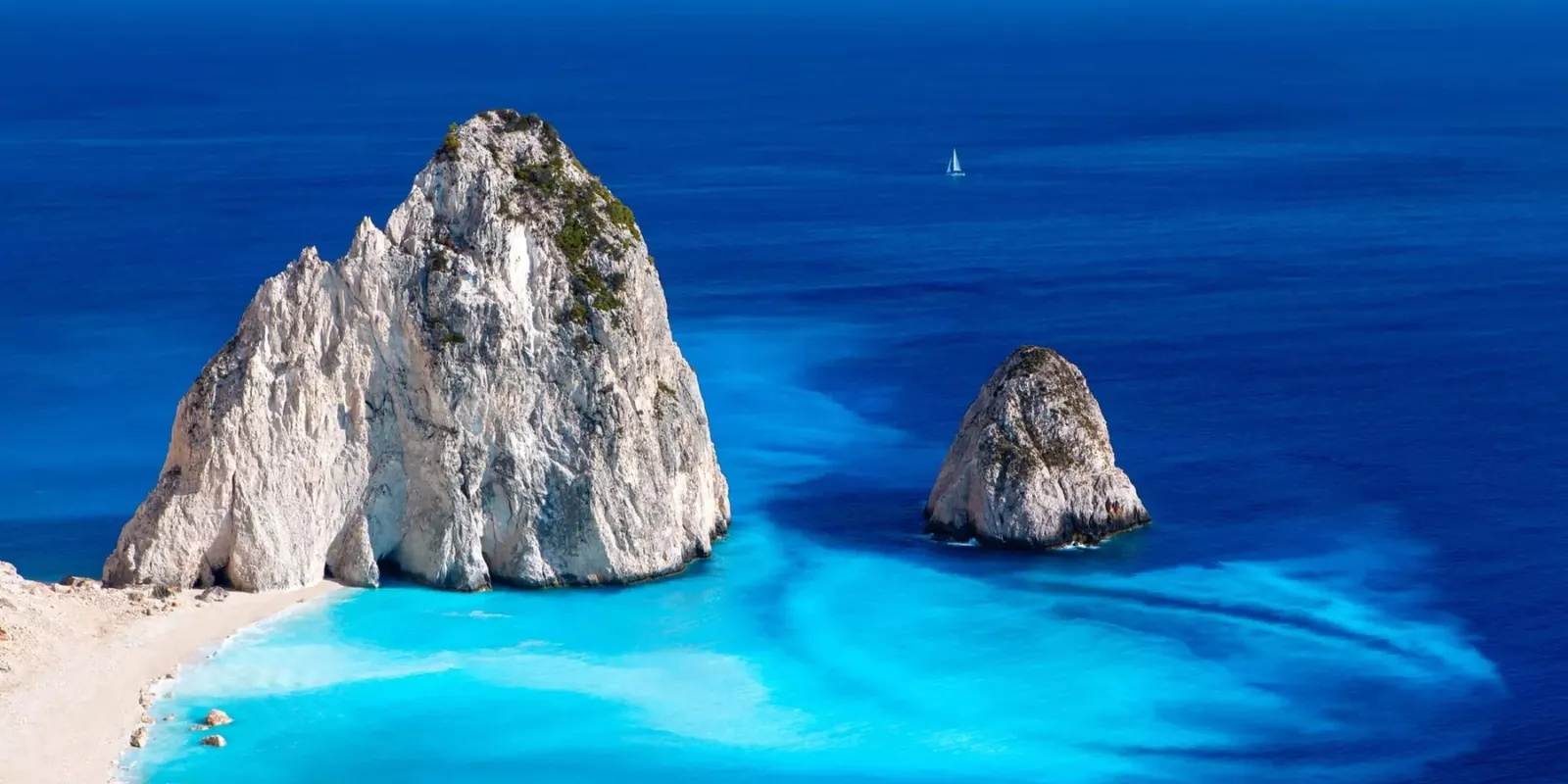
Zakynthos: the shipwreck beach of the island of flowers

Philadelphia: how to navigate American's lounges and the rest

Lhasa Gonggar Airport: where to stay, areas and recommended hotels

Sungai Siring International Airport: where to stay, areas and recommended hotels