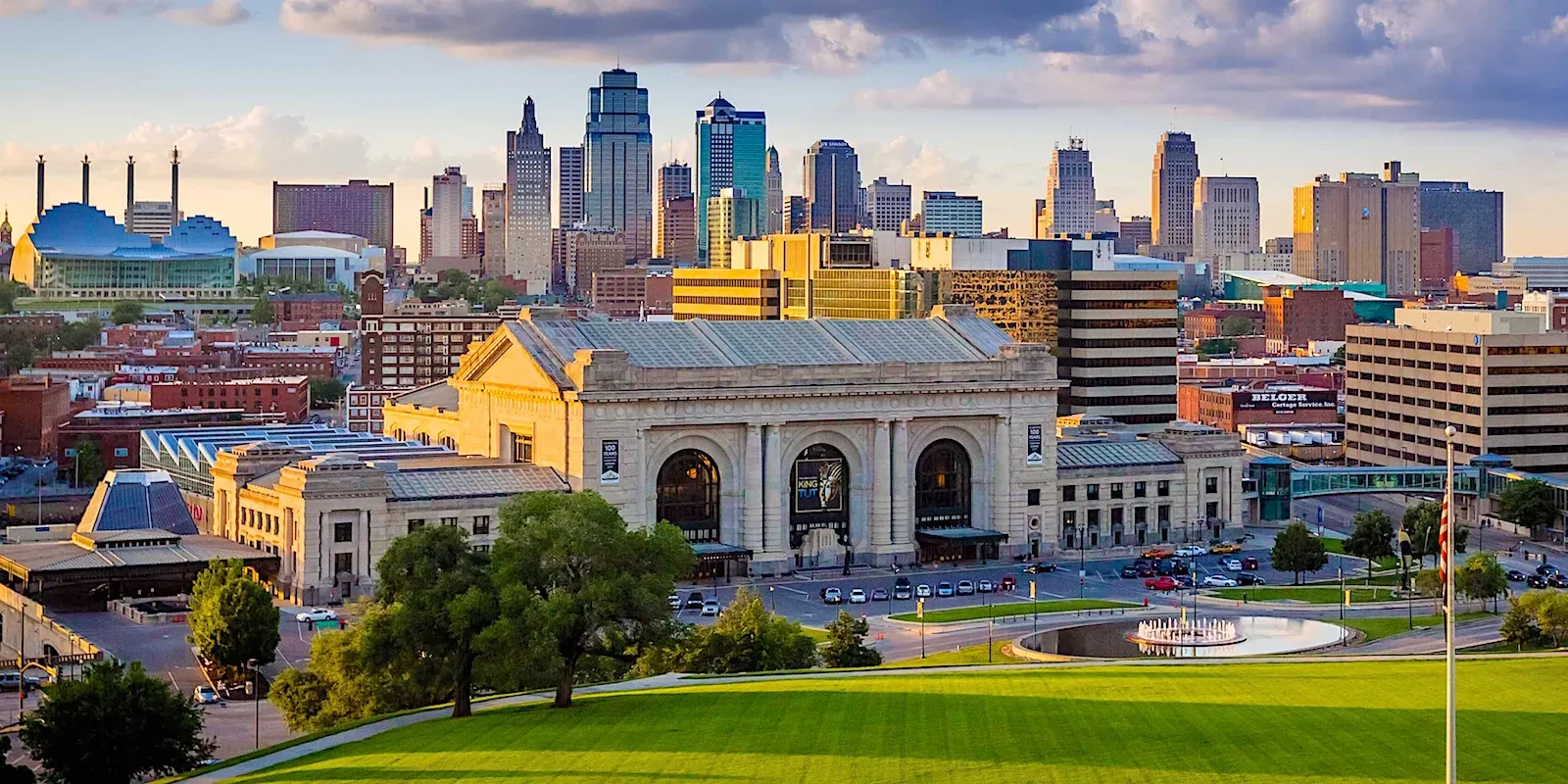

Kansas City: jazz, barbecue and fountains
Straddling the border between Missouri and Kansas, this Kansas City hosts more fountains than any other city in the world except Rome, alongside a jazz heritage that shaped musicians like Charlie Parker.
The main neighborhoods require a car to be connected within the span of a day.
The 18th & Vine district, historic heart of the city's African American community, is home to the American Jazz Museum and the Negro Leagues Baseball Museum side by side, dedicated to the baseball league reserved for Black players before integration.
The Nelson-Atkins Museum of Art, recognizable by enormous badminton shuttlecock sculptures scattered across the lawn in front, houses one of the United States' most important collections of Asian art.
The Country Club Plaza, opened in 1923 as the first shopping center in America designed for automobile customers, reproduces the architecture of Seville with towers, fountains and hand-painted ceramic tiles.
The City Market, covered and open-air market active since 1857 along the Missouri River, remains the place where the city still buys fresh fruit and vegetables directly from local producers today.
The Negro Leagues Baseball Museum, right next to the jazz museum, reminds us that both of the city's cultural legacies were born from the same community and the same segregated neighborhood.
The fountains of Country Club Plaza, inspired by a Seville never seen by most of its builders, reveal instead another Kansas City: one that has always looked elsewhere to imagine itself.
Related articles

You might also like...
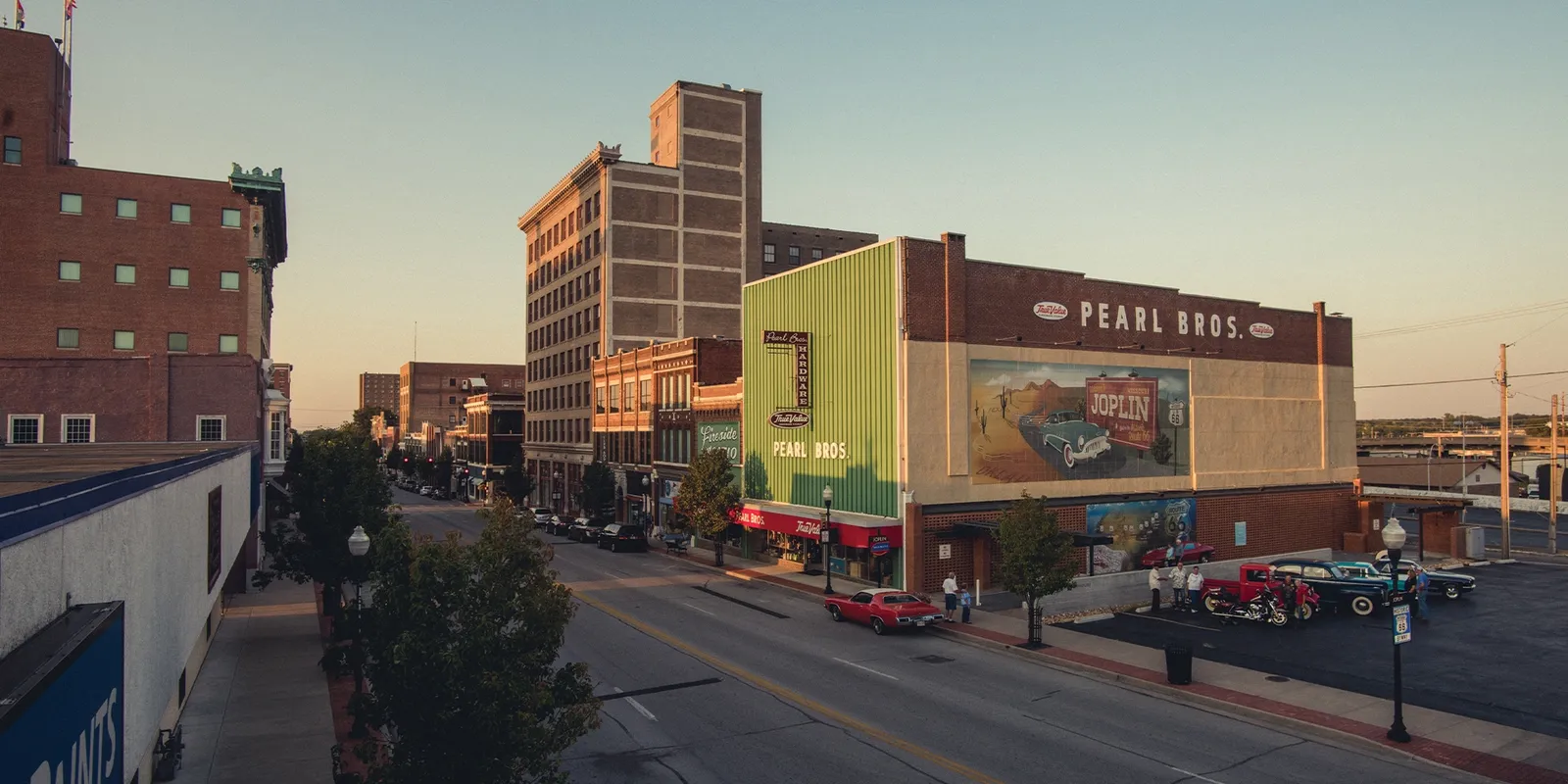
Joplin: reborn after the tornado of the century
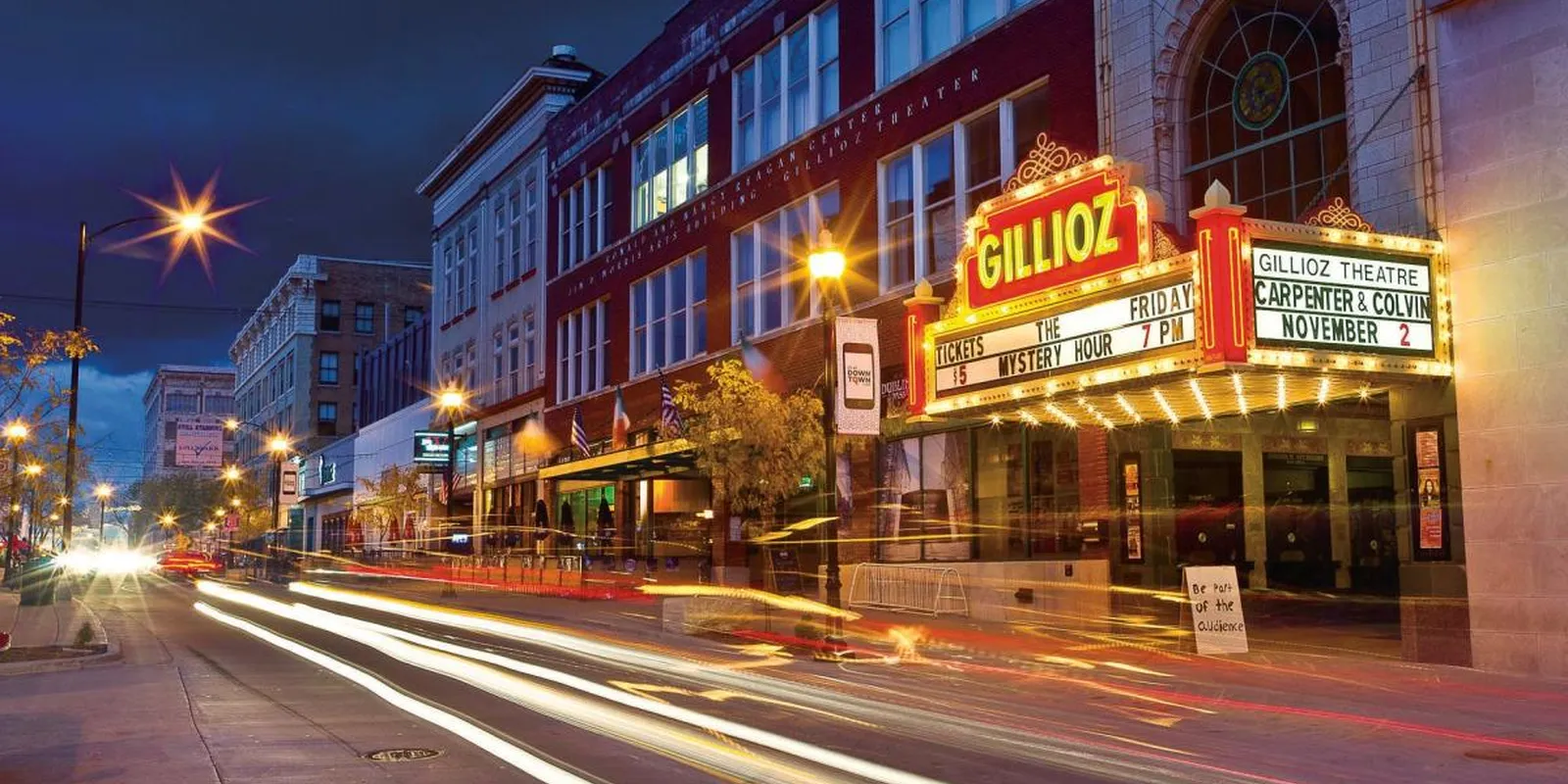
Springfield: the birthplace of Route 66

BRA (Braathens Regional Airline): Why You Can No Longer Book a Flight Under This Name in Sweden
Passenger rights in case of overbooking: what to do

Luxembourg City-Findel International Airport: where to stay, areas and recommended hotels
