
Khabarovsk: Russia facing China
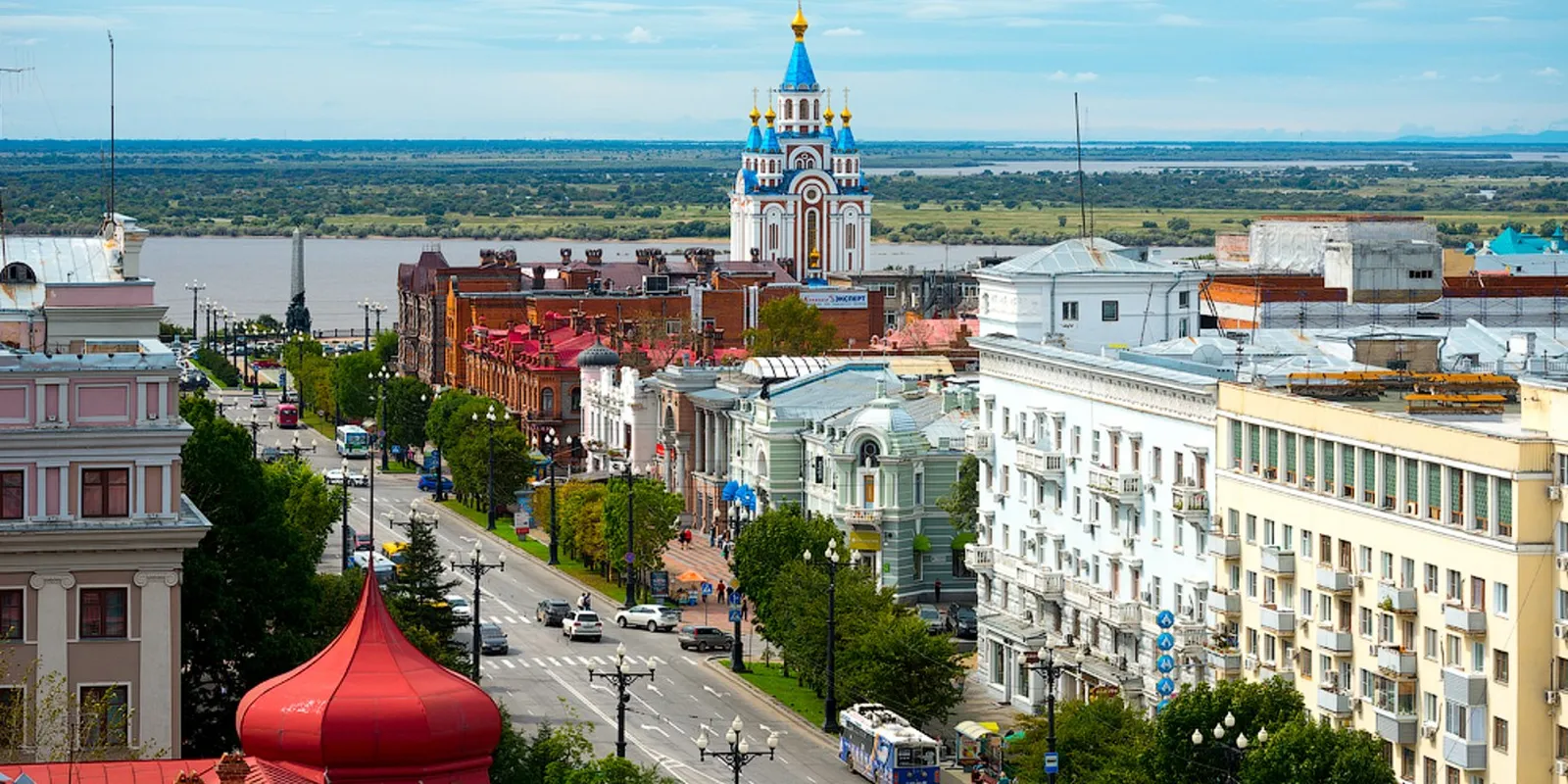
On the banks of the Amur River, which marks the border with China, Khabarovsk remains the main cultural center of Russia's Far East.
The center, overlooking the border with China along the Amur River, is comfortably explored on foot.
The Amur riverfront, one of Asia's longest rivers, separates Khabarovsk from Chinese territory visible on the opposite bank.
Just steps away, the Cathedral of the Transfiguration, among the largest Russian Orthodox churches in Asian Russia, dominates the city skyline with its golden cupolas.
Continuing along the river, one visits the Grodekov Museum, which displays artifacts from the indigenous populations of the Russian Far East, including the Nanai of the Amur basin.
Toward evening, the park along the Amur animates with evening strolls with views of the sunset beyond the Chinese border.
The Amur River, among the world's ten longest rivers, marks for hundreds of kilometers the natural border between Russia and China, making Khabarovsk one of Russia's closest cities to the Asian giant and a strategic commercial crossroads.
In winter the Amur River freezes completely, allowing people to cross on foot into Chinese territory—a phenomenon that makes Khabarovsk an unusual seasonal cross-border tourism destination between the two Asian powers.
Related articles
You might also like...
Vladivostok: where Russia looks to the Pacific
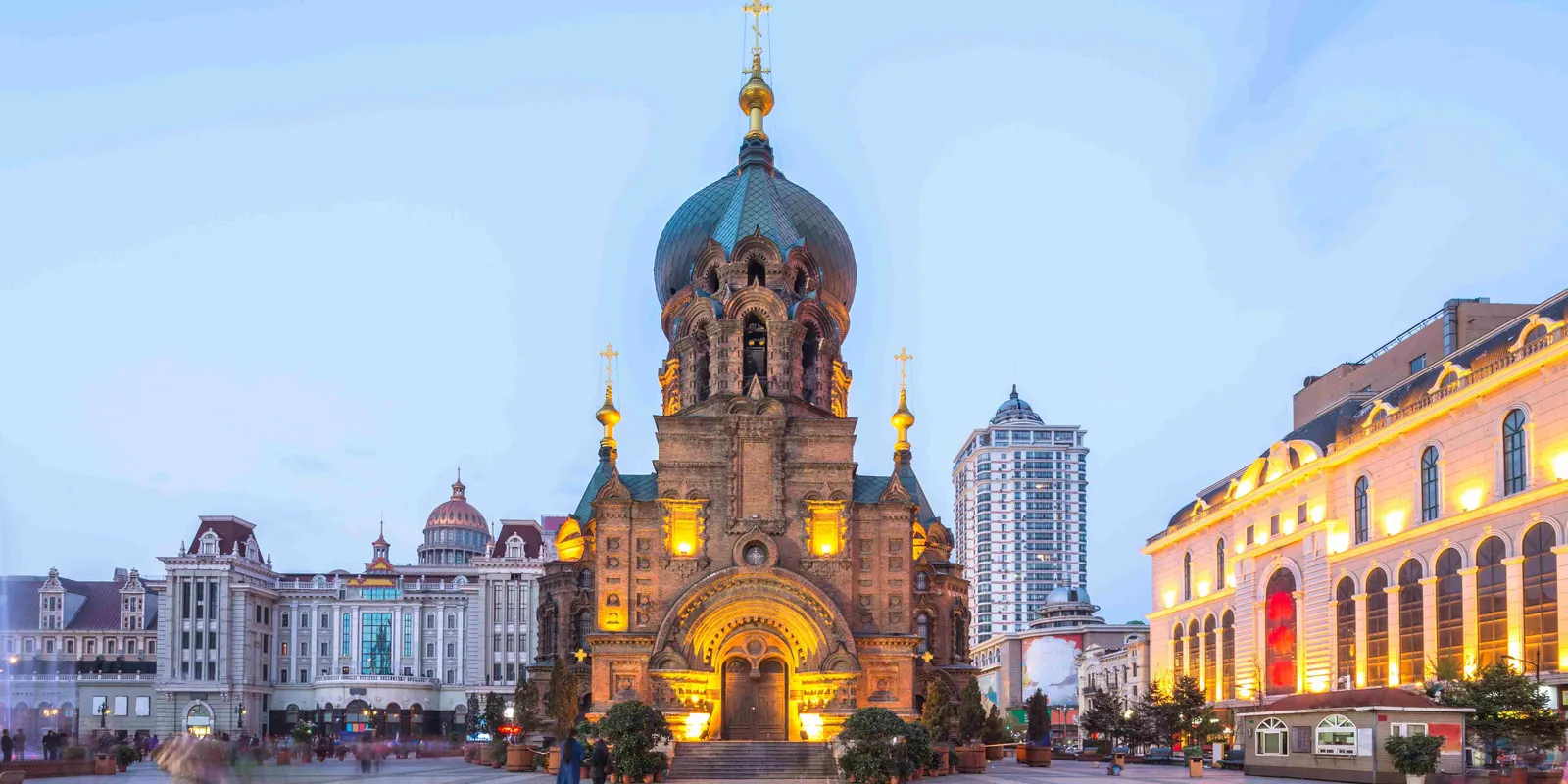
Harbin: Russian domes and winter ice
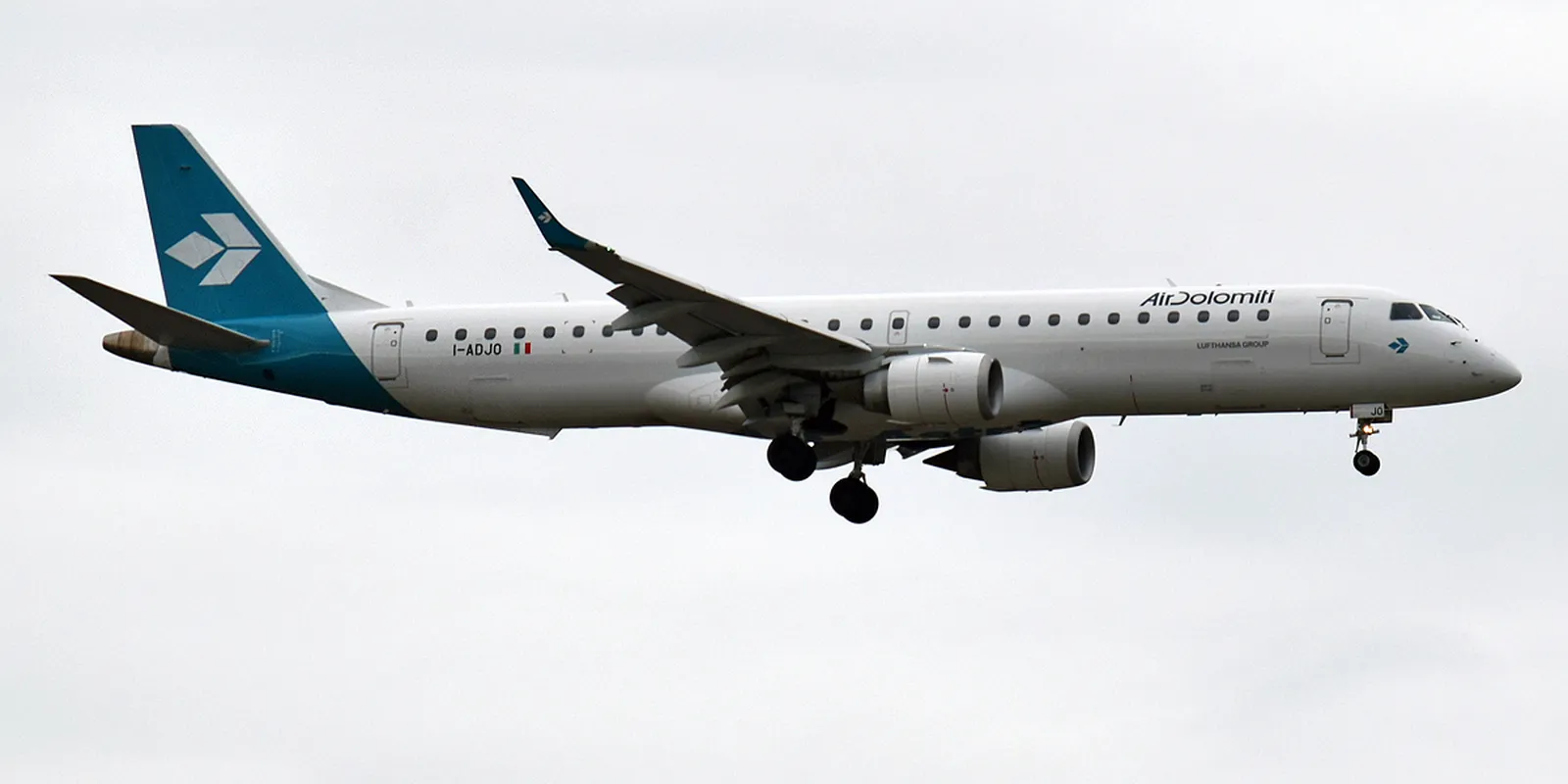
Air Dolomiti: The Lufthansa Group Regional Flying From Verona and Bologna

Shah Amanat International Airport: where to stay, areas and recommended hotels

Turin Caselle Airport: where to stay, areas and recommended hotels