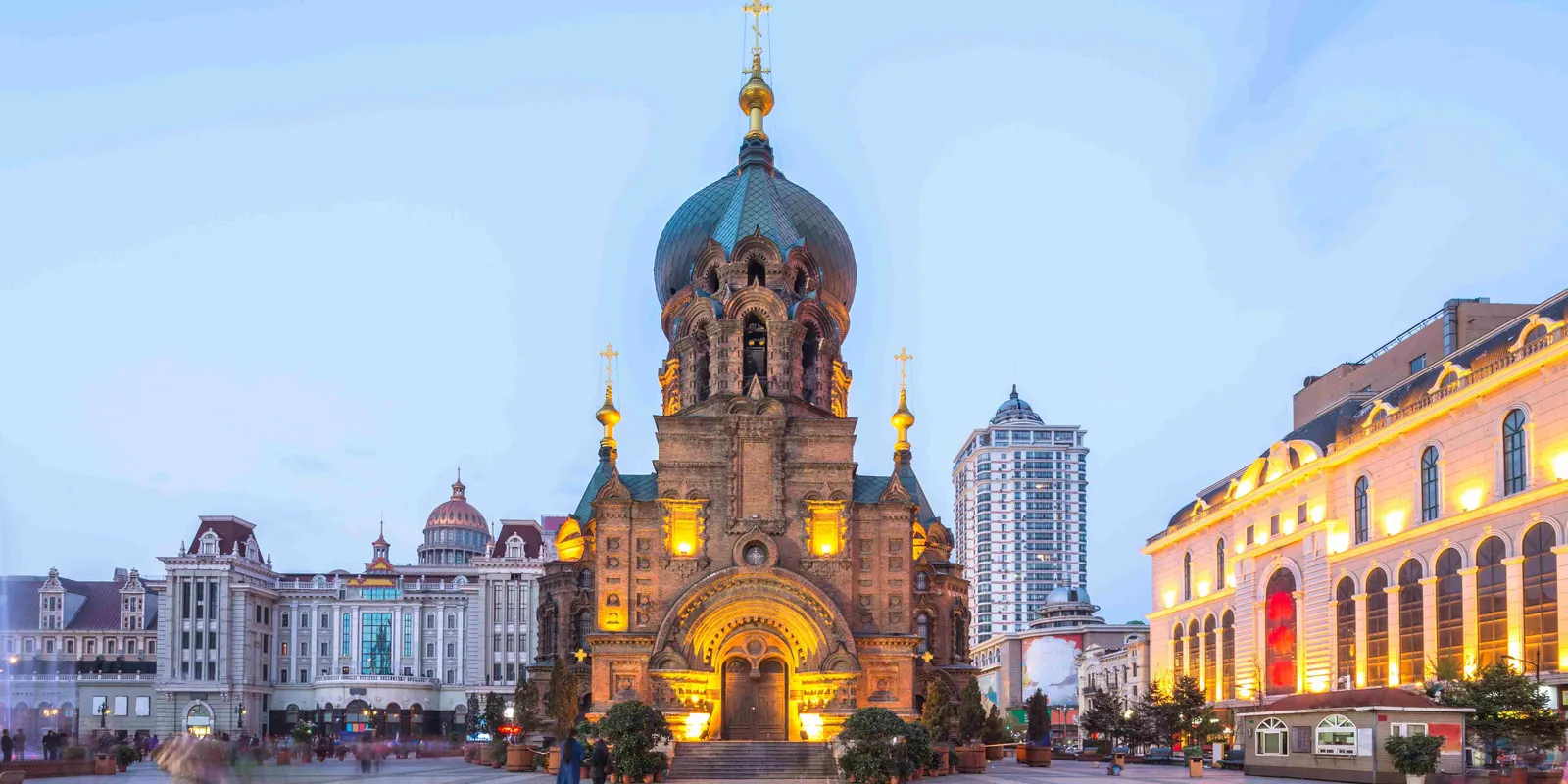

Harbin: Russian domes and winter ice
Built in the late nineteenth century as a base for the Russian railway in Manchuria, Harbin still preserves Russian Orthodox onion domes overlooking a riverfront that transforms in winter into one of the world's most spectacular ice sculpture exhibits.
The historic center is explored on foot along the main pedestrian axis.
The Cathedral of Saint Sophia, a red-brick Orthodox church with green onion domes rebuilt in masonry in 1932 over a previous early-20th-century wooden structure, is today a museum of city architecture after surviving decades of varied uses during twentieth-century China.
The Central Avenue, over one kilometer of original stone pavement, aligns buildings in baroque, art nouveau, and neoclassical styles built by Russian and European architects in the early decades of the 1900s.
In winter, the Ice and Snow World constructs entire replicas of castles and monuments from blocks of ice harvested from the Songhua River, illuminated from within with colored lights as darkness falls.
The Siberian Tiger Park, just outside the city, houses in naturalistic large enclosures one of the world's largest groups of Siberian tigers in captivity, a species gravely threatened in the wild.
The Orthodox domes of Santa Sofia and the Baroque palaces of Central Avenue remind us that Harbin, more than any other major Chinese city, still bears the mark of a century of Russian and European presence.
The ice of the Songhua River, which becomes sculpture and building material in winter, shows instead how the city has learned to transform even its most extreme climate into an attraction.
Related articles

You might also like...
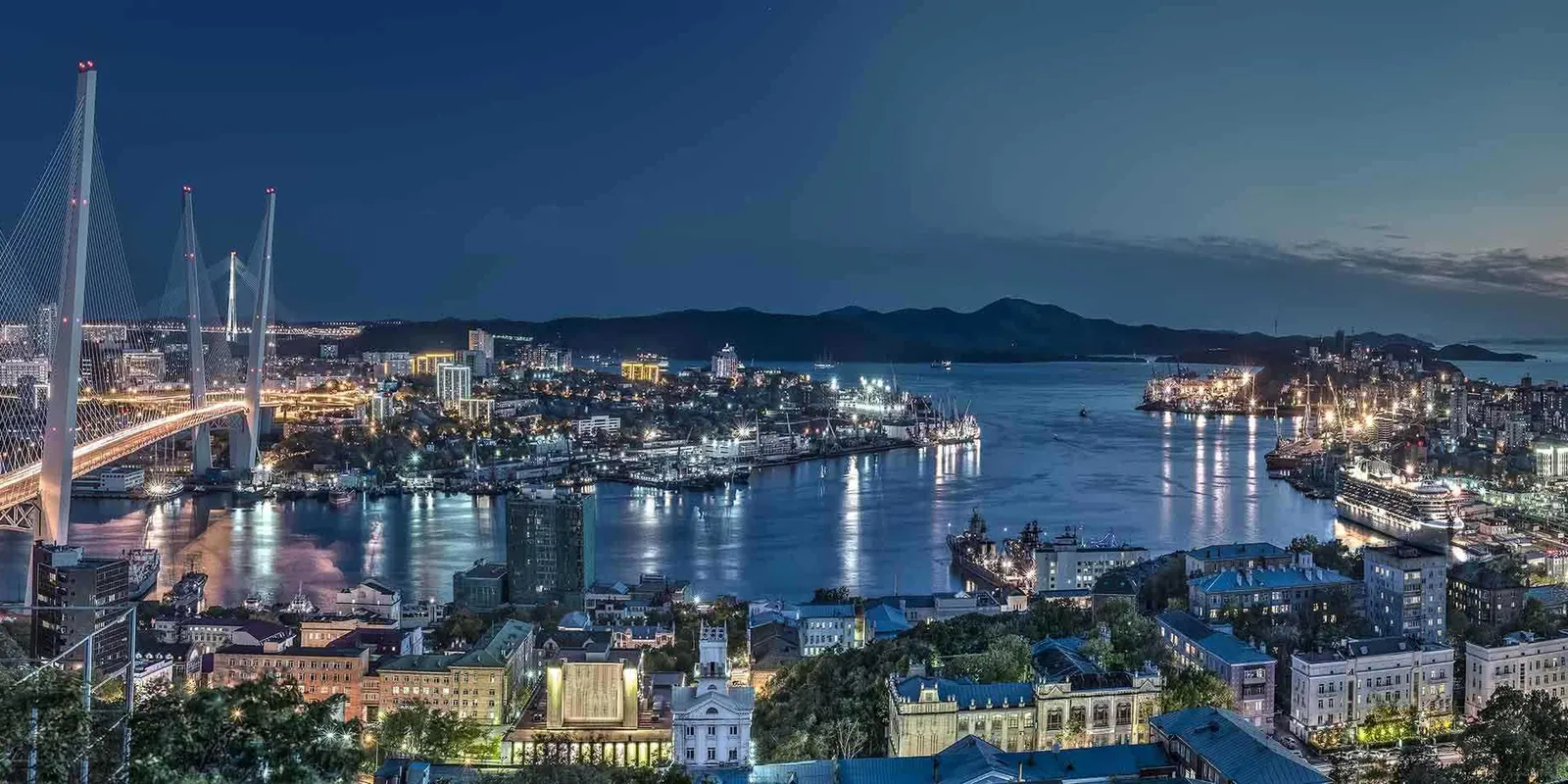
Vladivostok: where Russia looks to the Pacific
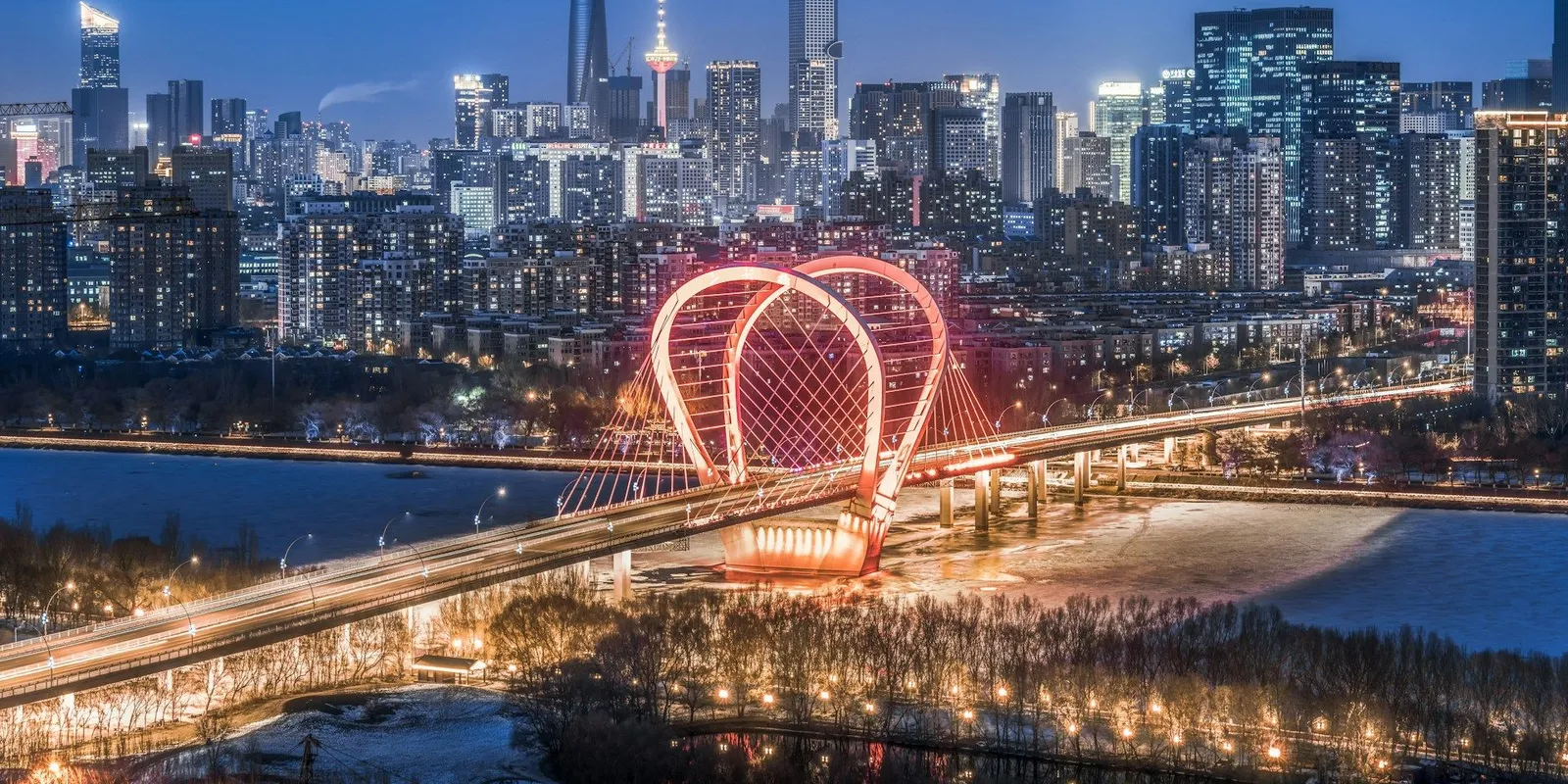
Shenyang: the imperial palace of the Qing

How to manage nausea during a flight

Kisumu International Airport: where to stay, areas and recommended hotels

Sary-Arka Airport: where to stay, areas and recommended hotels