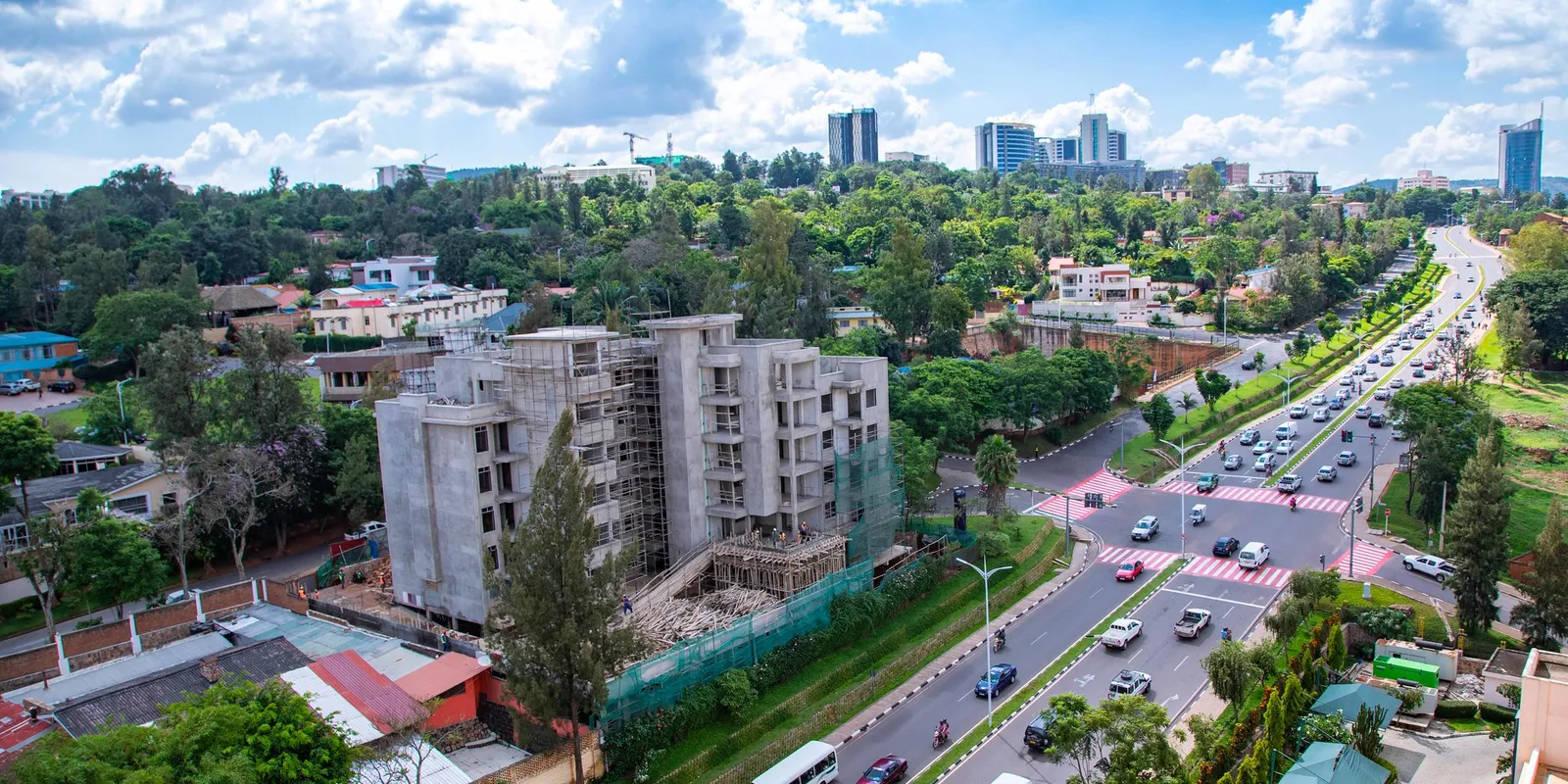

Kigali in a day: memory and neighbourhoods
Spread across multiple green hills, Kigali is today one of the cleanest and most orderly cities on the continent, the result of reconstruction that has passed through one of the hardest chapters of recent African history.
A day here necessarily alternates moments of memory and vibrant neighbourhoods, without one excluding the other.
The Kigali Genocide Memorial is almost always the first stop for those visiting the city: more than just a burial ground, it's an exhibition path that explains with rigor the 1994 events and the reconciliation process that followed.
Changing tone, the Nyamirambo neighborhood lends itself well to walking, perhaps with one of the guided strolls run by local cooperatives: tailoring shops, neighborhood cinemas, and street food recount a less touristic Kigali.
The Inema Art Center, a gallery and residence for Rwandan artists, exhibits contemporary painting and installations in an informal space, often animated by evening events or open classes.
The Kimironko Market remains the city's largest covered market, among vibrant kitenge cloth fabrics, spices, and fresh produce: a good place for a final round of shopping before leaving the capital.
At dusk, from the hills around Nyamirambo, Kigali lights up one hill at a time, and for a moment its geography—not its history—becomes the visitor's main subject for the day.
It's an inversion worth noticing, in a city where it's usually memory that guides the visitor's gaze.
Guided tours and experiences in Kigali

Related articles


You might also like...
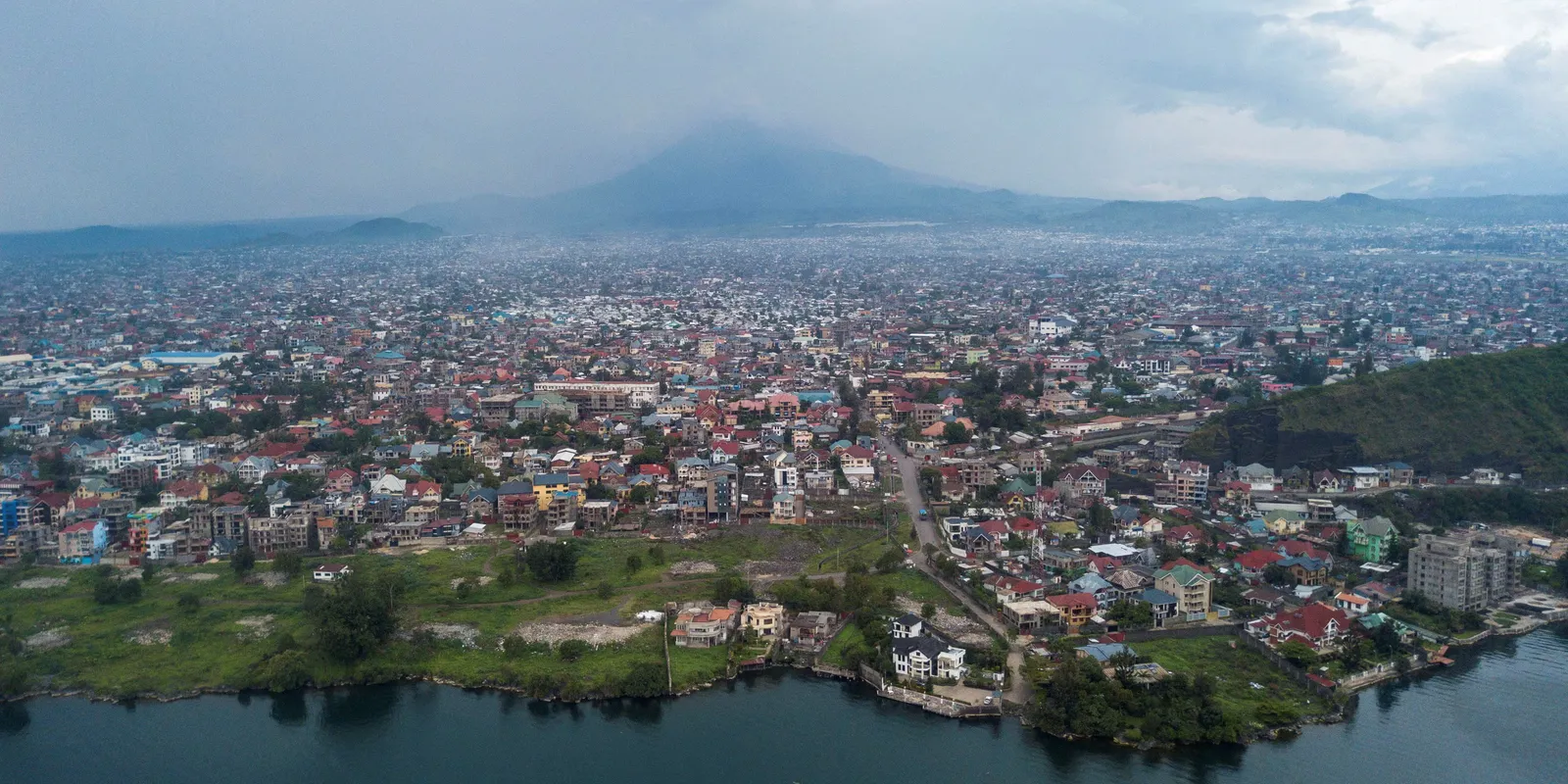
Goma Today: The Front Line of the North Kivu Conflict
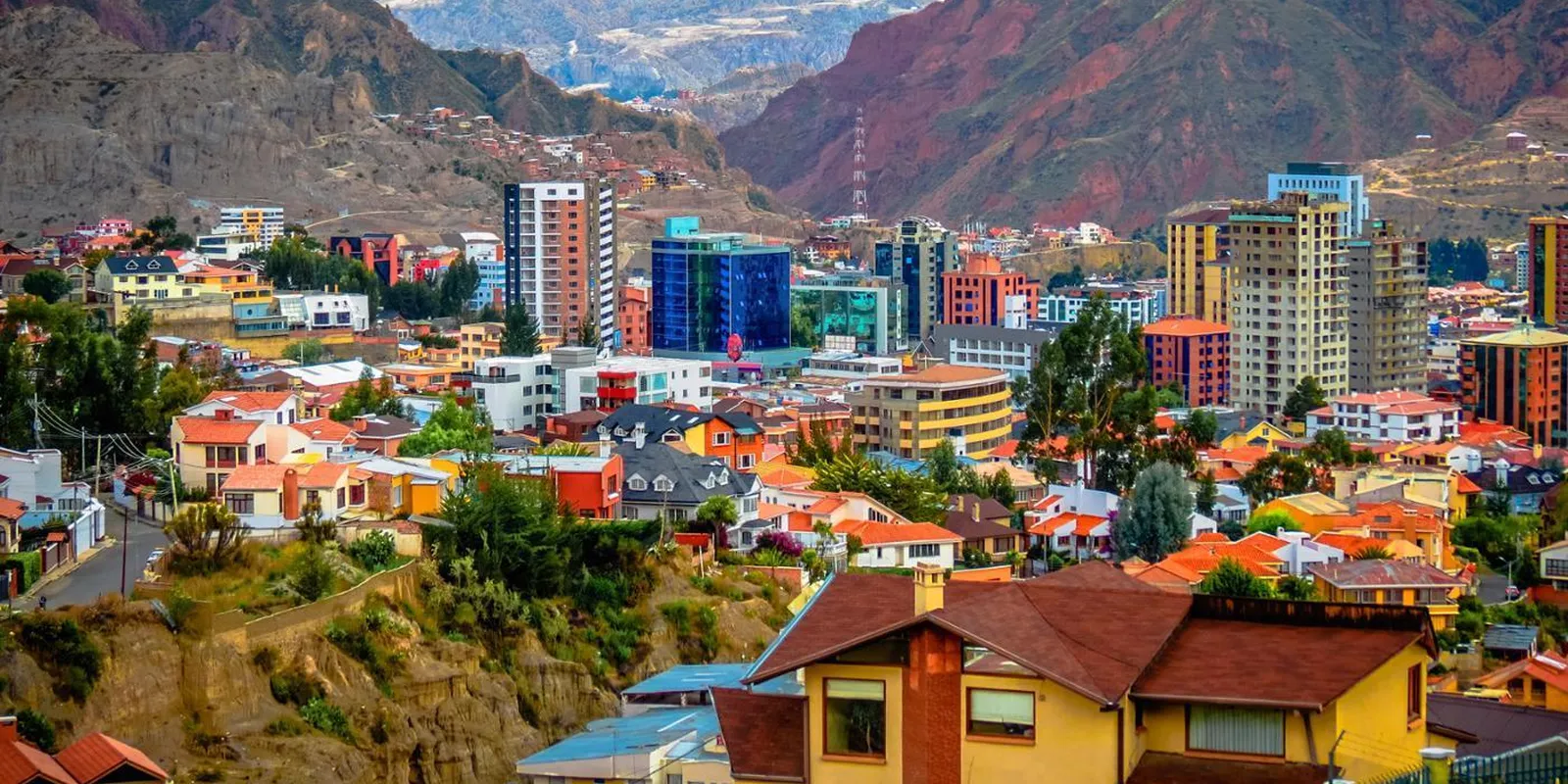
Bujumbura: sunset over Lake Tanganyika

Borlange Airport: where to stay, areas and recommended hotels

Wichita Dwight D. Eisenhower National Airport: where to stay, areas and recommended hotels

S7 Airlines: Russia's Largest Private Airline, Suspended from Oneworld Since 2022