
Lamezia Terme: what to see in 1 day
Lamezia Terme is a relatively young city in its current form: it was born in 1968 from the union of three distinct centers, Nicastro, Sambiase and Sant'Eufemia Lamezia, which remain recognizable today as separate nuclei connected by long avenues rather than as a single compact historic center. It is a functional city rather than a monumental one, grown around the plain and the Tyrrhenian coast, and for this reason it doesn't lend itself to a dense itinerary like that of other historic cities in the region.
One day is more than enough to see its main aspects, provided you accept that the experience will be made more of neighborhoods and glimpses than of great monuments concentrated in a single area. It's best to move with a clear idea of what you're looking for, without expecting a continuous historic center to walk through in its entirety, and accounting for some travel between the different urban nuclei.
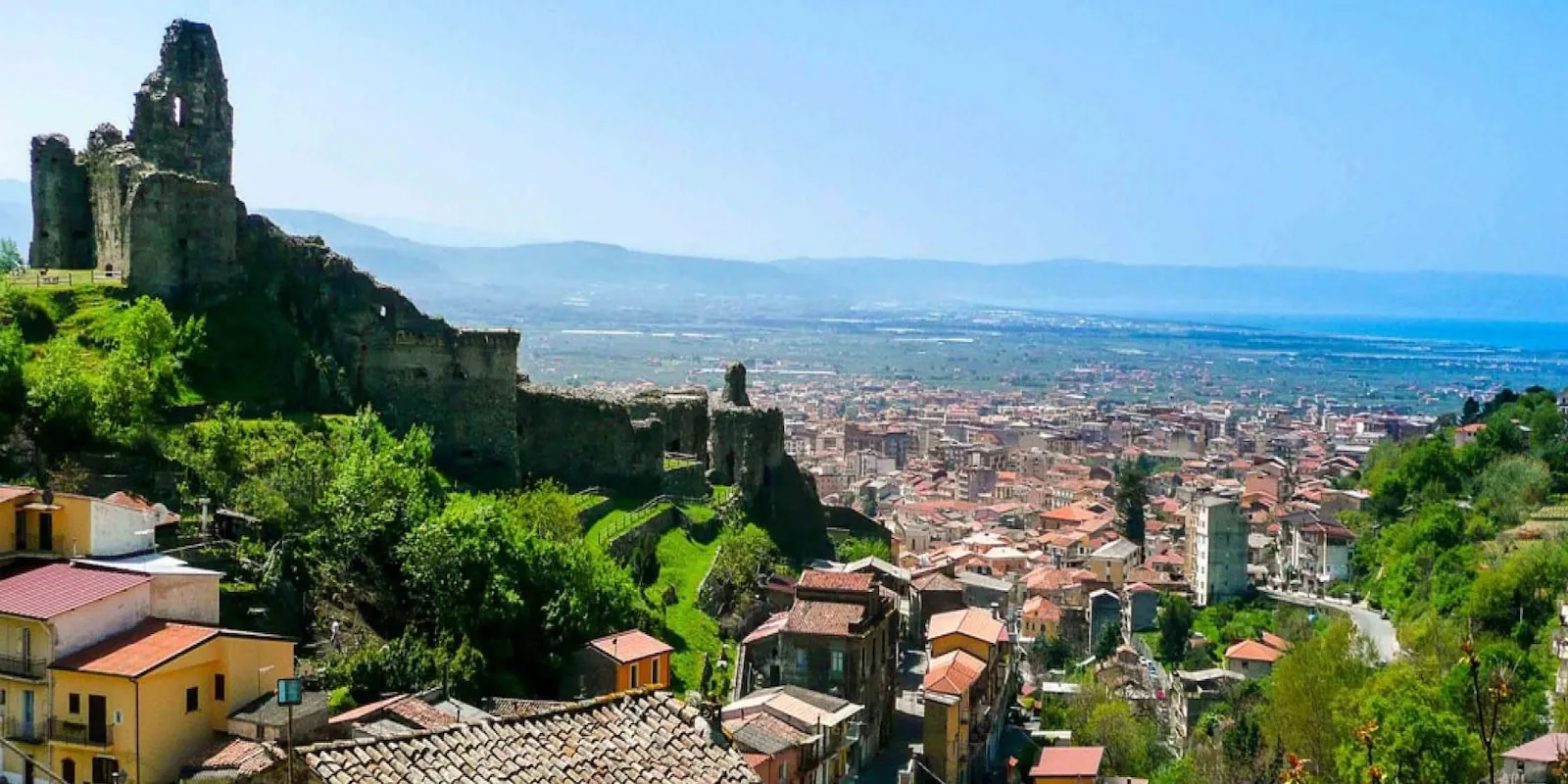
The most significant part to see is found in Nicastro, the oldest of the three nuclei, where on the hill dominating the settlement remain the remains of the Norman-Swabian castle: it is not a fully preserved building, but the high position offers a view over the plain below that is worth the climb, and allows you to get an idea of the defensive function the site had over the centuries. At the foot of the hill the center of Nicastro unfolds, with its main churches and the narrow streets of the oldest fabric, comfortably walked in a couple of hours, alternating stops in the squares with walks without a precise destination.
Moving toward Sambiase, reachable in minutes by car or with urban transport, you find another historic nucleus with its own character, less extensive than that of Nicastro but still useful for understanding how the three centers, despite being united administratively for decades, maintain distinct identities.
Those with time in the afternoon can head toward the coastal strip of Sant'Eufemia Lamezia, on the gulf of the same name: it is the part of the city most tied to the sea, with a sandy shoreline offering a different rhythm compared to the two historic centers, and represents a natural way to end the day away from traffic and city streets.
Given the distance between the three nuclei, which are not connected by a single continuous pedestrian route, it is useful to plan the use of car or urban buses to move from one area to another, reserving instead walking within each historic center. It is not a city that requires a rigid plan: the important thing is to account from the start that it is three distinct places to visit in sequence, rather than a single center to explore without interruption.
Viewed in a few hours, Lamezia Terme returns the image of a composite city, born from the union of different realities that never quite merged into a single center. Whoever visits in a few hours takes home more a collection of impressions—the castle on the hill, the alleys of Nicastro, the sea of Sant'Eufemia—than a monumental route in the classical sense.
It's an experience sufficient to form an idea of the city without leaving the feeling of having overlooked something essential, precisely because its polycentric nature lends itself more to a circumscribed visit than to extended stays.
Guided tours and experiences in Lamezia Terme

Related articles

You might also like...
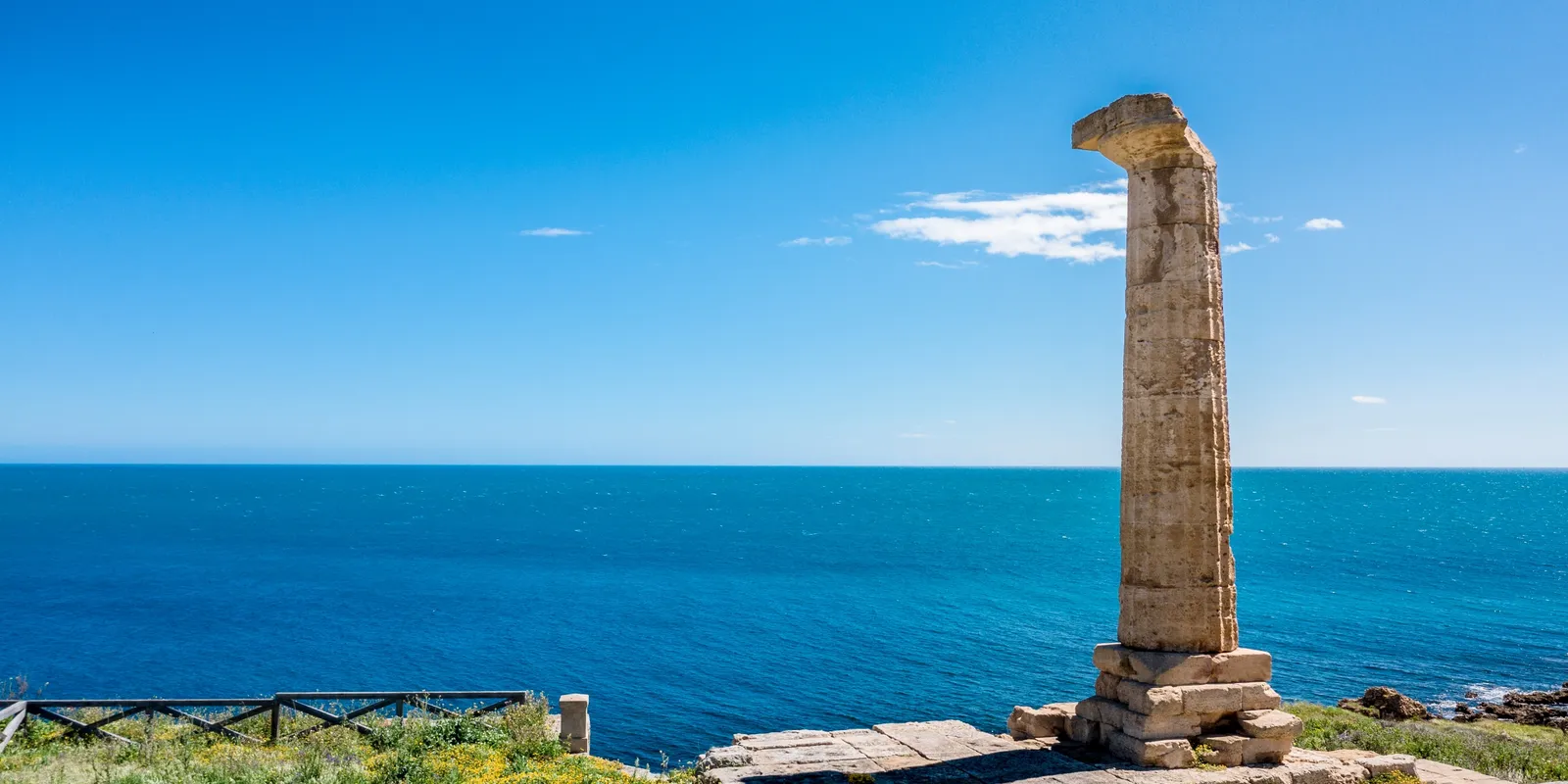
Crotone: the last column of the temple of Hera
Reggio Calabria: the Riace Bronzes

Murtala Muhammed International Airport: where to stay, areas and recommended hotels

Where to wait for your flight after security

Beirut Rafic Hariri International Airport: where to stay, areas and recommended hotels