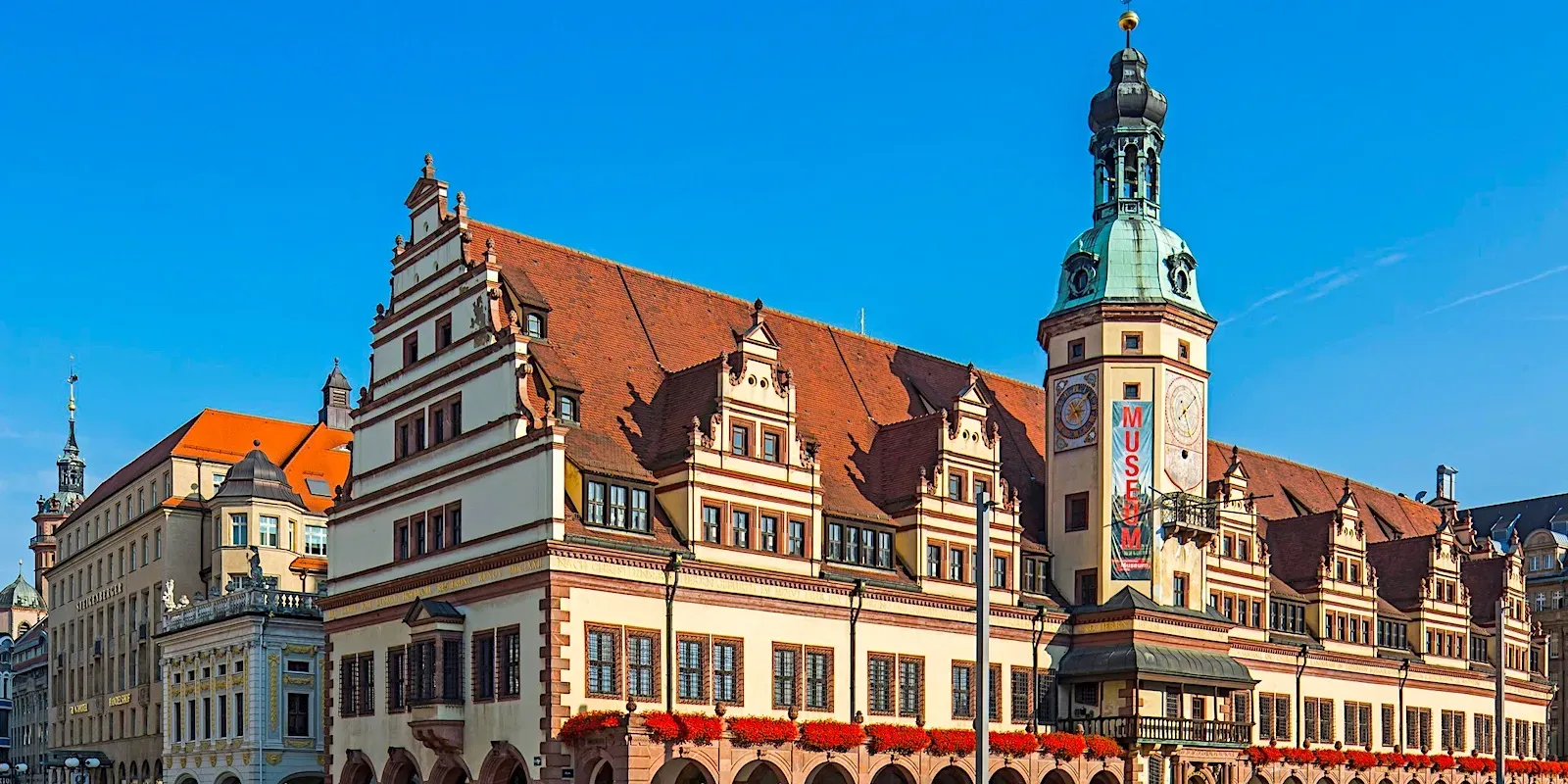

Leipzig: the city of the peaceful revolution
In 1989 thousands of Leipzigers marched unarmed against the East German regime, opening the path to events that would lead to the fall of the Berlin Wall.
The center is comfortably explored on foot, thanks to its contained extent compared to other German cities.
The Church of Saint Nicholas was the starting point of the 'Monday Prayers' that in 1989 gathered tens of thousands in peaceful protests against East German government.
Just steps away, the Church of Saint Thomas, where Johann Sebastian Bach worked as choir director for over twenty-five years, still preserves his tomb.
Continuing on, you reach Auerbachs Keller, a historic cellar cited by Goethe in his Faust, active as a restaurant since 1525.
Toward evening, the Monument to the Battle of Nations, among Europe's most imposing, commemorates Napoleon's defeat in 1813 right around the city.
The peaceful Monday demonstrations in Leipzig, growing week by week in 1989, are considered among the decisive factors that convinced the East German regime not to forcibly suppress the popular protests.
Bach wrote much of his most celebrated sacred music in Leipzig, often composing a new cantata each week for services at St. Thomas Church.
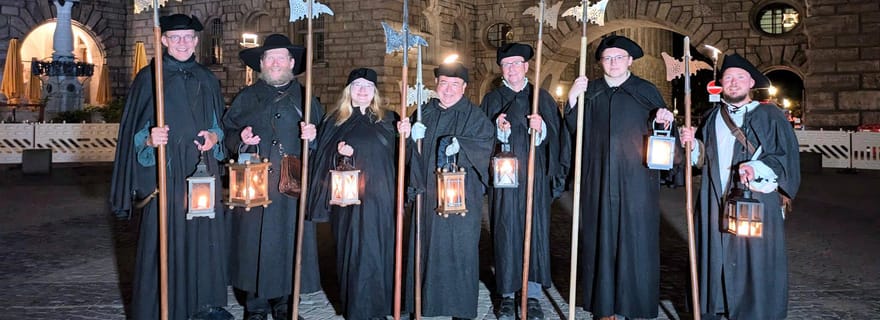
Guided tours and experiences in Leipzig


Related articles

You might also like...
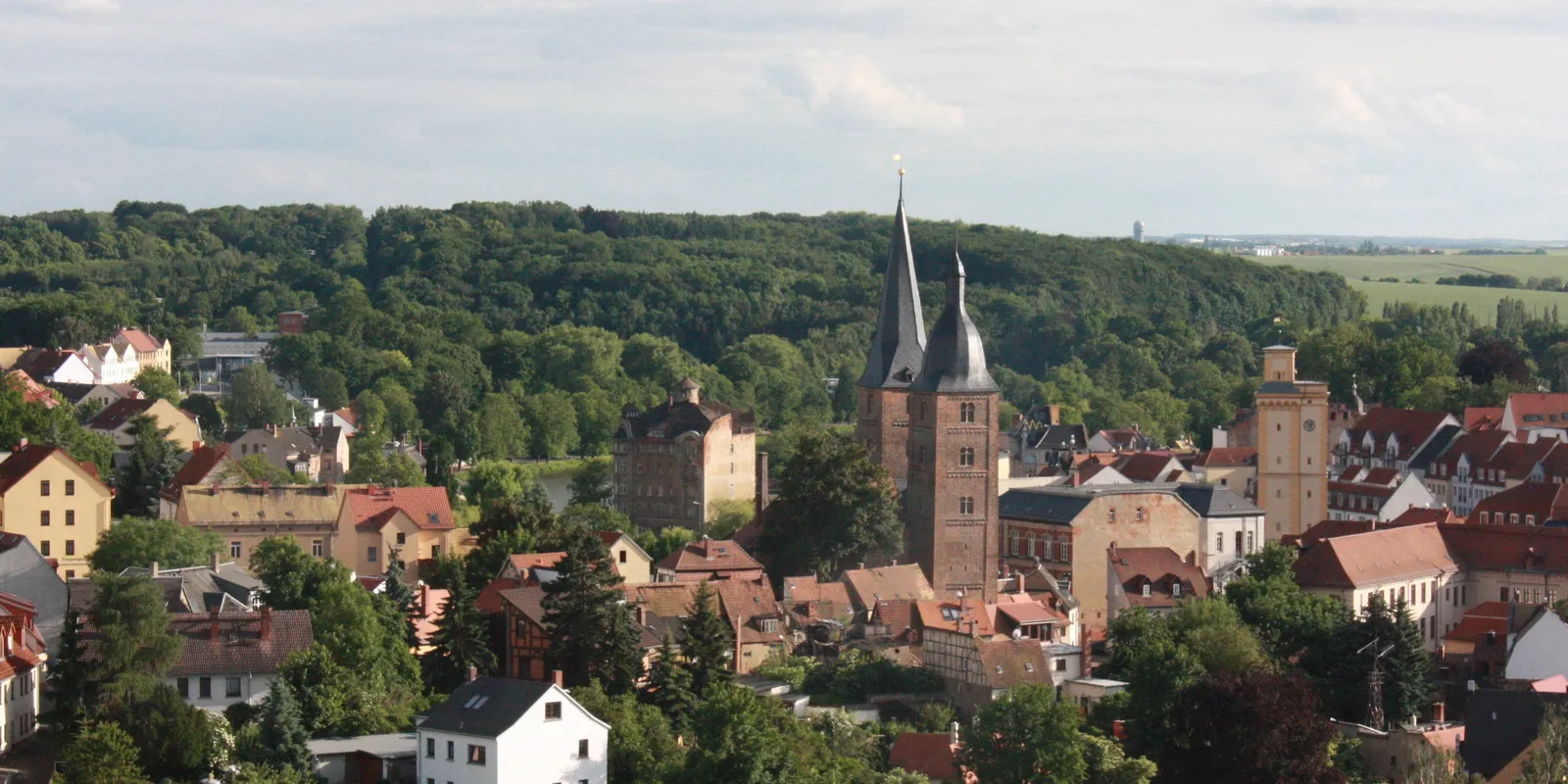
Altenburg: the German home of playing cards
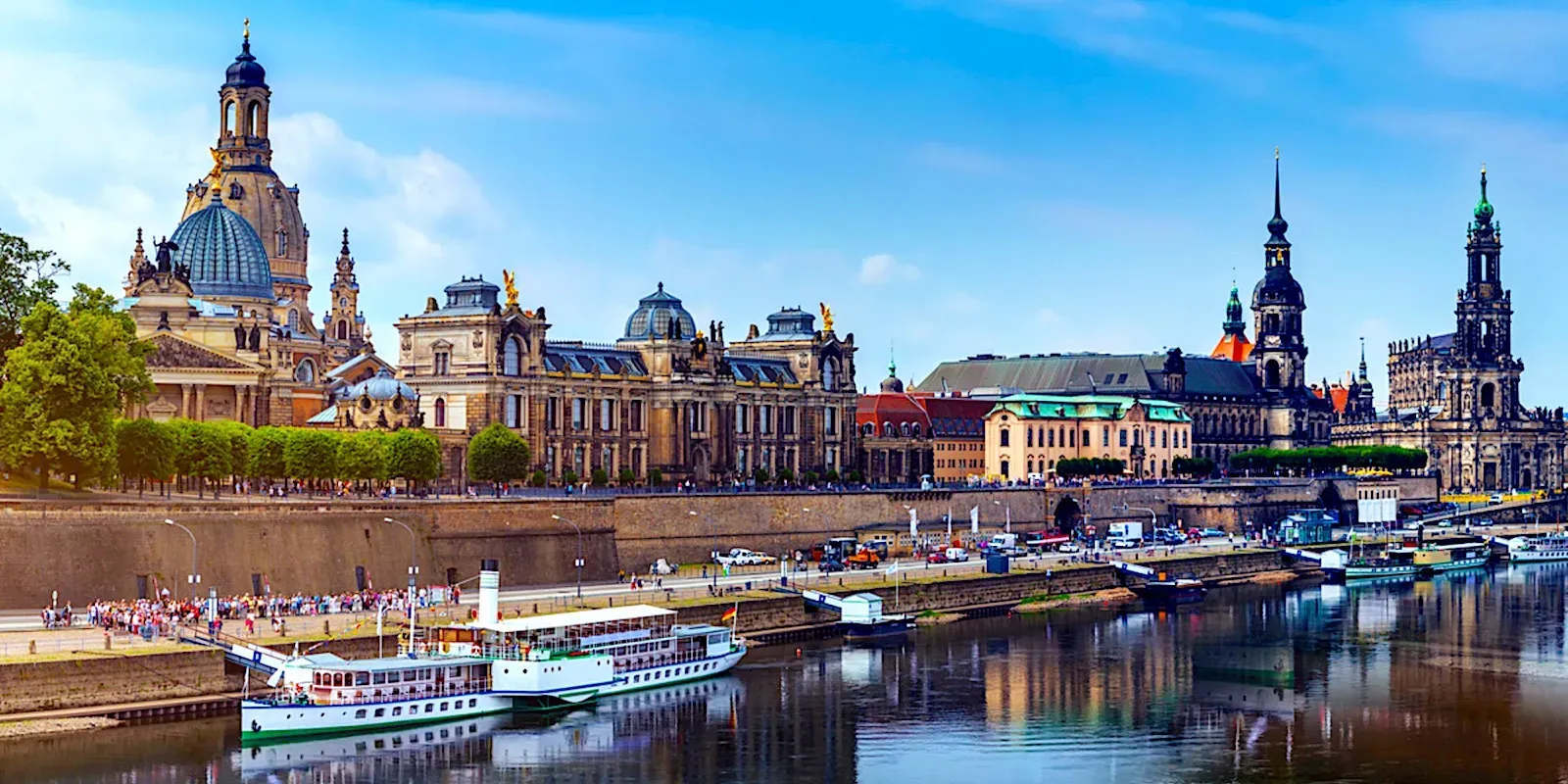
Dresden: reborn from its own ashes

Newport News Williamsburg International Airport: where to stay, areas and recommended hotels

Arvidsjaur Airport: where to stay, areas and recommended hotels

Cancelled flight: what are your rights under EU Regulation 261/2004