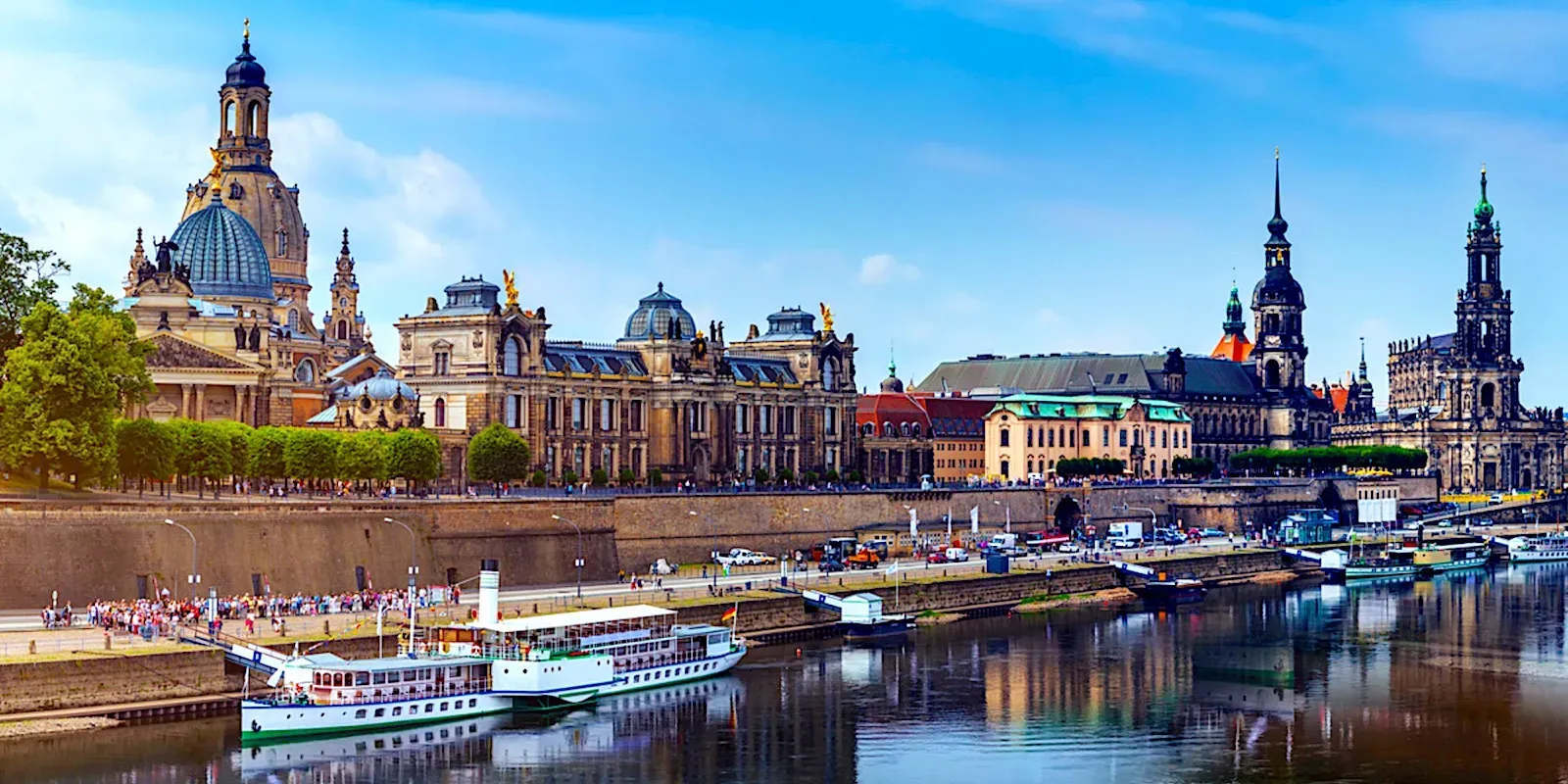

Dresden: reborn from its own ashes
Almost completely destroyed by Allied bombing in 1945, Dresden has painstakingly rebuilt its Baroque center, Stone by stone, restoring it to its former appearance.
The center, rebuilt stone by stone after the 1945 bombings, is comfortably explored on foot around the Frauenkirche.
The Frauenkirche, reduced to rubble by bombing, was rebuilt only after German reunification using also the original blackened stones, still recognizable on the facade today.
Just steps away, the Zwinger, a complex of eighteenth-century Baroque pavilions, houses one of Germany's most important galleries of old paintings, with works by Raphael and Vermeer.
Continuing on, you walk along the Fürstenzug, a mural over one hundred meters long composed of twenty-four thousand porcelain tiles depicting Saxon sovereigns.
Towards evening, the Brühl Terrace, nicknamed 'the balcony of Europe', offers a view of the Elbe and the restored roofs of the historic center, golden in the sunset light.
The blackened stones still visible on the Frauenkirche's facade are not flaws: they were deliberately left in place to remember the destruction the city suffered in 1945.
The Fürstenzug mural survived bombing nearly intact precisely because it was made of Meissen porcelain tiles, far more heat-resistant than traditional frescoes.
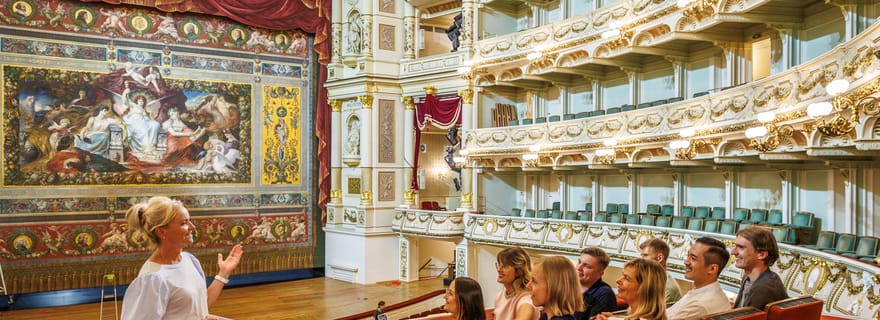
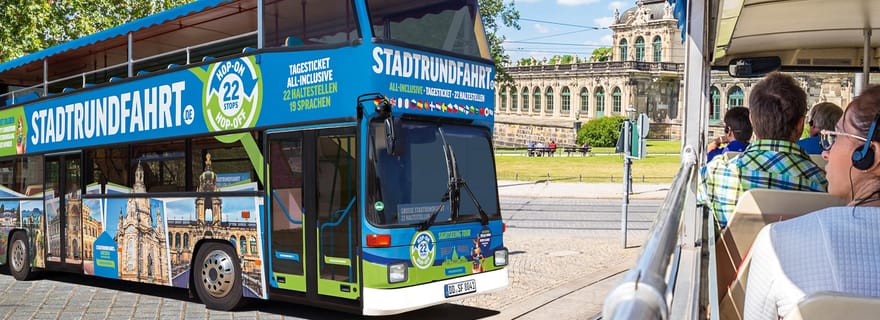
Guided tours and experiences in Dresden

Related articles

You might also like...
Altenburg: the German home of playing cards
Leipzig: the city of the peaceful revolution

Vagar Airport: where to stay, areas and recommended hotels

Dr. António Agostinho Neto International Airport: where to stay, areas and recommended hotels

KLM Royal Dutch Airlines: The World's Oldest Airline Still in Operation