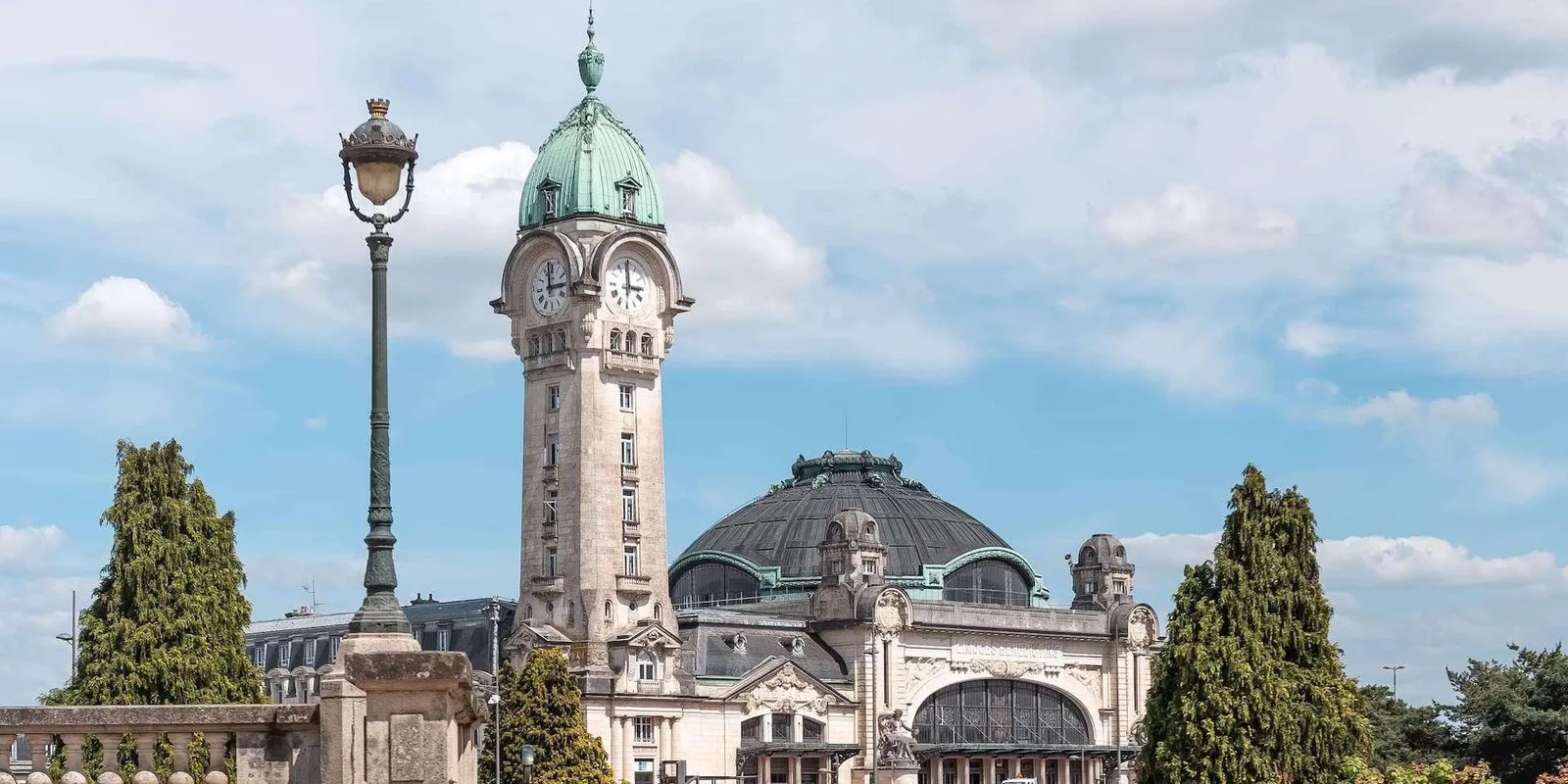

Limoges: the porcelain that conquered the world
The discovery of a kaolin deposit in the 18th century transformed Limoges into the world's fine porcelain capital, still produced according to traditional techniques.
The centre, famous worldwide for porcelain, is easily explored on foot.
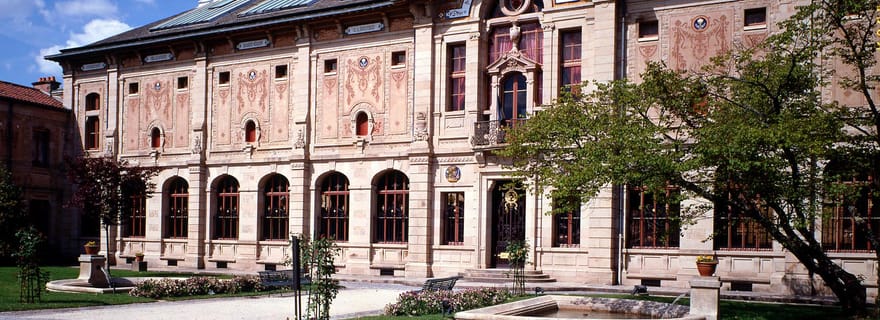
The National Adrien Dubouché Museum houses one of the richest collections of Limoges porcelain in the world, from early eighteenth-century pieces to contemporary works.
A short walk away, the Cathedral of Saint-Étienne, constructed over six centuries, blends diverse Gothic styles accumulated during its long building campaign.
Continuing on, you visit the Boucherie district, the historic quarter of medieval butchers, with timber-frame houses still inhabited by families of the same profession.
Toward evening, a historic manufactory in the city offers guided tours of the porcelain production process, from kaolin processing to final hand-decoration.
The kaolin discovered near Limoges in 1768 proved of such high quality that local porcelain became competitive with Chinese porcelain, which had been considered unmatched in Europe until then.
The Boucherie district maintained for centuries the custom of passing down the butcher's trade from father to son, a rare corporate tradition that survived into recent times.
Guided tours and experiences in Limoges
Related articles
You might also like...
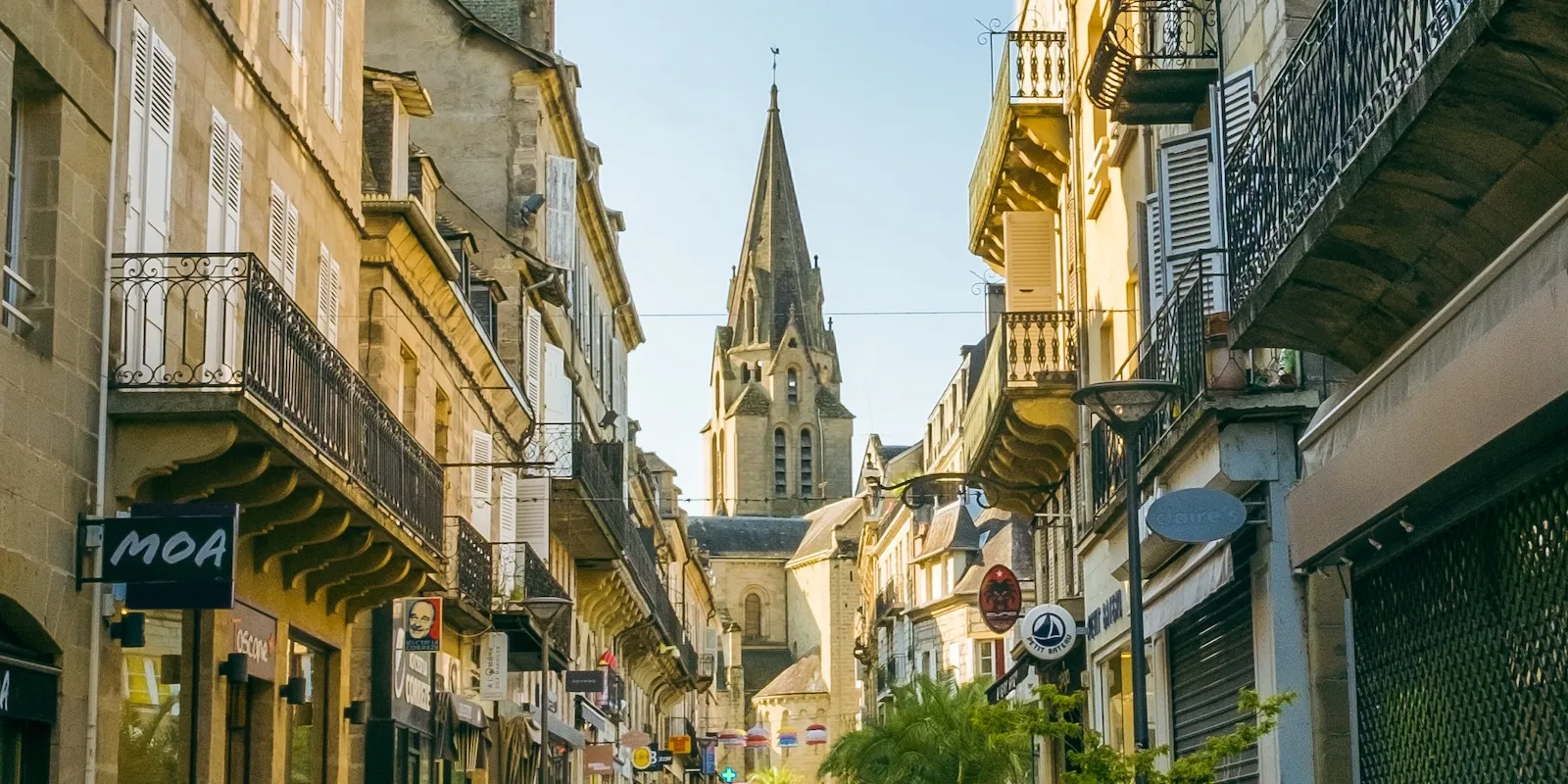
Brive-la-Gaillarde: the gateway to Lascaux and Rocamadour
Angoulême: the world capital of comics

How to handle your first flight

Vagar Airport: where to stay, areas and recommended hotels

Moulay Ali Cherif Airport: where to stay, areas and recommended hotels