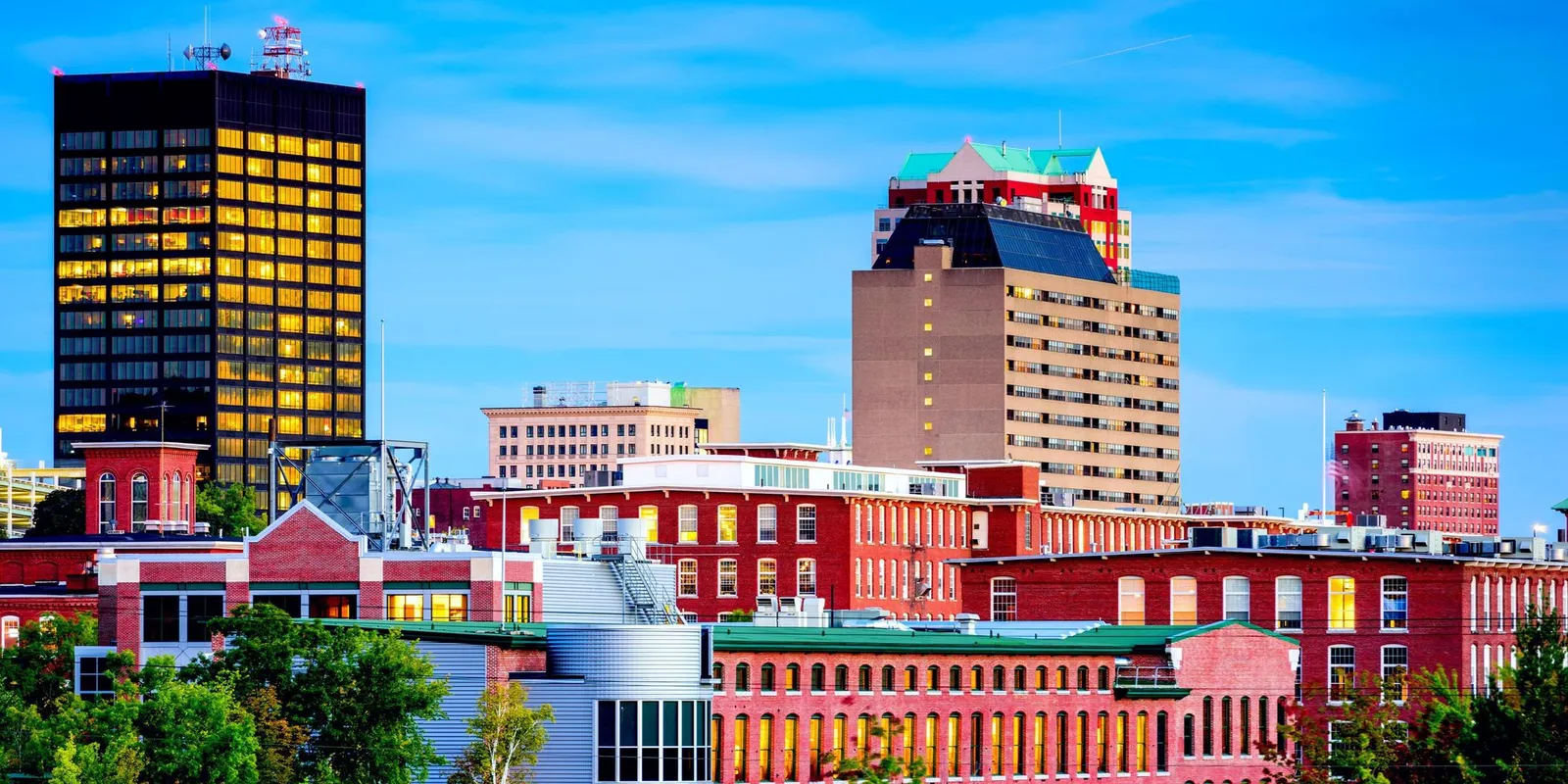

Manchester: the small city of New Hampshire
Grown around one of the world's largest textile mill complexes in the nineteenth century, Manchester in New Hampshire has converted its mills into galleries, offices, and museums.
The center, grown around former textile mills on the Merrimack River, is comfortably explored on foot.
The Amoskeag Mills, once the world's largest textile complex, extend for over a kilometer along the Merrimack River, today converted into offices, apartments, and cultural spaces.
A few steps away, the Millyard Museum tells the story of the city's industrial history through original machinery and testimonies of textile workers.
Continuing on, you reach the Currier Museum of Art, which displays European and American works alongside one of the few Frank Lloyd Wright houses open to the public in New England.
Towards evening, the pedestrian center of Elm Street offers restaurants and venues in 19th-century buildings linked to the golden age of the textile industry.
At their peak, the Amoskeag Mills employed tens of thousands of workers, many of them newly arrived immigrants from Europe, making Manchester one of the most dynamic industrial cities in New England.
The decline of American textile manufacturing in the twentieth century left the mill buildings vacant for decades, only recently repurposed as office space, galleries, and civic spaces.
Related articles

You might also like...
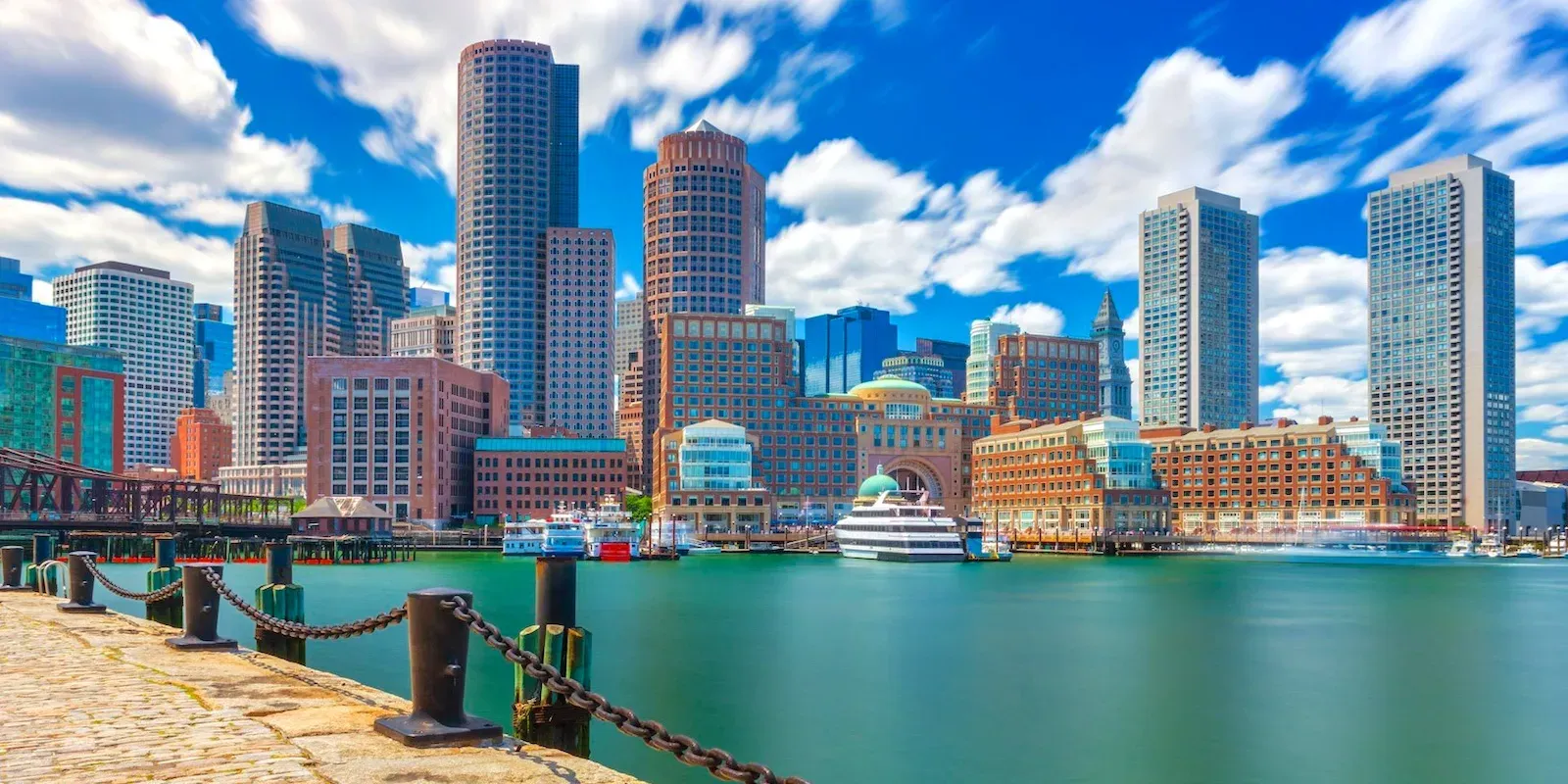
Boston: what to see in 1 day
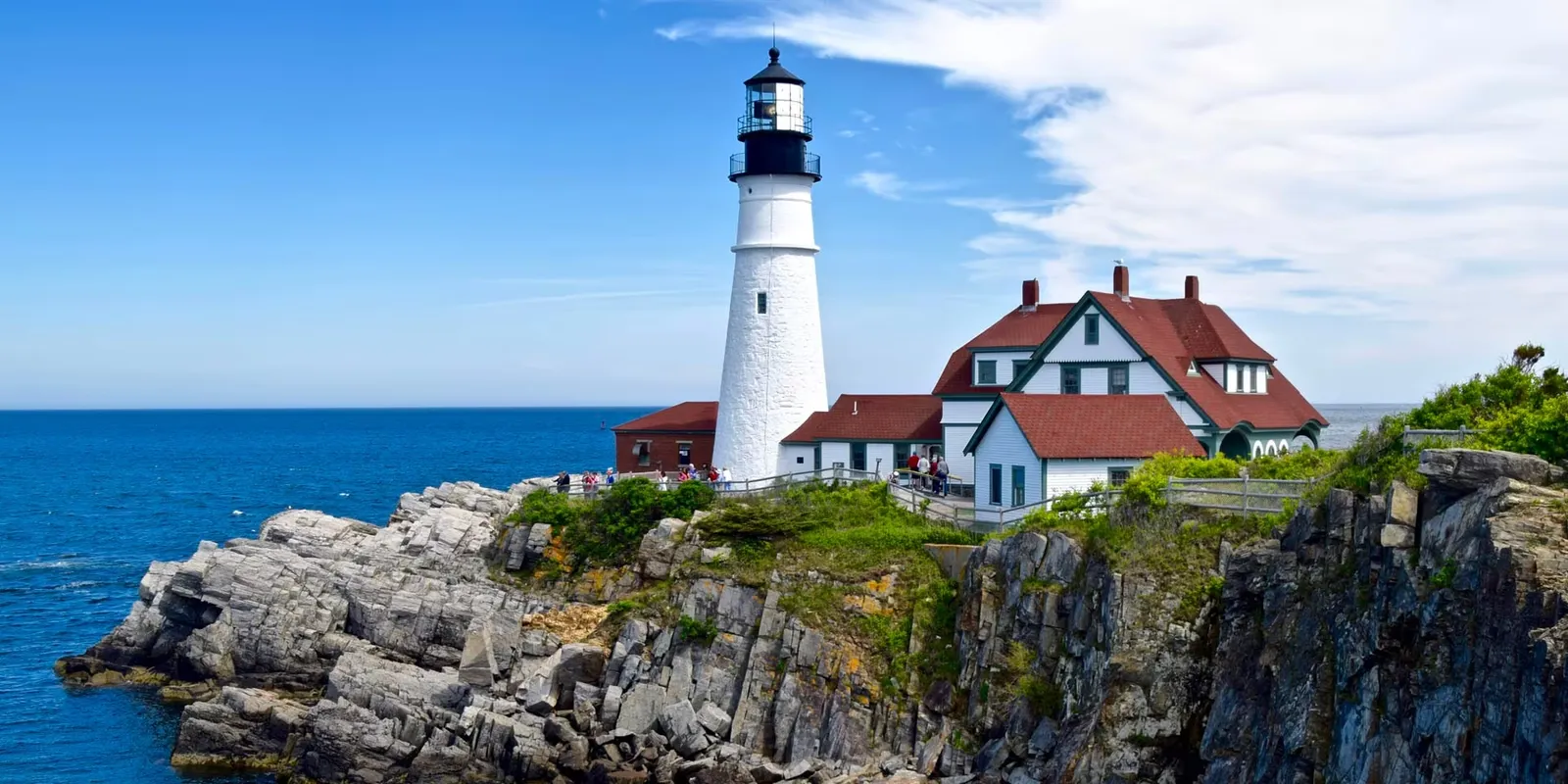
Portland: lobsters and lighthouses on the Maine coast

Kelowna International Airport: where to stay, areas and recommended hotels

Poznań-Ławica Airport: where to stay, areas and recommended hotels

Fear of flying: what the numbers say and where to find help