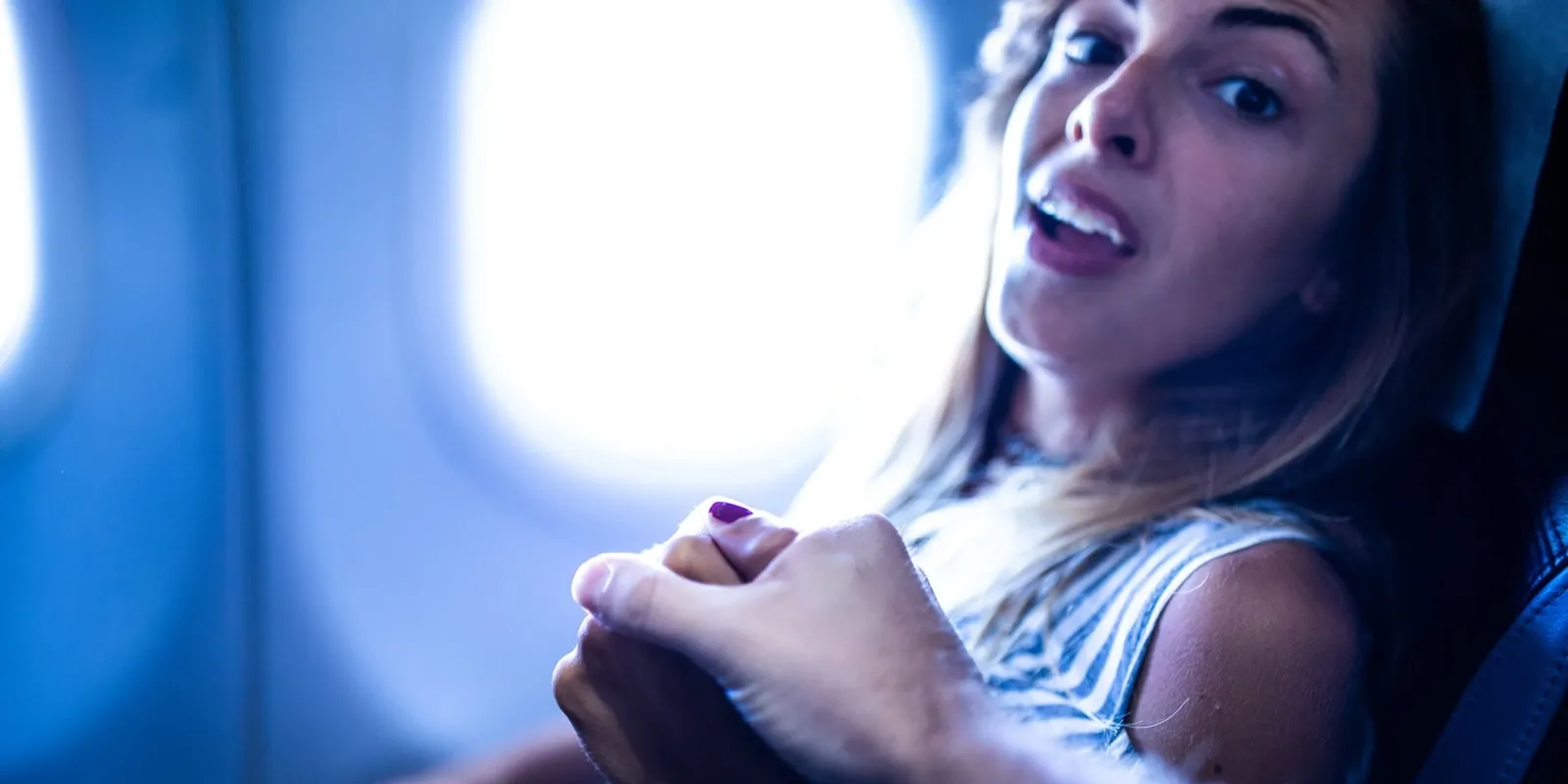
Fear of flying: what the numbers say and where to find help
According to the air safety report published by IATA, in 2025 38.7 million commercial flights were operated with just 51 incidents, roughly one every 759,000 flights: a figure alone that puts many of the most widespread fears into perspective. Beyond the most common coping strategies, knowing these numbers and where to seek professional help tailored to fear of flying makes a difference for those suffering from aviophobia.
The numbers of air safety
In 2025, there were eight fatal accidents worldwide, for a total of 394 victims: a grave figure in itself, but one that must be read against the total number of flights operated. The rate of fatal accidents has improved compared to the recent past, rising from approximately one every 3.5 million flights in the 2012-2016 period to one every 5.6 million today. Comparison with other modes of transportation also confirms this picture: according to estimates from the National Safety Council on lifetime odds, the risk of dying in a car accident is approximately 1 in 102, versus approximately 1 in 205,000 for an airplane accident. These are numbers calculated on different statistical bases from case to case, but the distance between the two figures remains an enormous order of magnitude.
Courses for those afraid of flying
Some airlines have activated dedicated programs for those suffering from fear of flying. ITA Airways offers "Voglia di Volare", a two-day experience at the airline's training center with flight simulators in virtual reality, meetings with pilots and crew, psychological and aeronautical training, a test flight to an Italian destination, and a year of follow-up support. easyJet instead offers "Fear Less Flyer", an online course with 16 interactive video modules led by a sector specialist. The Lufthansa group, together with Swiss and Edelweiss, organizes the "Fit to Fly" seminar in Zurich for those living in Switzerland or border areas.
Therapy and apps: when more targeted support is needed
For more intense cases, cognitive behavioral therapy based on gradual exposure remains the approach with the most solid proof of effectiveness: studies report success rates ranging from 67% to 96% depending on the protocol, results often achieved in a limited number of sessions rather than years of treatment. Among dedicated apps, SkyGuru was developed by a pilot with psychology training and uses smartphone sensors along with professional weather data to explain in real time, during flight, what causes each noise or movement you perceive.
If anxiety is strong and recurring, the most practical step is just one: ask your GP or a psychologist for a referral to a professional specialized in cognitive behavioral therapy for specific phobias, instead of relying solely on last-minute remedies the night before your flight.
You might also like...
VivaAerobus: Fares, Baggage and the Real Cost of Mexican Low-Cost Flying
Jet lag: effective remedies to recover quickly
Layover: how to handle it without anxiety

Aarhus Airport: where to stay, areas and recommended hotels

Cardiff International Airport: where to stay, areas and recommended hotels