Melilla: Spanish modernism on the African coast
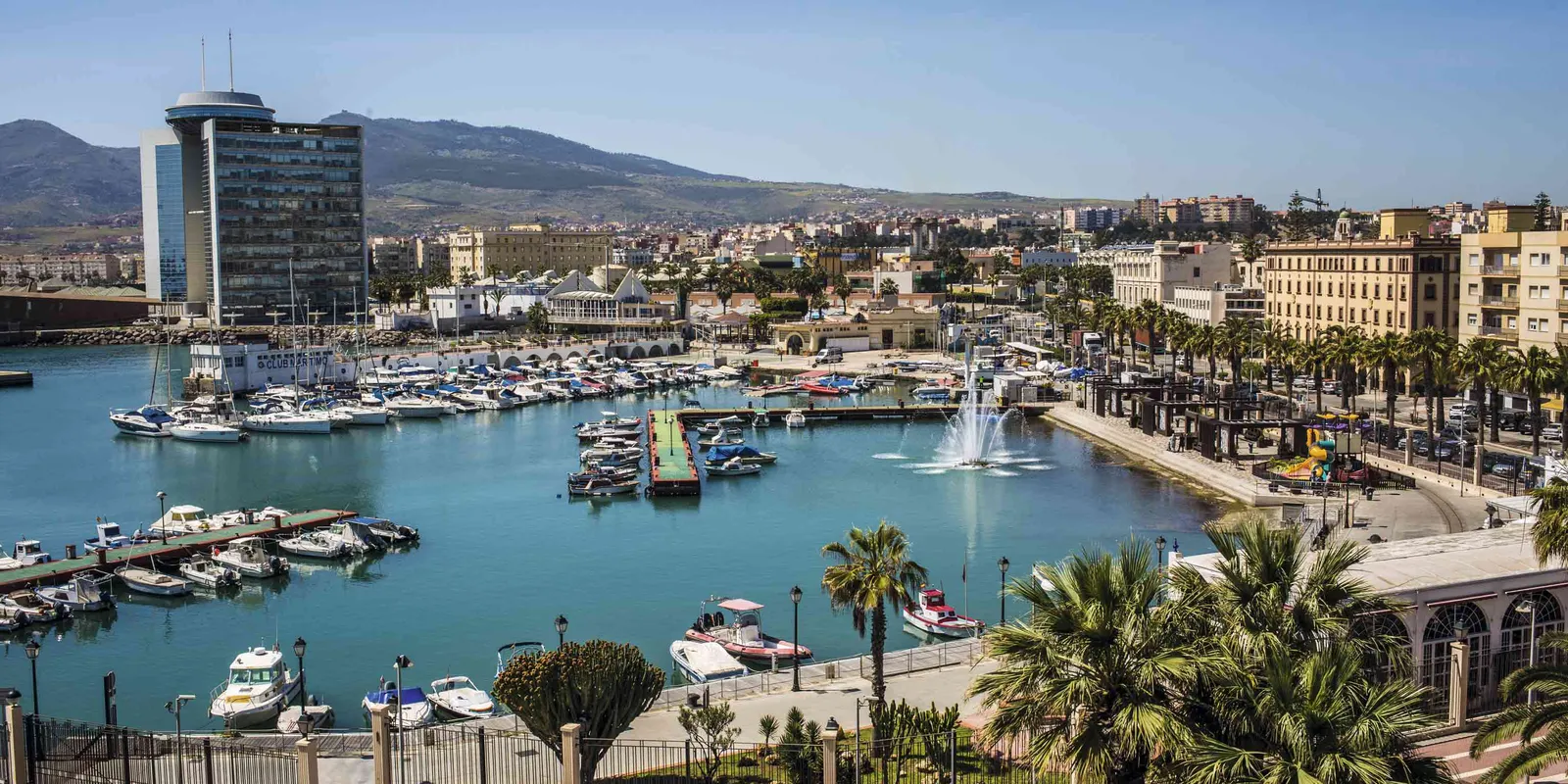
Spanish autonomous city on Morocco's coast, Melilla hides Spain's second-largest concentration of modernist buildings behind its sixteenth-century fortress, after Barcelona.
The modernist center is comfortably explored on foot in a few hours.
Perched on a rocky promontory, Melilla la Vieja, a star-shaped fortress conquered by the Spanish in 1497, still encloses the city's oldest nucleus.
Exiting the walls, one walks through the new city, where architect Enrique Nieto, close to Gaudí's school, designed dozens of Modernist buildings at the turn of the 20th century.
Continuing along the main streets, one observes Art Nouveau façades that recall Barcelona more than the rest of Spain's African cities, with original floral decorations and wrought iron.
Towards evening, the city waterfront offers a view over the short stretch of coast separating the Spanish enclave from the surrounding Moroccan territory.
Enrique Nieto moved to Melilla precisely while the city was experiencing a building boom due to its military and commercial role, finding here the space to apply a style that Barcelona had already been dominated by Gaudí himself.
Melilla remains, along with Ceuta, one of only two land borders of the European Union with the African continent, a geographic peculiarity often unknown to those who've never visited.
Related articles

You might also like...
Nador: the blue lagoon on the Moroccan Mediterranean
Al Hoceima: the turquoise bay of the Moroccan Rif

Diosdado Macapagal International Airport: where to stay, areas and recommended hotels

How to reduce stress in the days before leaving

Low-cost airlines: how to avoid unnecessary extra fees