How to avoid delays in your transfer to the airport
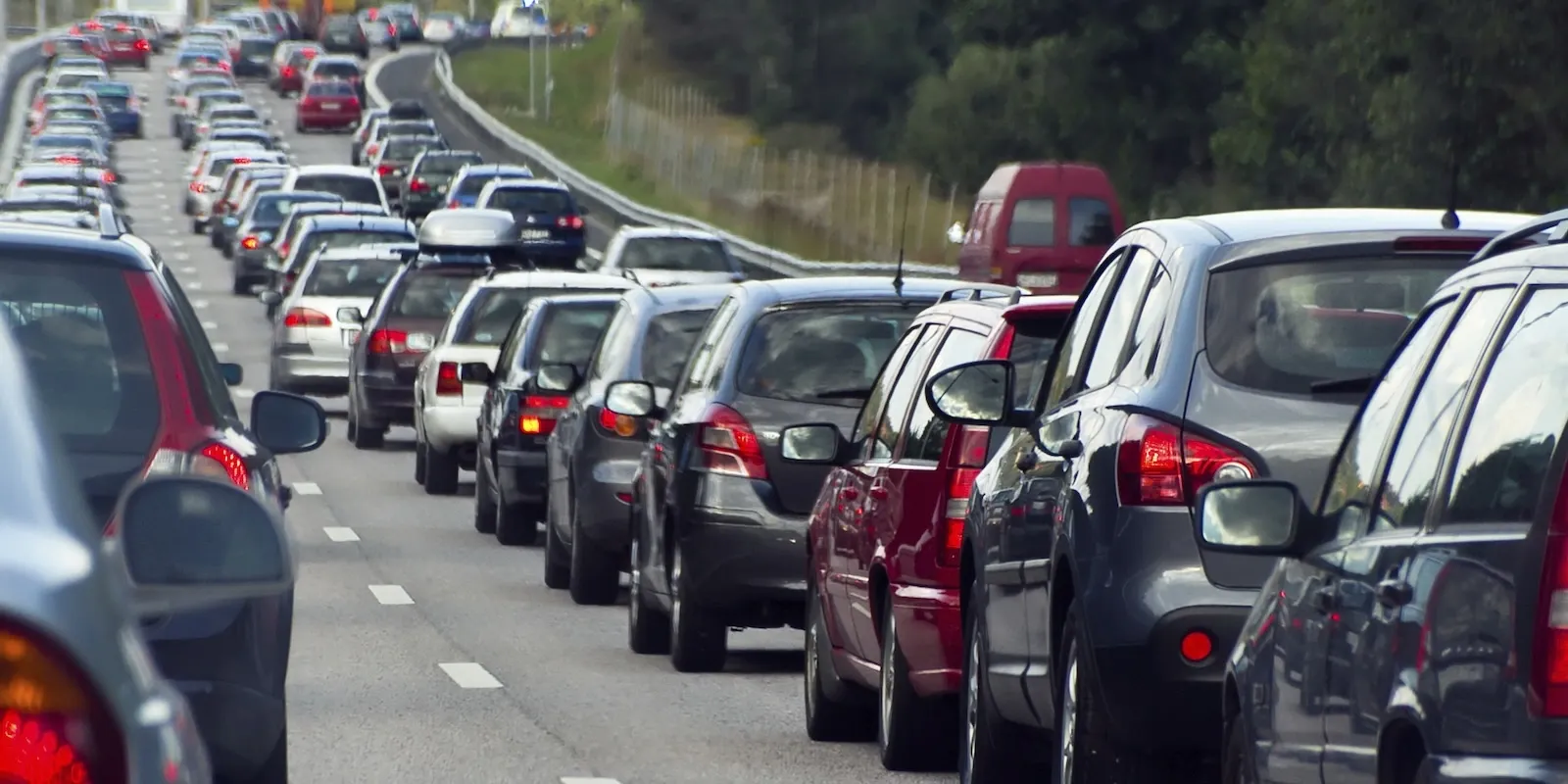
The airport transfer remains exposed to variables that no planning completely eliminates: unexpected traffic, weather conditions, vehicle breakdowns, or transport strikes. Anticipating these specific risks, instead of applying the same generic safety margin to every trip, is what really makes the difference between arriving on time and risking missing boarding.
Traffic, weather, and events: how to estimate them with real data
A mobility application with historical traffic data for that specific day and time slot offers a much more precise indication than an estimate based on past experiences in different conditions. It's also good to check any demonstrations, public events, or roadworks scheduled along your usual route, usually announced by official municipal channels, and weather forecasts: intense rain, snow, or fog slow traffic well beyond normal and justify a larger safety margin than usual.
The transportation method and Plan B
For those using their own car, checking fuel level and tire pressure in the days before reduces the risk of a breakdown on departure day; for those relying on a taxi or transfer service, choosing operators with recent and reliable reviews reduces the likelihood of delays related to inefficient management. Having a second service number or a nearby public transportation stop ready nonetheless offers a concrete safety net if the main vehicle doesn't show up.
If the delay is accumulating during the journey
As soon as you notice a delay forming, the right move is to contact the transportation service when possible to verify alternative routes suggested by those who know the area, or alert someone already at the airport. Knowing in advance at least a second road to the airport, even if longer, is useful when an accident or unexpected event blocks your usual route before your mobility app can warn you.
How much safety margin is really needed
In the days before your trip, checking local news to rule out transport strikes or scheduled demonstrations can completely change your transfer strategy for that day. For trickier trips, like a tight connection or an intercontinental flight, it's worth applying a larger than normal safety margin: arriving with more advance than necessary costs less, in terms of stress, than any attempt to make up minutes along the route. If despite all precautions the flight is missed anyway, our guide on what to do in the first minutes after missing a flight explains the concrete steps to follow.
Calibrate your safety margin to the real situation on the day - expected traffic, weather, any strikes - instead of always using the same number of minutes: this, more than any other precaution, reduces the risk of a missed boarding.
You might also like...

El Arish International Airport: where to stay, areas and recommended hotels

Airport transfer: arriving at your destination stress-free

Adana Airport: where to stay, areas and recommended hotels
At London Heathrow Airport: a quick arrival guide

Kansai airport lounges: which one to pick at Osaka's airport