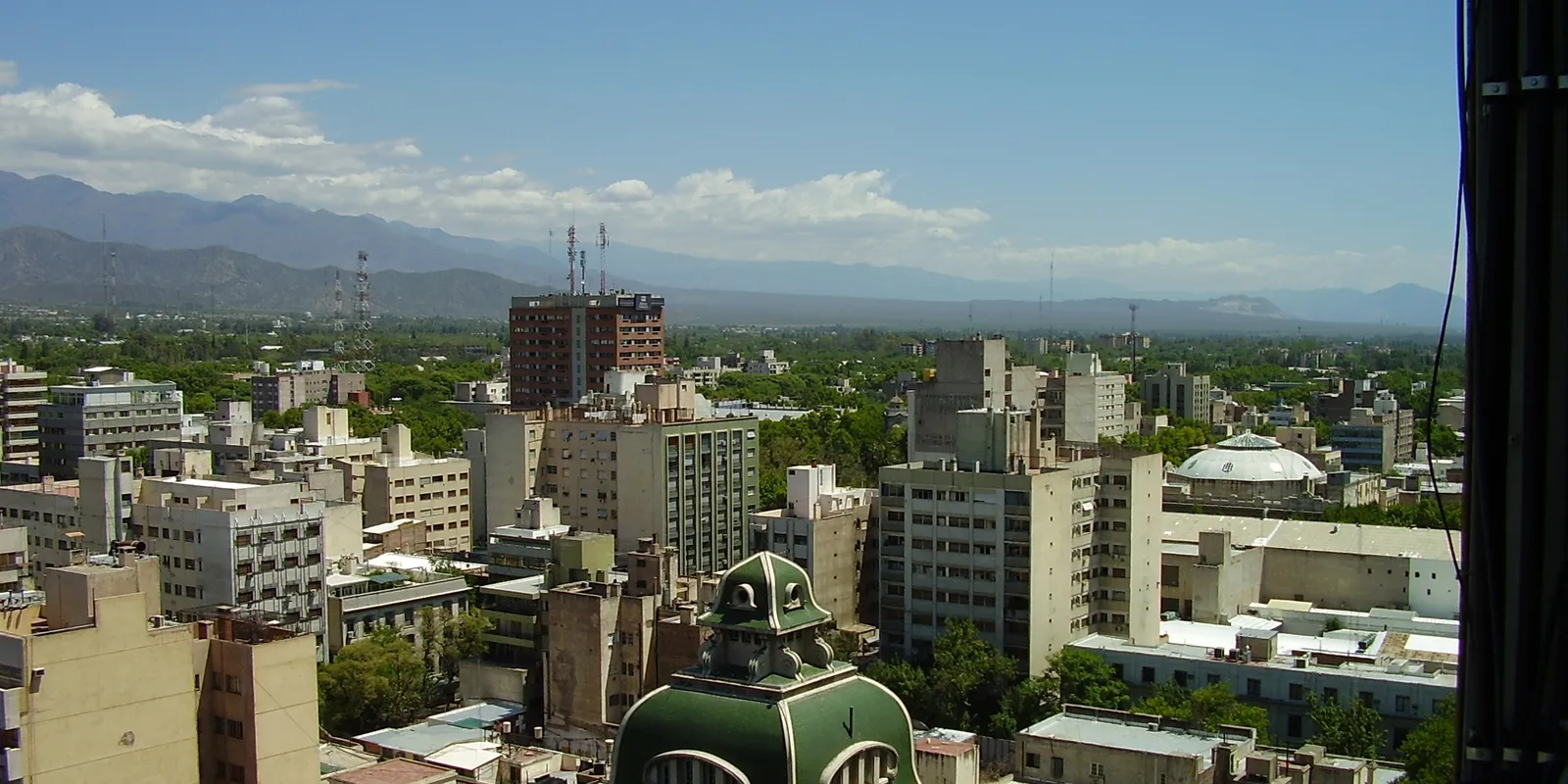

Mendoza: Argentina's wine capital
Built at the foot of the Andes after being nearly leveled by an earthquake in 1861, Mendoza was reborn with broad tree-lined avenues and irrigation canals that today also sustain the region's Malbec vineyards.
The center can be explored on foot; wine cellars require a car or organized tour outside the city.
The day begins at Plaza Independencia, the green heart of the city rebuilt after the nineteenth-century earthquake, with crafts stalls on weekends and an art museum underground.
Just steps away, General San Martín Park extends over three hundred hectares, designed by the same landscape architect as Palermo Park in Buenos Aires, with an artificial lake and a stadium that hosted World Cup matches in 1978.
In the afternoon it's worth moving outside the city, to Luján de Cuyo and the Valle de Uco, where wineries pour Malbec from the same vineyards irrigated by the melting of Andean snow.
Returning toward the center in the evening, it's easy to notice the acequias, open-air canals conceived by the huarpe long before the arrival of the Spanish, which still today feed the trees lining city sidewalks.
Walk just one block in any direction and you'll hear water flowing under the trees: in Mendoza, the shade of the avenues is not mere decoration, it's indigenous hydraulic engineering that has remained in use for centuries.
Every March, when the harvest is complete, the National Grape Harvest Festival fills the streets with allegorical floats and crowns its own queen in an amphitheater carved into the Cerro de la Gloria.
Guided tours and experiences in Mendoza
Related articles


You might also like...
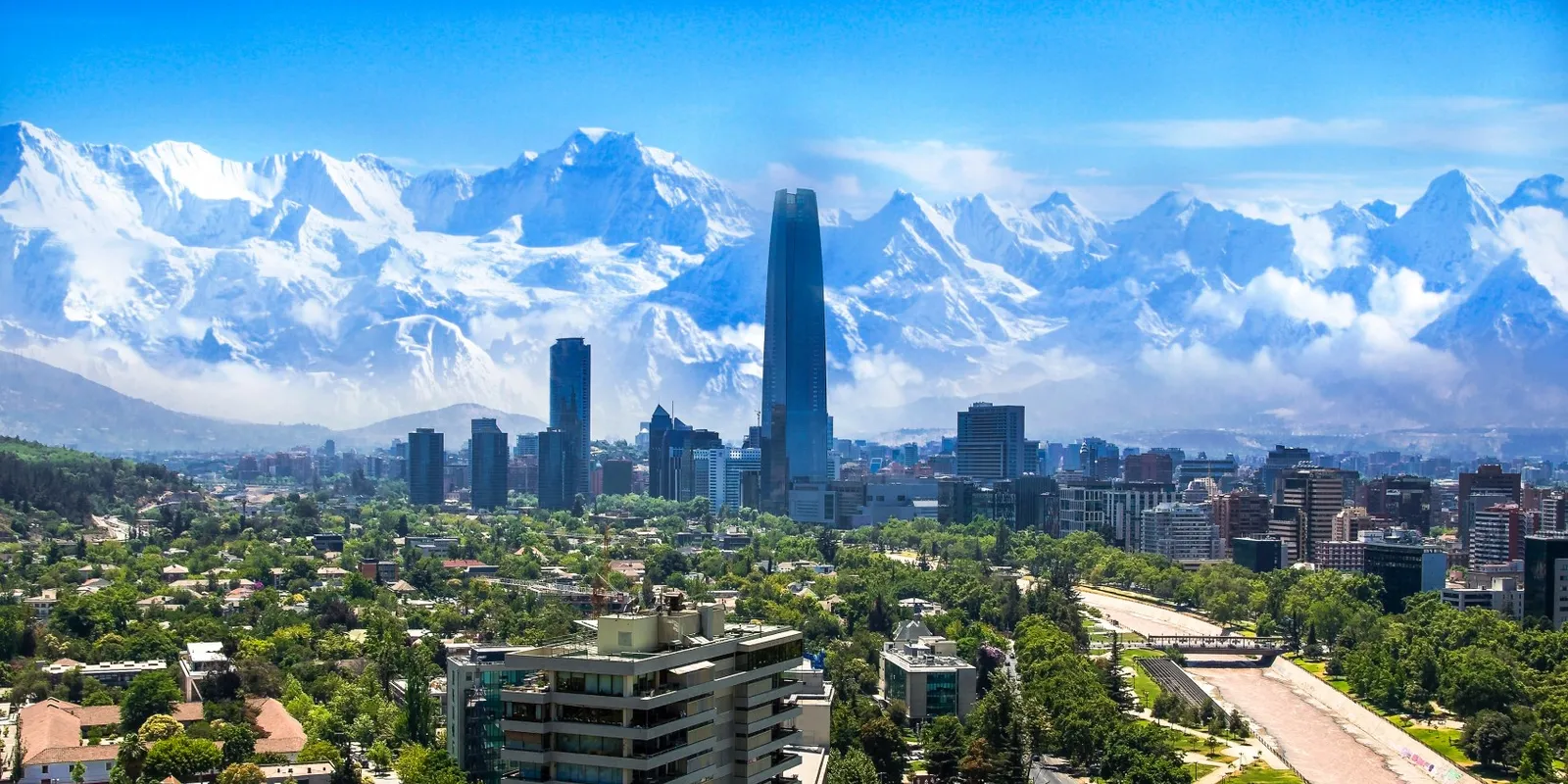
Santiago, Chile: what to see in 1 day
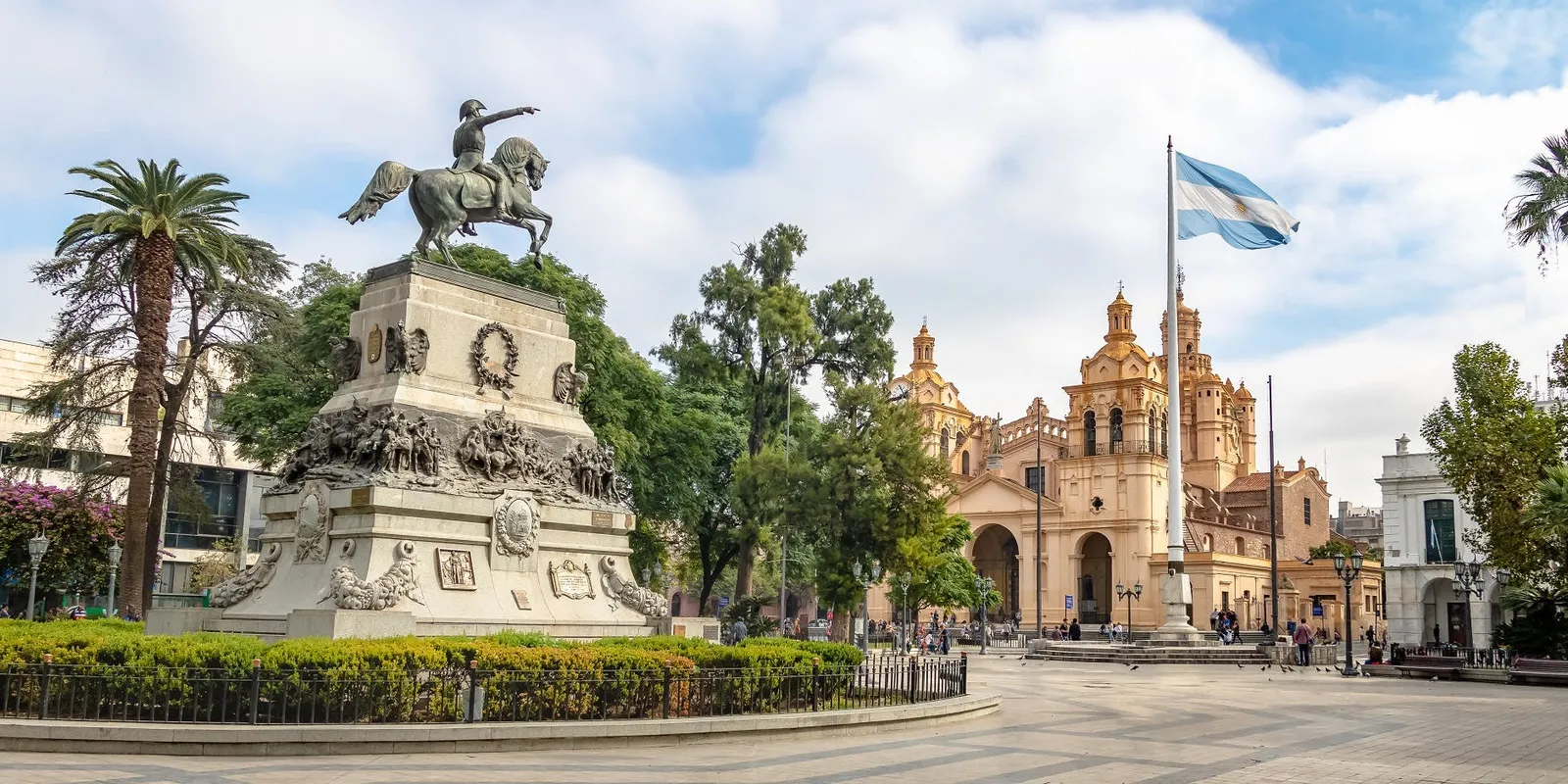
Córdoba: the Jesuit Block and the colonial university

Gazpromavia: The Corporate Aviation Arm of Russia's Gas Giant, Between VIP Jets and Charters

Lyon Saint-Exupéry Airport: where to stay, areas and recommended hotels

Boutique Air: How the American Carrier of Pilatus PC-12s and Subsidized Essential Air Service Routes Works