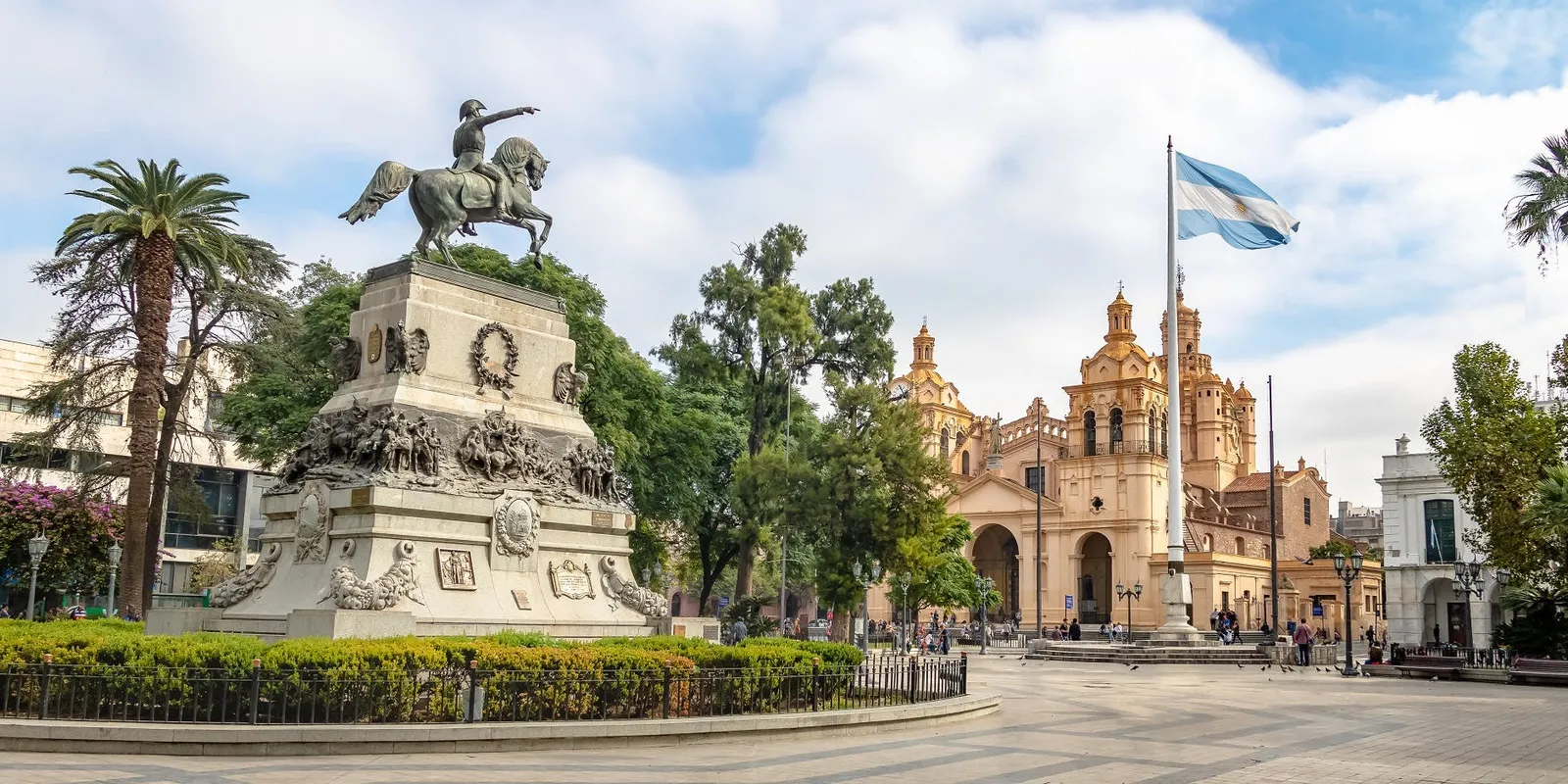

Córdoba: the Jesuit Block and the colonial university
Founded in 1573, Córdoba was for centuries the leading religious and university center of colonial South America, a role that earned it UNESCO recognition for its Jesuit precinct.
The historic center is compact and can be explored entirely on foot.
Founded in 1613, the National University of Córdoba is among the oldest in the Americas and is part, together with the Church of the Company of Jesus, of the Manzana Jesuítica UNESCO World Heritage site since 2000.
Just steps away, the Cabildo, seat of the colonial government overlooking Plaza San Martín, still preserves eighteenth-century architectural features despite numerous renovations.
Right next to it, the Cathedral of Córdoba blends different styles — Renaissance, Baroque, Neoclassical — resulting from almost a century of construction work that was never entirely consistent with itself.
In the afternoon, the Paseo del Buen Pastor, a former convent and women's prison converted in 2007, today hosts art galleries and outdoor events.
The cells of the Buen Pastor, where female prisoners lived until just decades ago, today overlook a courtyard filled with outdoor cafés: few other buildings in the city tell such a radical story of transformation.
Studying at the National University of Córdoba in the 1600s meant following a path nearly identical to that of a European university of the same period, an anomaly for South America at the time.
Guided tours and experiences in Cordoba


Related articles

You might also like...
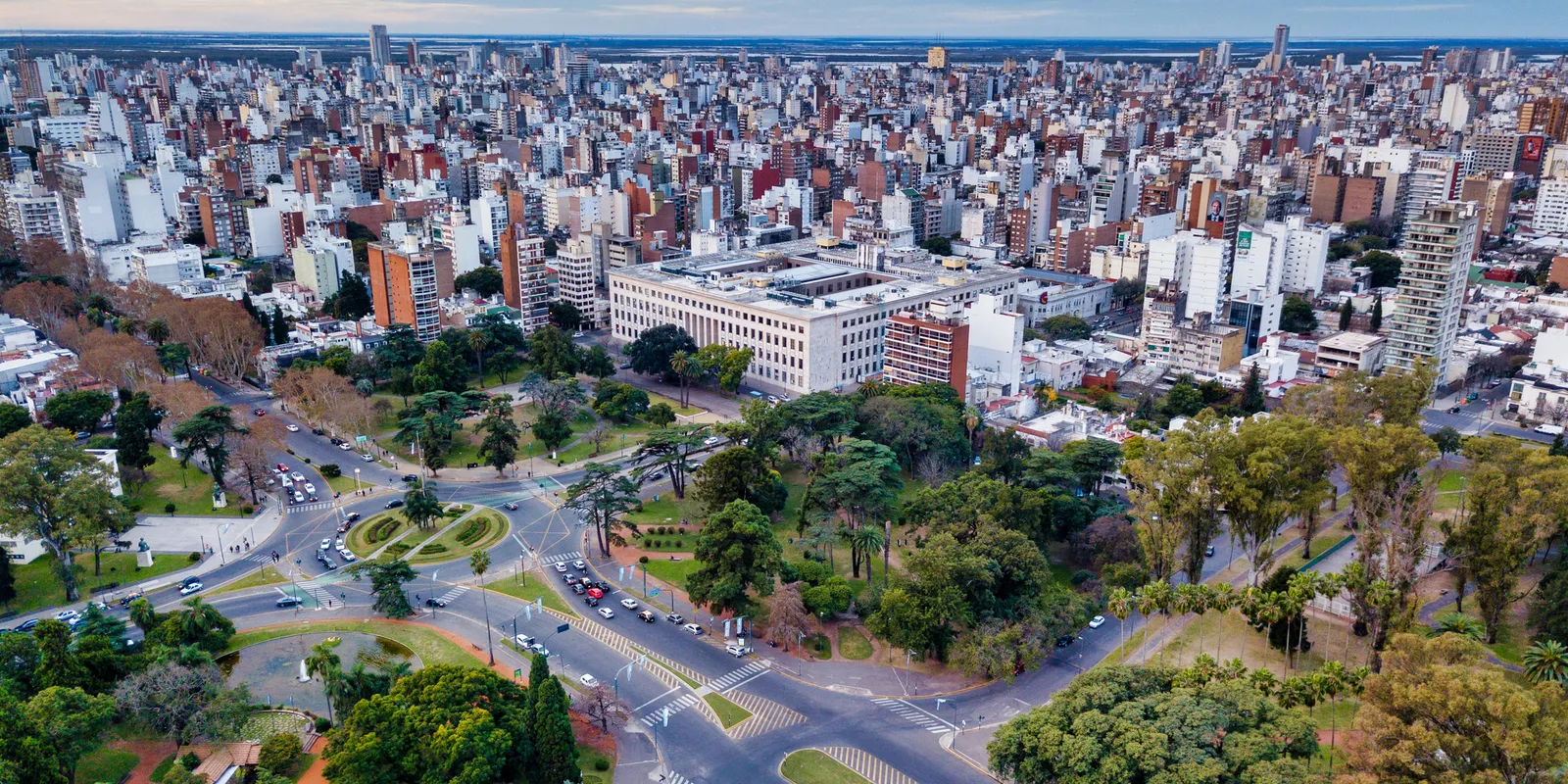
Rosario: where the Argentine flag was born
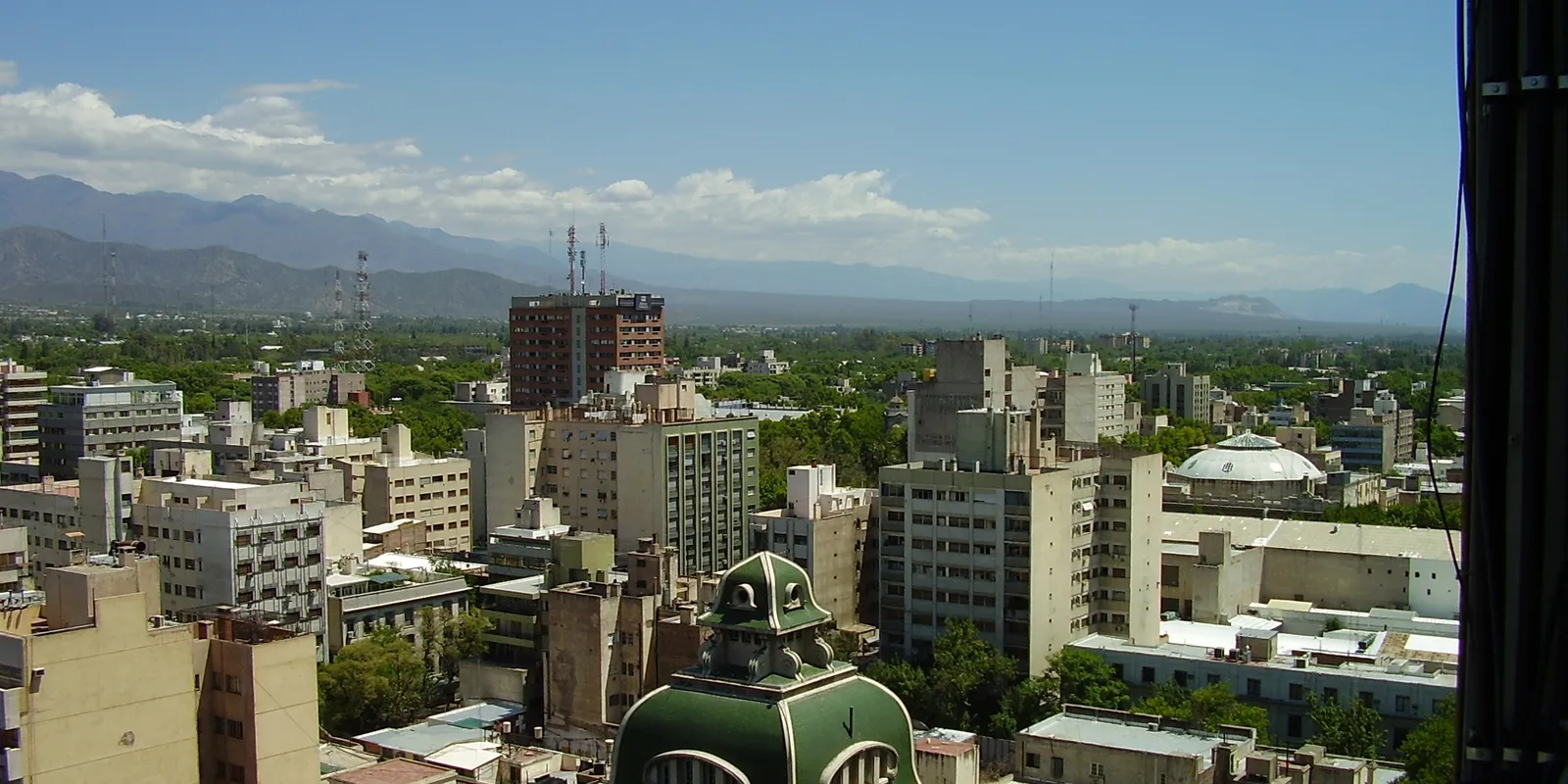
Mendoza: Argentina's wine capital

LongJiang Airlines: The Route Map From Northeast China

VietJet Air: How the Vietnamese Low-Cost Carrier Became a Huge Regional Airline

Alexander the Great International Airport: where to stay, areas and recommended hotels
