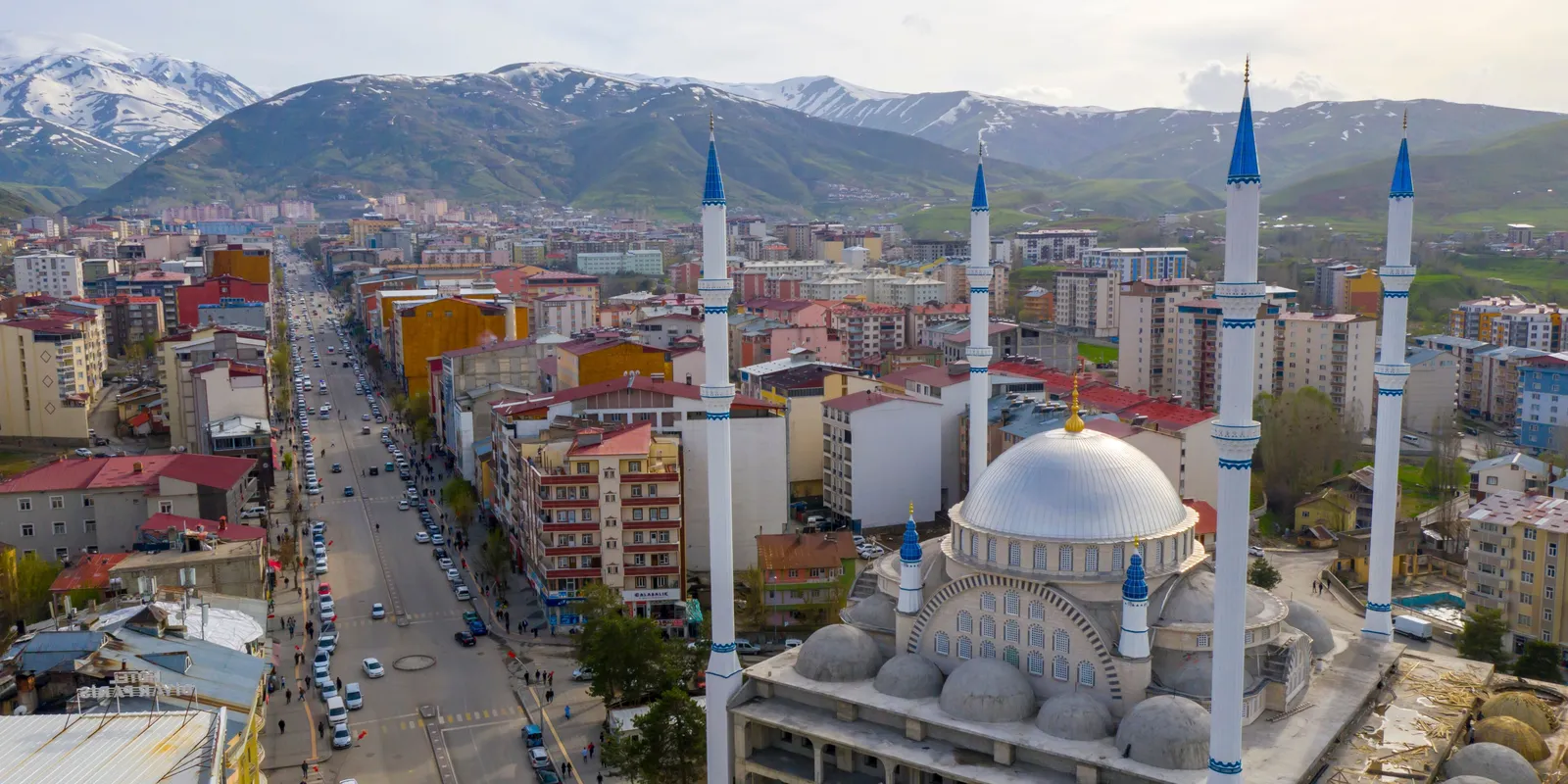

Muş: the plain at the foot of eastern Ararat
In eastern Anatolia, Muş remains immersed in a broad agricultural plain surrounded by snow-capped mountains for much of the year.
A car remains useful for exploring the plain at the foot of eastern Mount Ararat.
The Castle of Muş, a fortress of Urartean origin rebuilt multiple times over the centuries by various rulers, dominates the city from atop a rocky hill.
Minutes away, the Ulu Cami, a thirteenth-century mosque, remains one of the best-preserved Seljuk religious buildings of the region, with a carved stone minaret.
Heading toward the surrounding plain one observes cultivated fields that make Muş one of the Eastern Anatolian granaries, irrigated by rivers descending from nearby mountains.
As evening falls, local markets sell honey and traditional dairy products of the Armenian-Anatolian plateau, along with hand-woven carpets from Kurdish communities of the region.
Muş's plains, among Anatolia's most fertile and expansive, made the region an important agricultural center since Urartean times, over twenty-eight centuries ago.
Muş is located in a region historically inhabited by Armenians, Kurds, and Turks, with layered cultural heritage still visible in its religious monuments of different epochs and in local gastronomic traditions.
Related articles

You might also like...
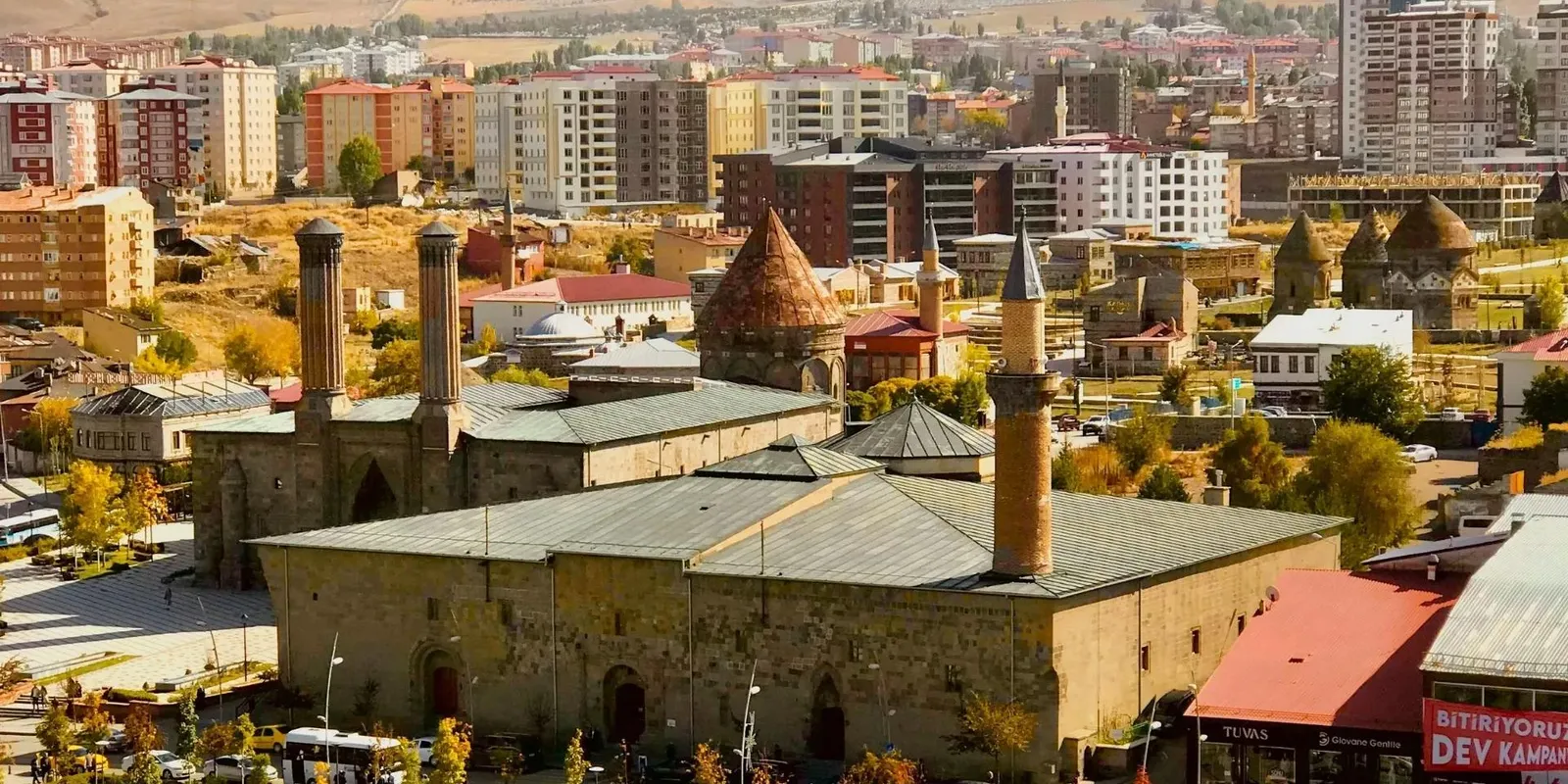
Erzurum: the ski gateway of eastern Anatolia
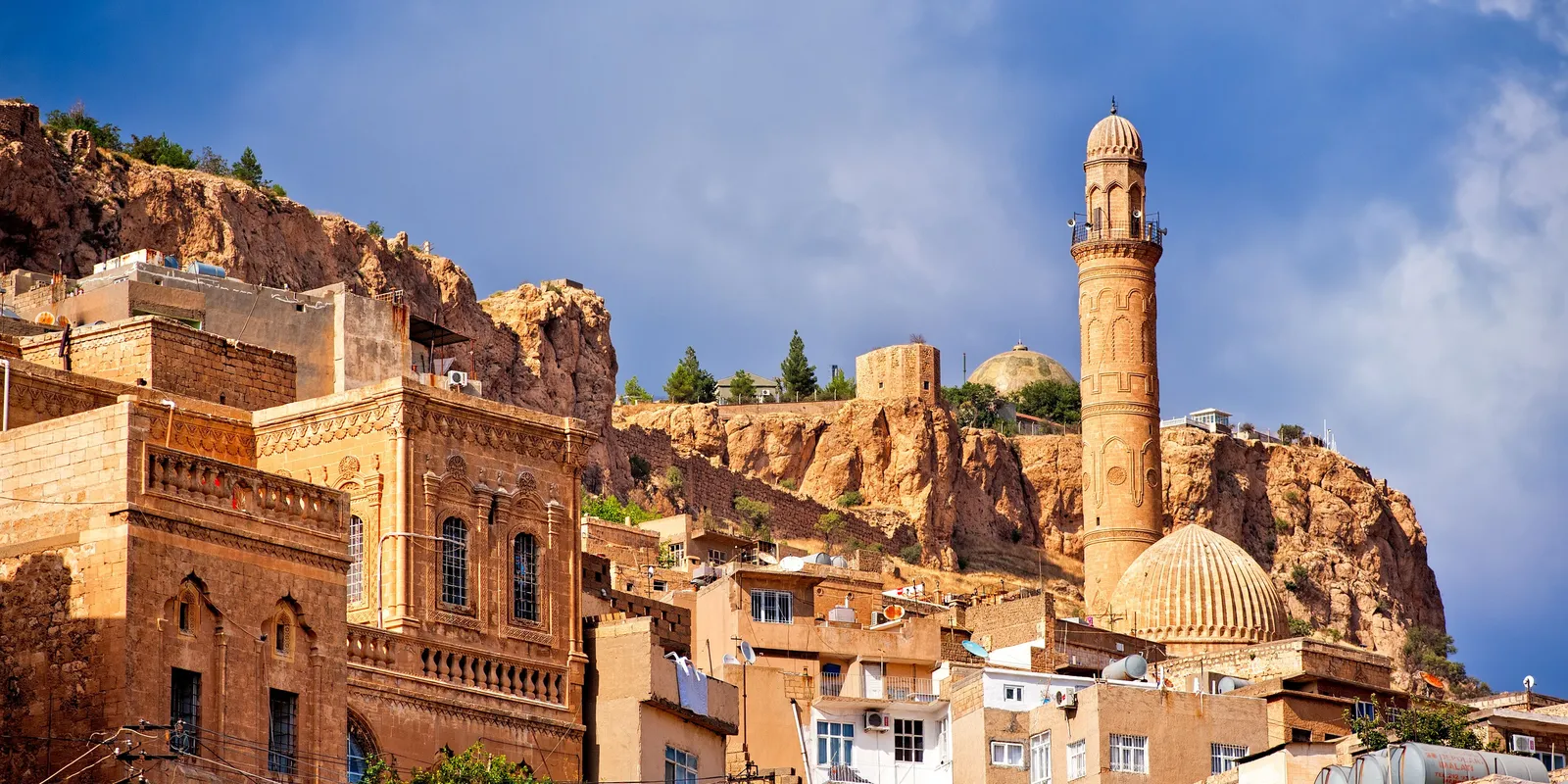
Diyarbakır: the black walls on the Tigris

Trieste Friuli Venezia Giulia Airport: where to stay, areas and recommended hotels

Savonlinna Airport: where to stay, areas and recommended hotels

Plane ticket refund: all the cases where you might be entitled