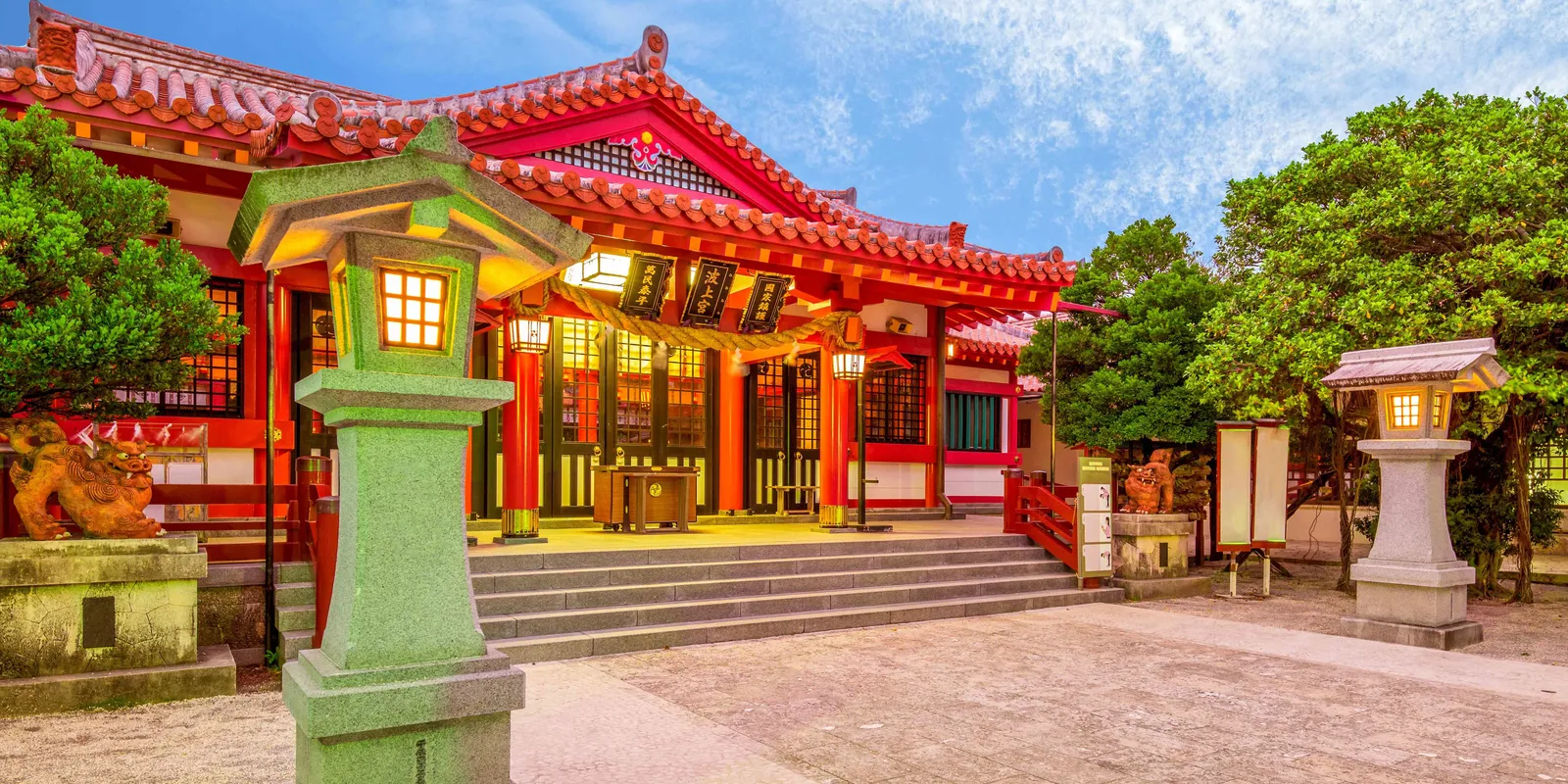

Naha: Shuri Castle and the Ryukyu soul
Capital of the ancient Ryukyu Kingdom before nineteenth-century Japanese annexation, Naha preserves a cultural identity distinct from the rest of Japan, visible in its architecture, cuisine, and even traditional local language.
The center is conveniently explored by the Yui Rail monorail, Okinawa island's only railway.
The Shuri Castle, a UNESCO site for its coral-stone foundations and walls, lost its main structures in a 2019 fire, the latest in a long series that has struck the structure repeatedly over centuries—but the park remains open with reconstruction of wooden buildings underway.
Kokusai Dori, the city's main avenue stretching nearly two kilometers, gathers souvenir shops, Okinawan-cuisine restaurants, and venues for folk music performed on the local three-stringed shamisen.
The Tsuboya neighborhood, a traditional Okinawan pottery-production zone since the 1600s, still preserves functioning wood-fired kilns among shops selling the celebrated terracotta shisa guardian lions.
The Makishi Public Market, rebuilt after the war and still today the city's food heart, sells freshly caught tropical fish on the ground floor that restaurants on the upper floor cook to order.
Shuri Castle, rebuilt three times in the last century, tells better than any other monument the story of an island bombed, reconstructed, and then struck by fire again.
The shisa lions of Tsuboya, traditionally placed on house roofs to ward off evil spirits, seem to watch over precisely this capacity to start again.
Guided tours and experiences in Naha
Related articles


You might also like...
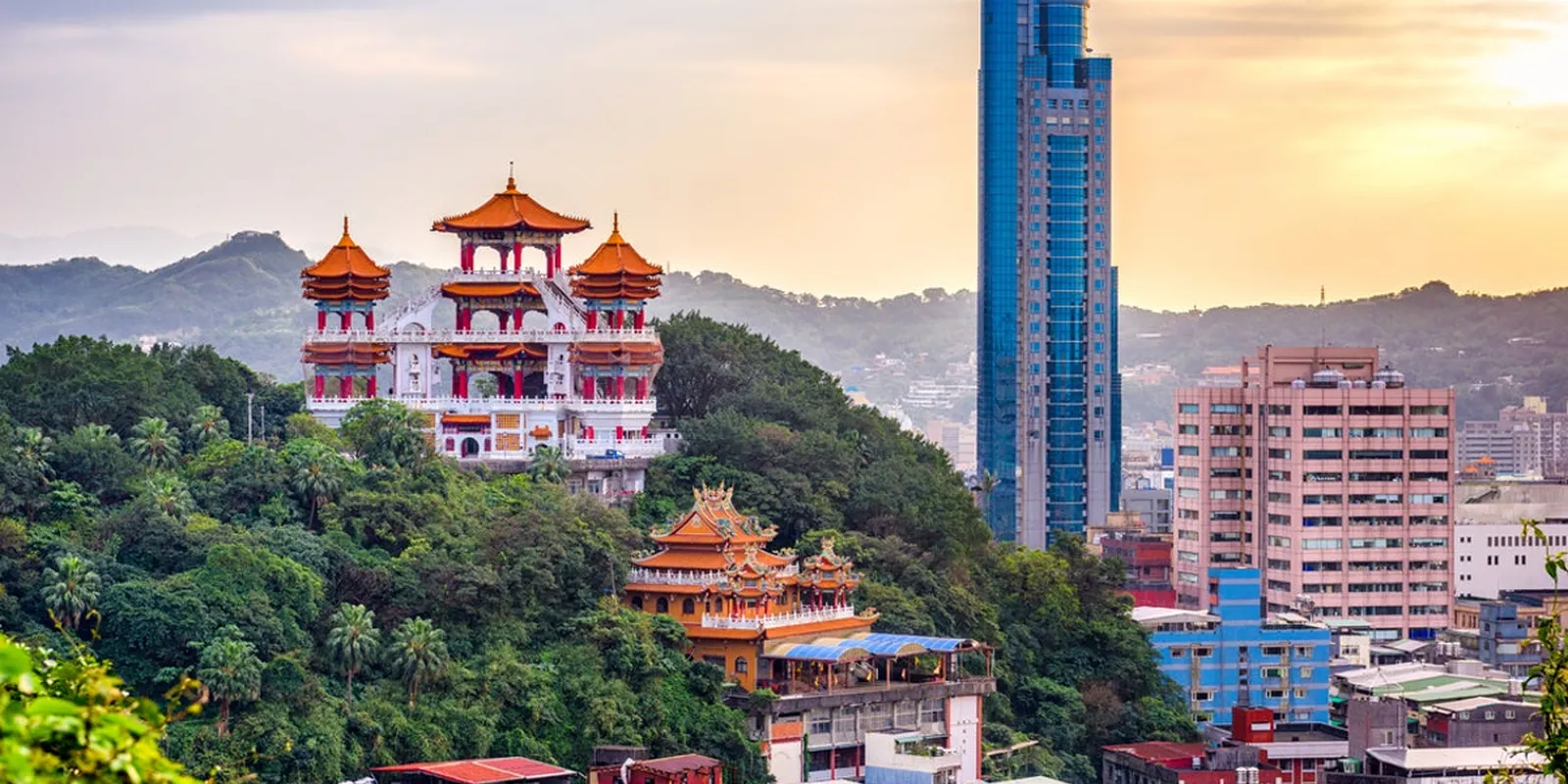
Taipei in a day: what to see
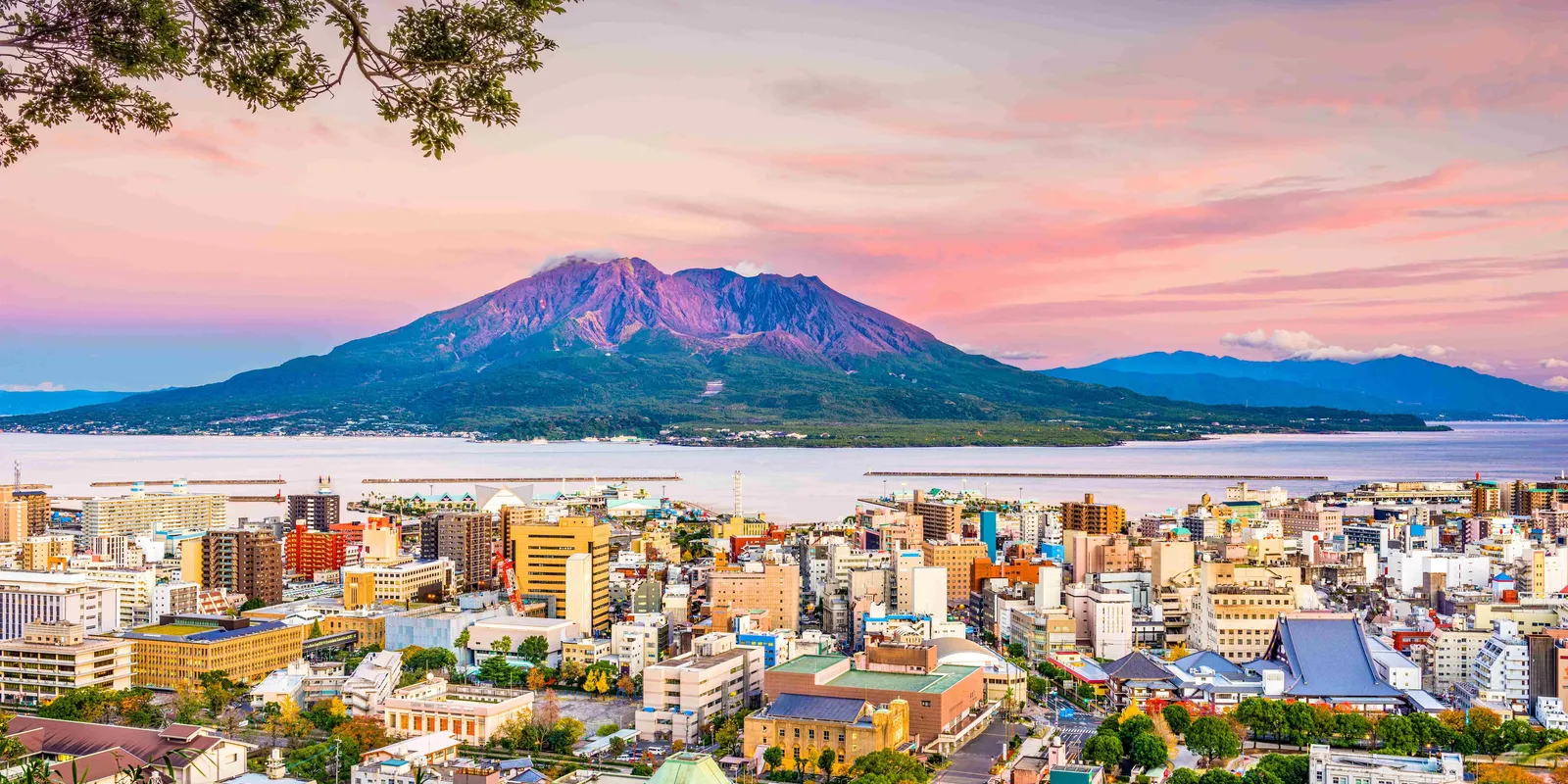
Kagoshima: the city in the shadow of an active volcano

Puerto Princesa International Airport: where to stay, areas and recommended hotels
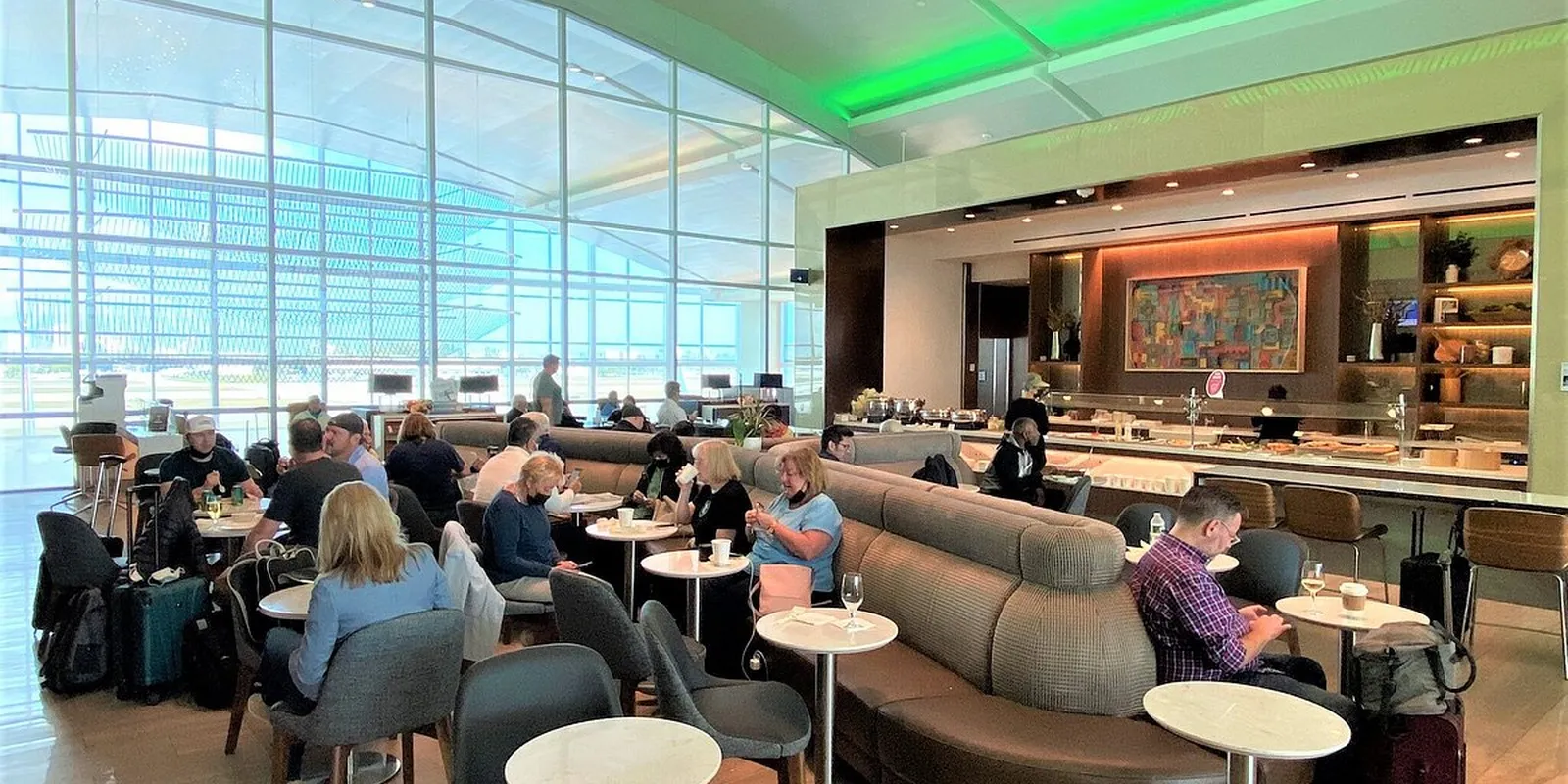
Fort Lauderdale lounges: one for each terminal

How to correctly request assistance from the airline