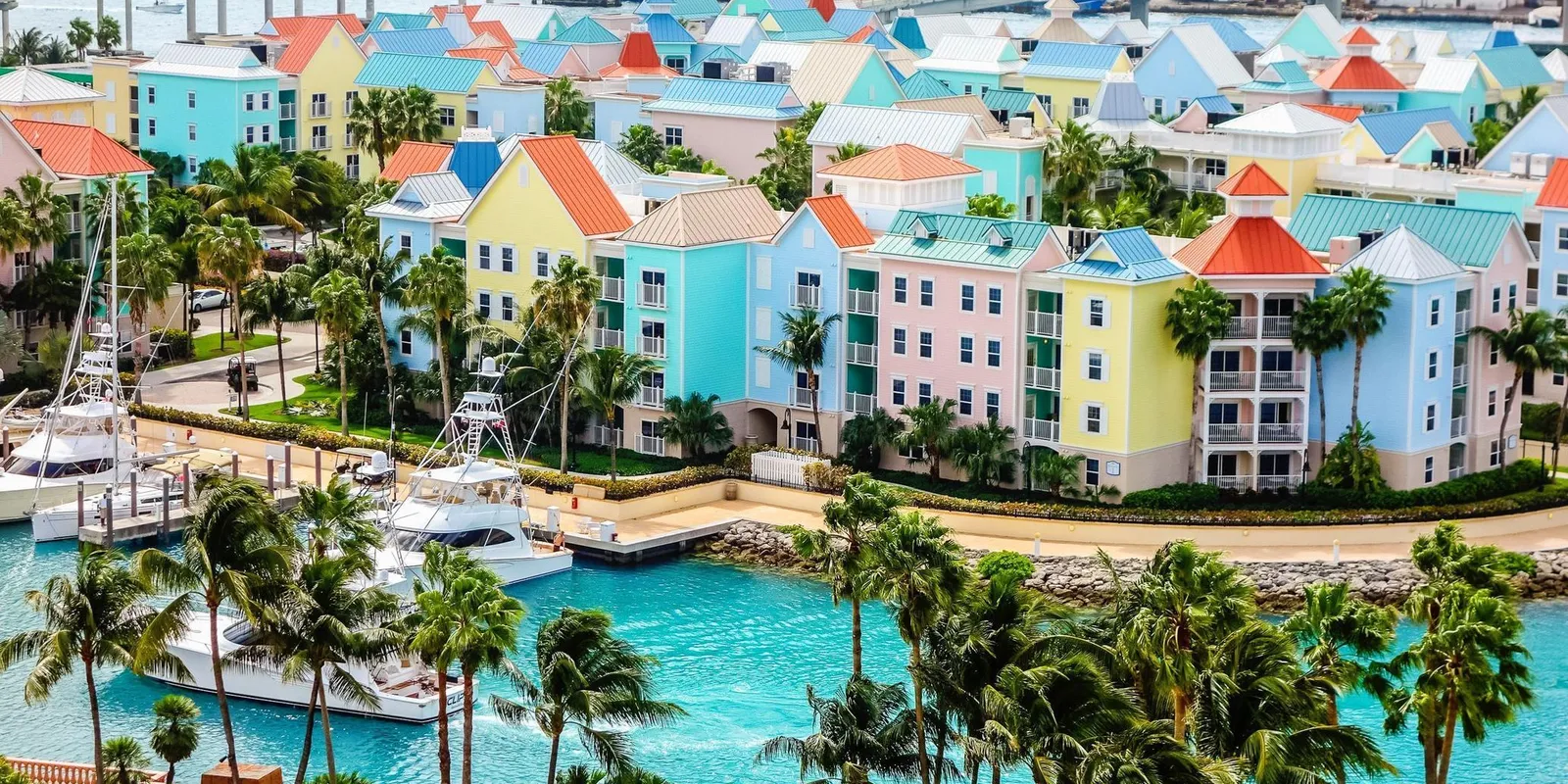

Nassau: colonial forts on the Caribbean
Formerly a pirate refuge turned British colony and then capital of the Bahamas, Nassau preserves colonial forts and covered markets steps away from one of the Caribbean's busiest cruise ports.
The center can be comfortably explored on foot from the cruise ship dock.
The day begins at Fort Charlotte, the largest fortification in the Bahamas, built by the English at the end of the eighteenth century: it never fired a shot in battle, but still dominates the port from its walls.
Moving toward the center you climb the Queen's Staircase, sixty-six steps hand-carved into limestone by enslaved Africans at the end of the eighteenth century, which lead to the Fort Fincastle above.
Descending toward the port, baskets, hats and bags hand-woven according to a tradition that traces back to African women brought as slaves to the island are still sold today at the Straw Market, rebuilt after a fire in 2001.
Just steps away, the Junkanoo Museum closes the day telling the story throughout the year of the very colorful costumes and street percussion of Boxing Day and New Year's Eve.
The drums of Junkanoo are heard for weeks before the parade, as groups rehearse in courtyards and alleys: in Nassau, the sound of drums announces the festival long before it actually arrives.
From Fort Charlotte's walls, you can often count multiple cruise ships moored together in the harbor below, a sign of how central cruise tourism has become to the island's economy.
Guided tours and experiences in Nassau


Related articles

You might also like...
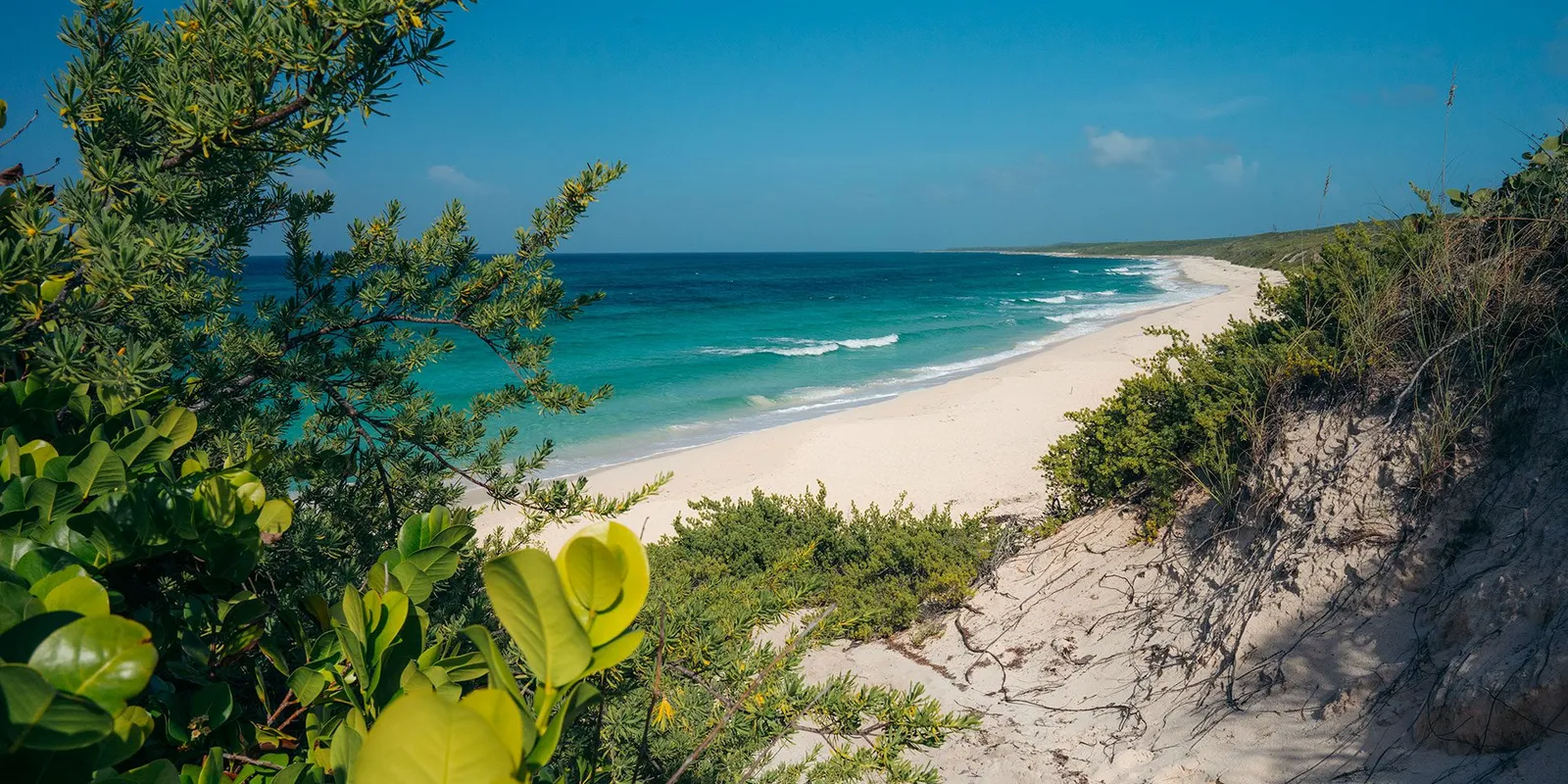
North Eleuthera: Harbour Island's pink beach
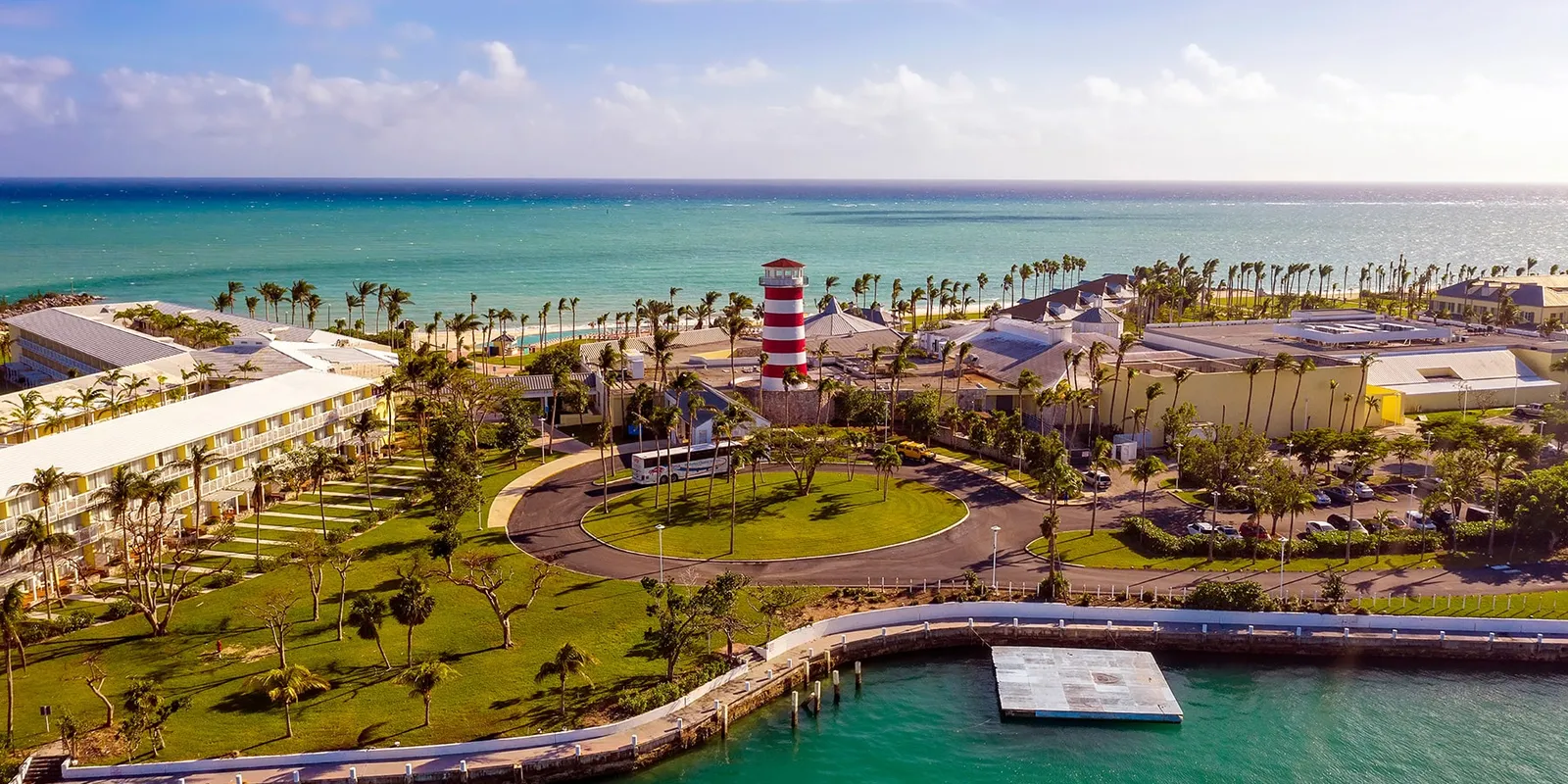
Freeport: the Bahamas' second city

Tokyo Narita vs Haneda: which airport to choose

Madagascar Airlines (Air Madagascar): Where the Airline Stands Today

Casper-Natrona County International Airport: where to stay, areas and recommended hotels
