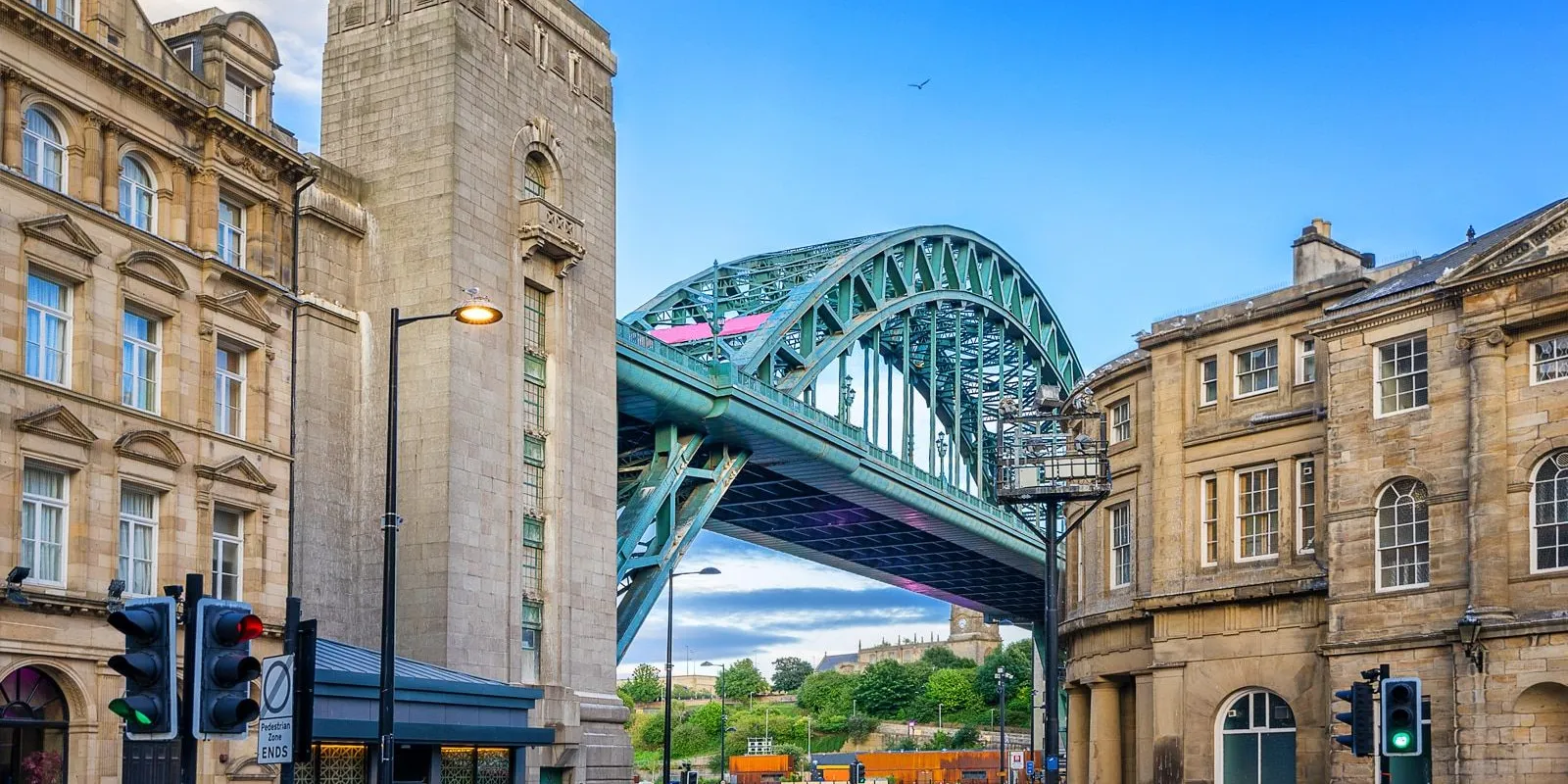

Newcastle: from coal to the bridges of the Tyne
Former world capital of coal exports, Newcastle straddles the River Tyne with seven iconic bridges that redefined its industrial identity.
The center, from its mining past to the famous bridges on the Tyne, is comfortably explored with the light metro.
The Tyne Bridge, a steel arch bridge from 1928, remains the city's most recognizable architectural symbol, having inspired the later Sydney Harbour Bridge.
Steps away, Newcastle Castle, a Norman fortress that gave the city its name, houses a museum on the region's medieval history.
Walking along the river, you reach the Millennium Bridge, a rotating pedestrian bridge that tilts like an eyelid to allow passing boats.
Toward evening, the Quayside district animates bars and restaurants along the illuminated banks of the Tyne River.
Newcastle takes its name from the 'new castle' built by the Normans in 1080 on the site of an earlier Roman fortress, marking the beginning of the modern city and its defensive legacy.
The English expression 'carrying coals to Newcastle', equivalent to 'bringing owls to Athens', stems from the city's historical role as Britain's principal coal-exporting port during the nineteenth century, at the height of its industrial prosperity.
Guided tours and experiences in Newcastle


Related articles

You might also like...
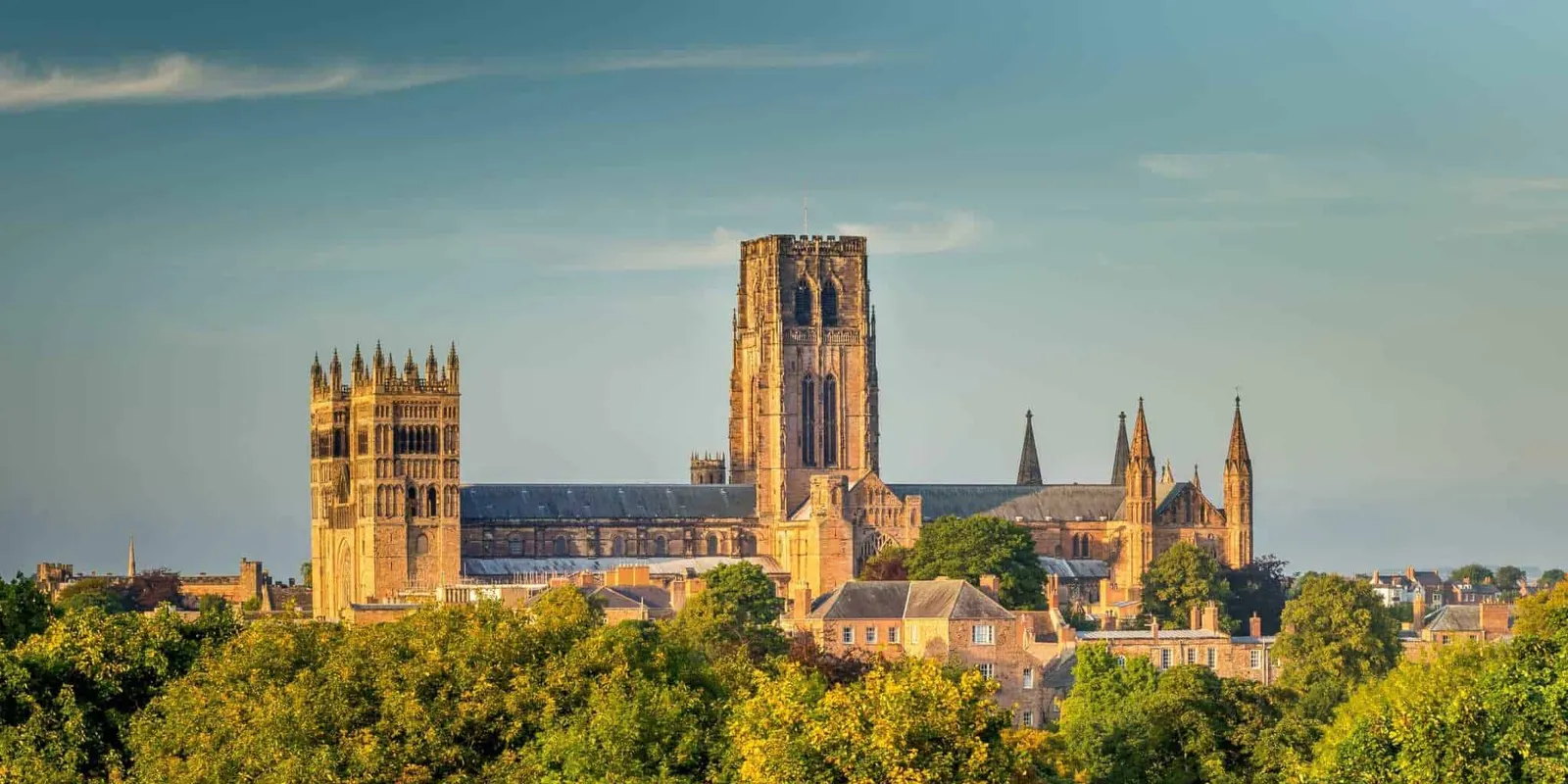
Durham: the Norman cathedral on the river
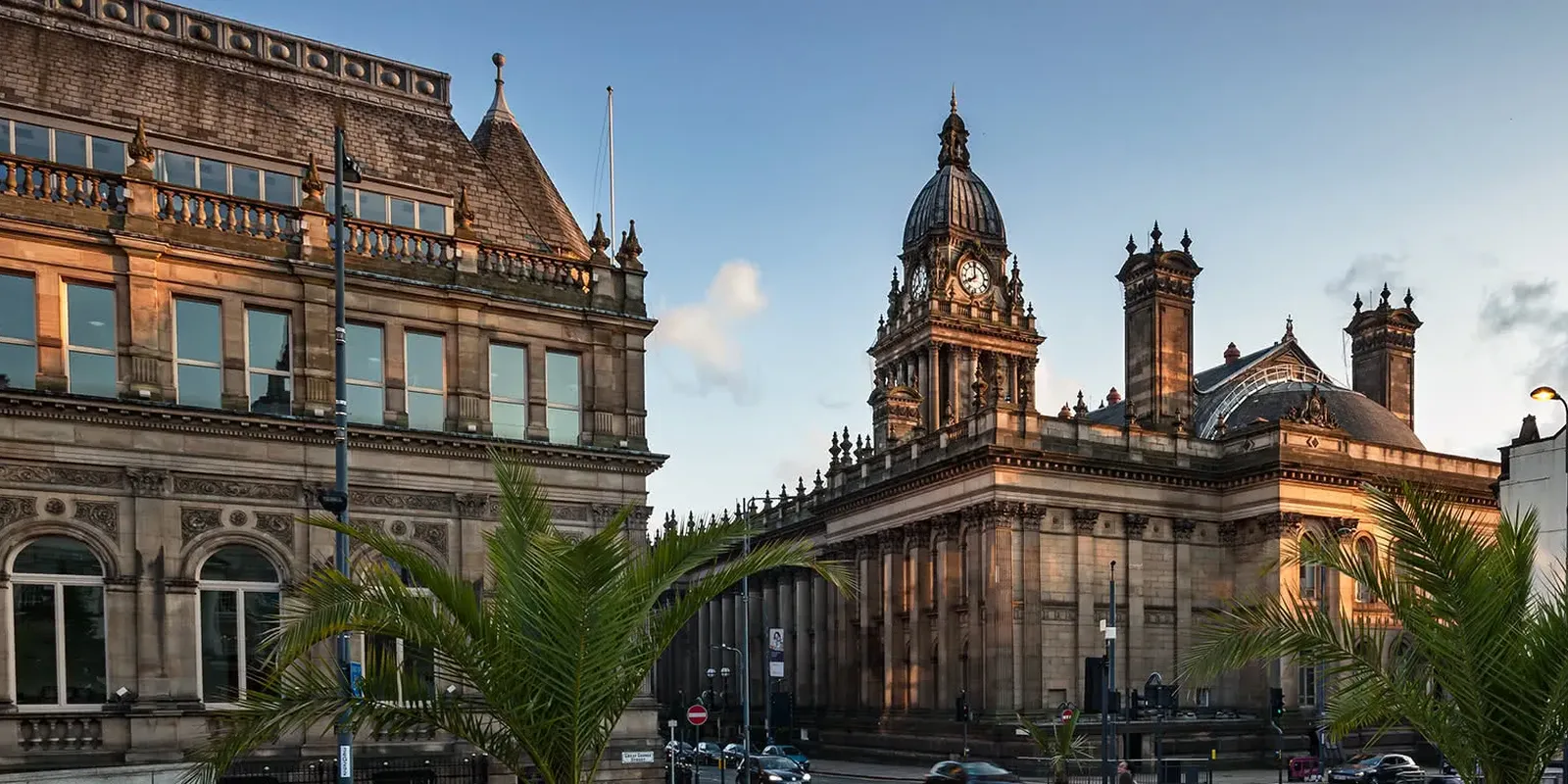
Leeds: from textile mills to contemporary art

Haikou Meilan International Airport: where to stay, areas and recommended hotels
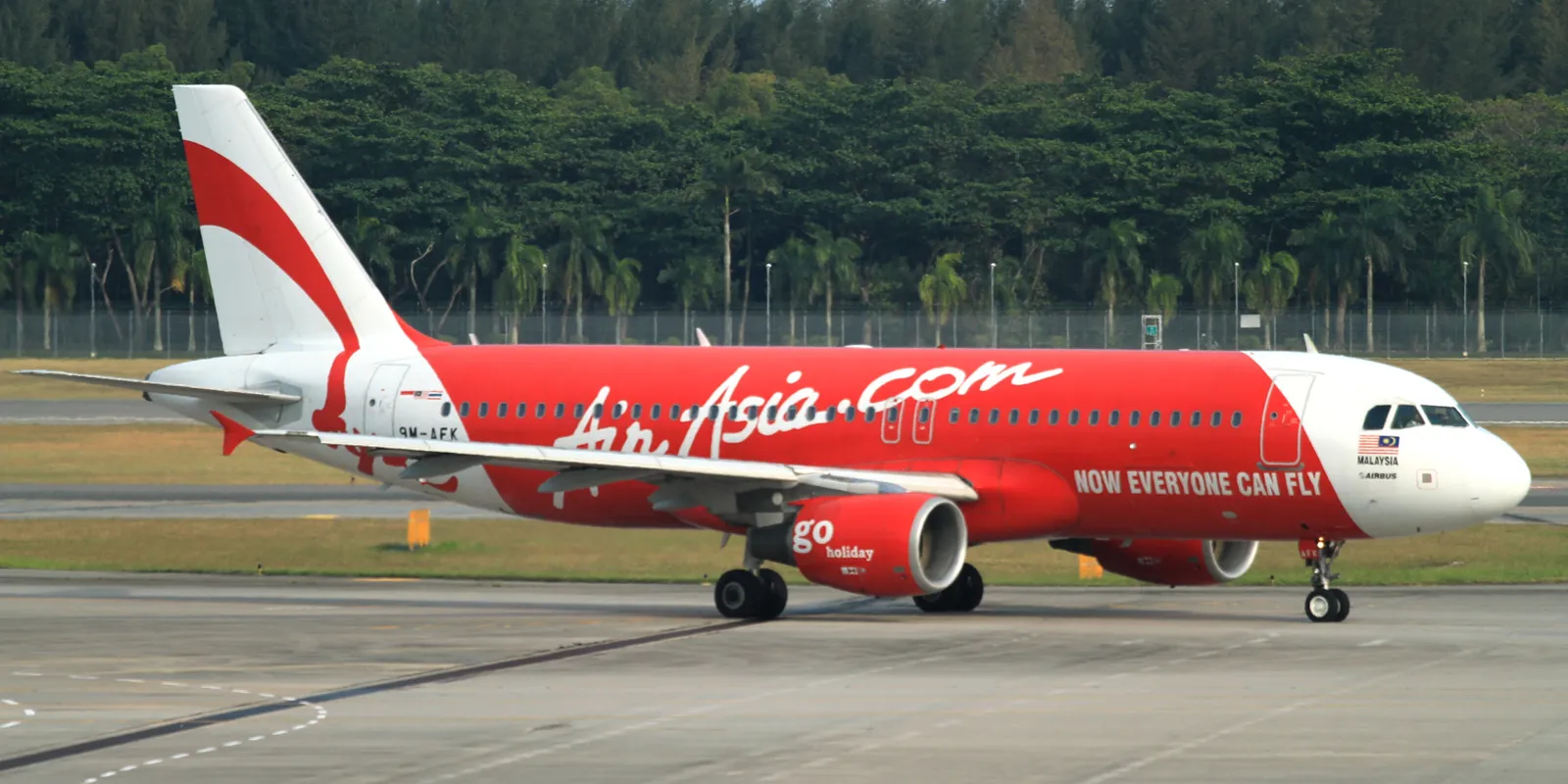
AirAsia: Fares, Fleet and What Passengers Really Say About the Asian Low-Cost Carrier
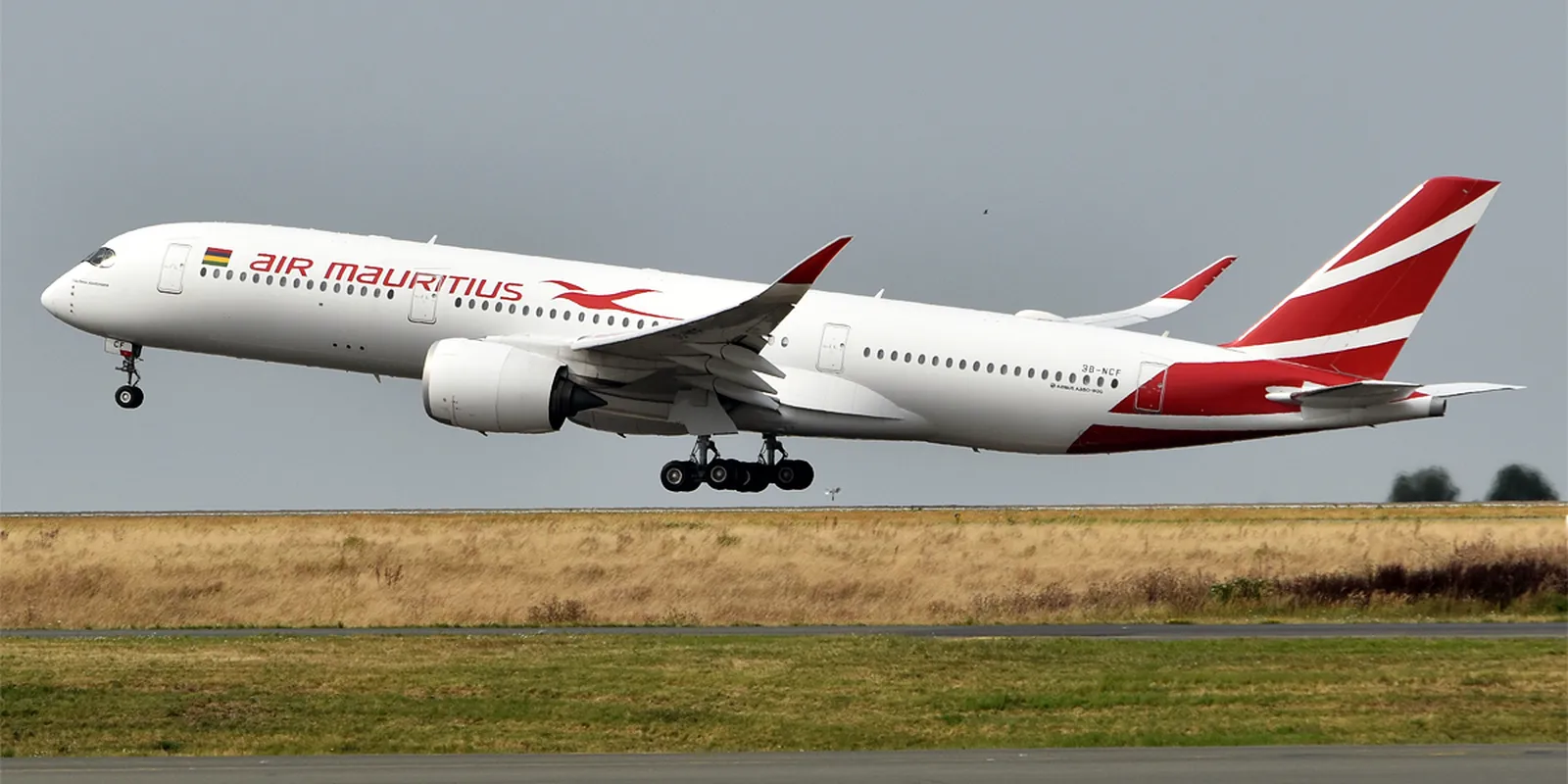
Air Mauritius: A Guide to the Indian Ocean's Flag Carrier