
Nuuk: the mummies of the national museum
The world's smallest and remotest capital of an autonomous territory, Nuuk preserves eight naturally mummified bodies, preserved by Arctic cold for over five centuries.
Nuuk is so compact that the center can be almost entirely crossed on foot in less than an hour.
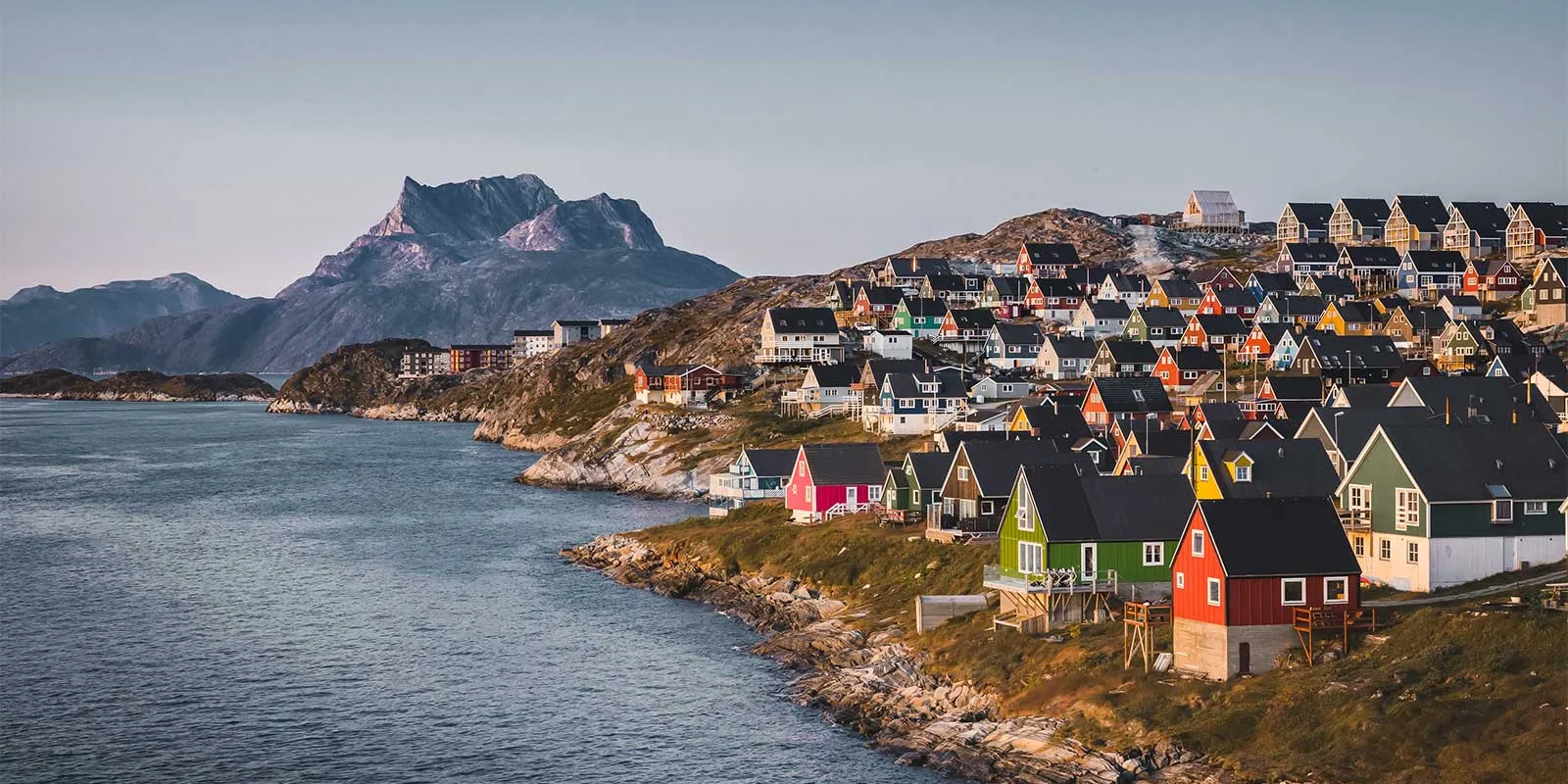
In the old colonial harbour of Kolonihavnen, coloured wooden houses recall the Danish-Norwegian foundation of the city in 1728.
A few steps away, the Cathedral of Our Saviour, a red wooden church of 1849, is among the oldest buildings still standing in the city, built to resist harsh Arctic winters.
Continuing, one reaches the National Museum of Greenland, which displays the mummies of Qilakitsoq: eight Inuit bodies from the 15th century, naturally preserved by Arctic ice and discovered only in 1972.
Towards evening, a viewpoint over the Nuuk fjord closes the day with a view of the mountains surrounding the bay, often still snow-covered even in the height of summer.
The mummies of Qilakitsoq have been so well preserved as to still show tattoos on the skin and details of traditional clothing, offering scholars rare information about Inuit daily life centuries ago.
Nuuk has fewer residents than many neighborhoods of a large European city, yet remains the administrative capital of a territory as large as all of Western Europe.
Related articles

You might also like...
Ísafjörður: the last outpost of Iceland's Westfjords
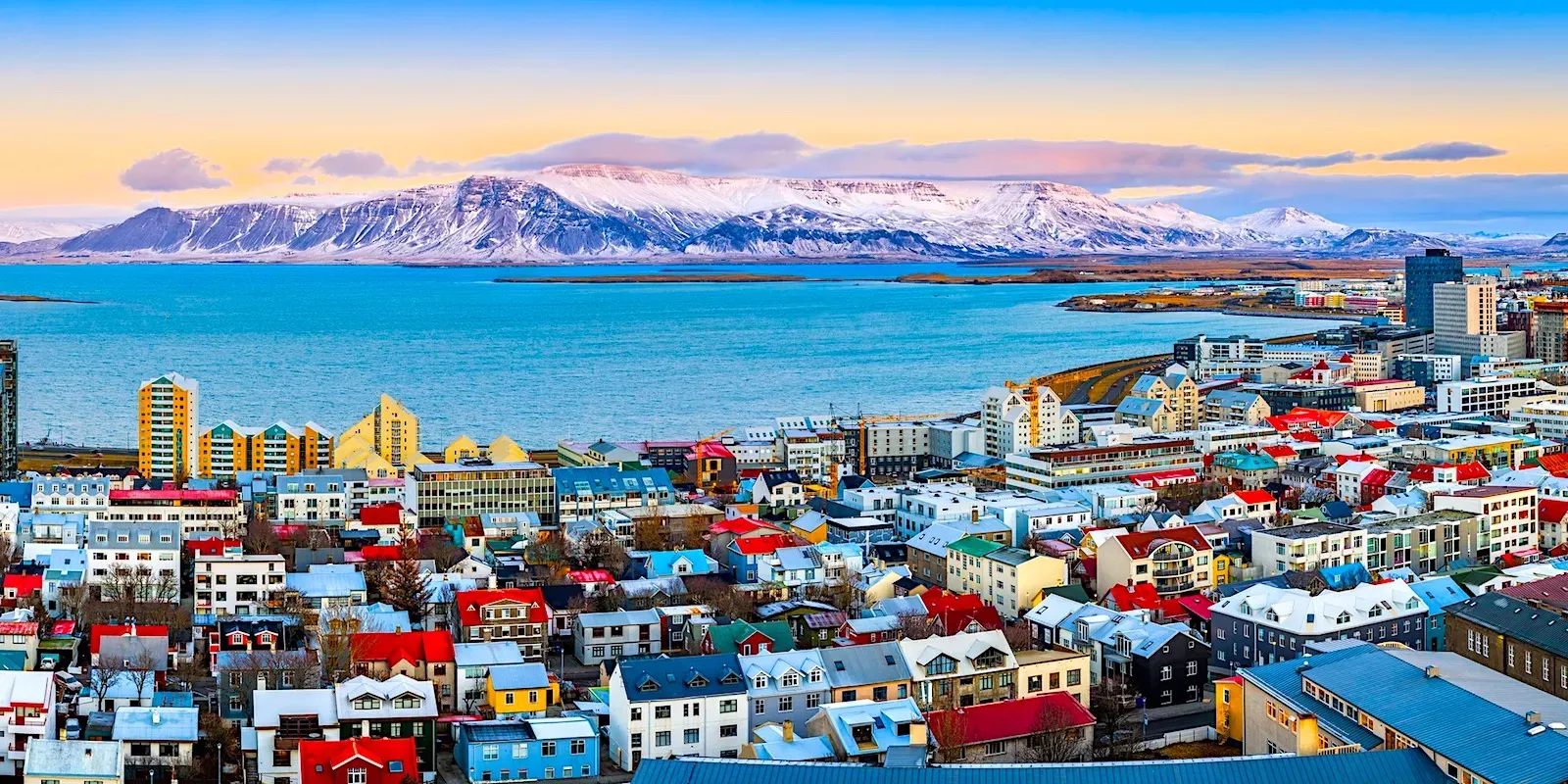
Reykjavík: from the lava church to whale-watching harbour

Carry-on baggage: how to organize the interior space

Alfredo Vásquez Cobo International Airport: where to stay, areas and recommended hotels

Akwa Ibom International Airport: where to stay, areas and recommended hotels