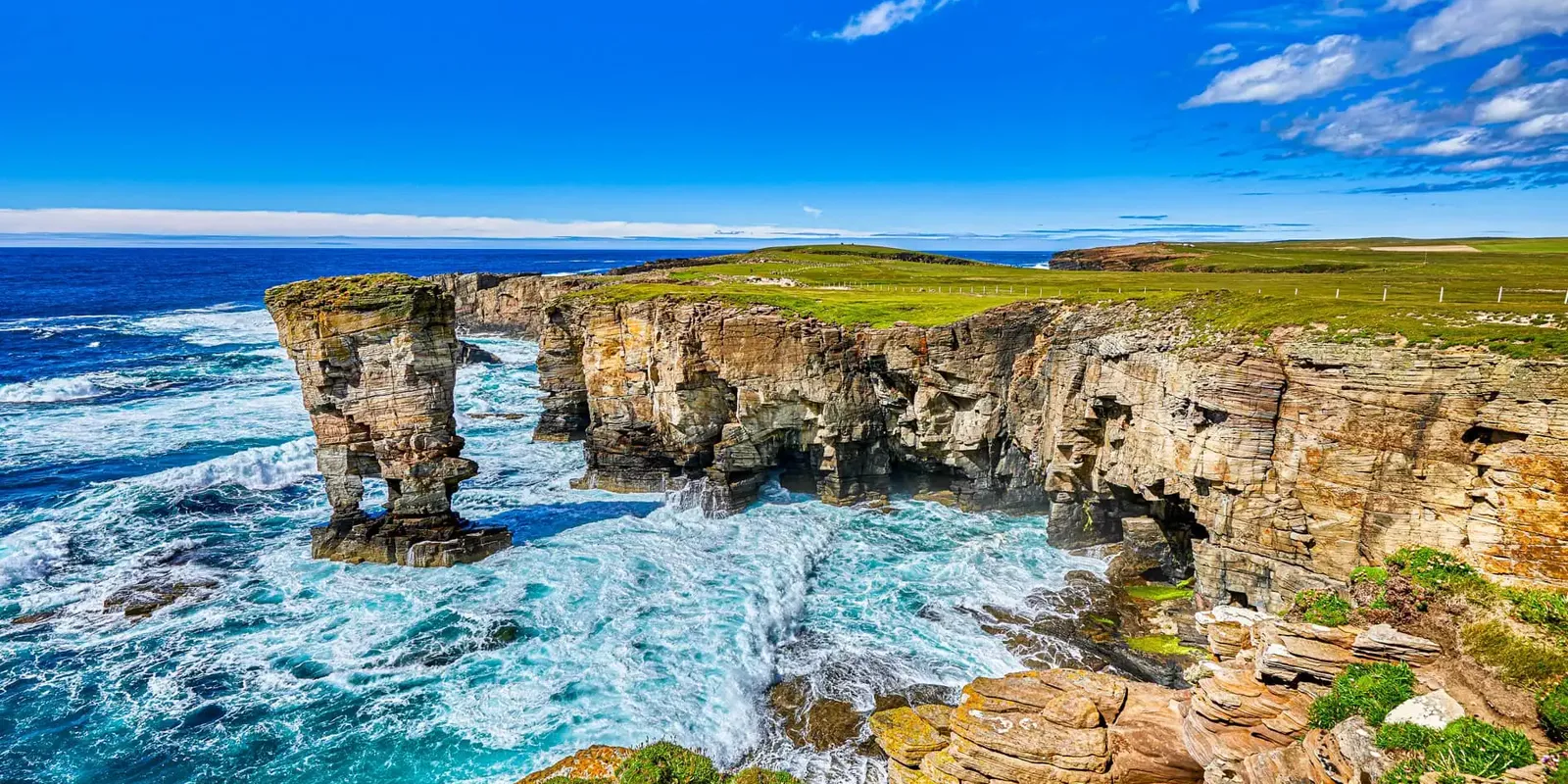

Orkney: Neolithic villages older than Stonehenge
North of Scotland, the Orkney Islands house a Neolithic village older than Egyptian pyramids and Stonehenge, a UNESCO World Heritage site.
A car remains essential to explore the archipelago.
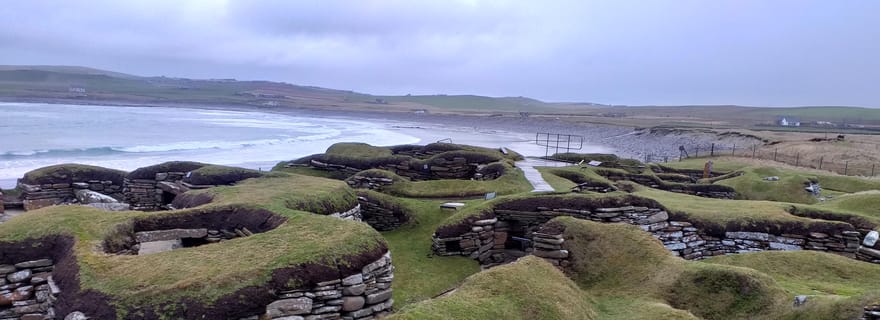
Skara Brae, a neolithic village unearthed by a storm in 1850, remains one of Europe's best-preserved prehistoric settlements, predating the Egyptian pyramids.
Minutes away, the Stones of Stenness and the Ring of Brodgar, megalithic monuments, remain among the oldest stone circles still standing in the entire British Isles.
Heading toward Scapa Flow, you visit the wreck of the German fleet scuttled in 1919 at the end of the First World War, today a diving destination.
Toward evening, Saint Magnus Cathedral, built in red sandstone in the twelfth century, dominates the historic center of Kirkwall.
Skara Brae, inhabited from around 3180 to 2500 BCE, predates both the Egyptian pyramids and Stonehenge, making it one of Europe's oldest and best-preserved permanent human settlements ever discovered.
The German fleet that scuttled itself at Scapa Flow in 1919, comprising over seventy warships, remains one of the world's largest underwater naval cemeteries, popular among technical divers.
Guided tours and experiences in Orkney Islands
Related articles

You might also like...

Wick: the last town before John o' Groats
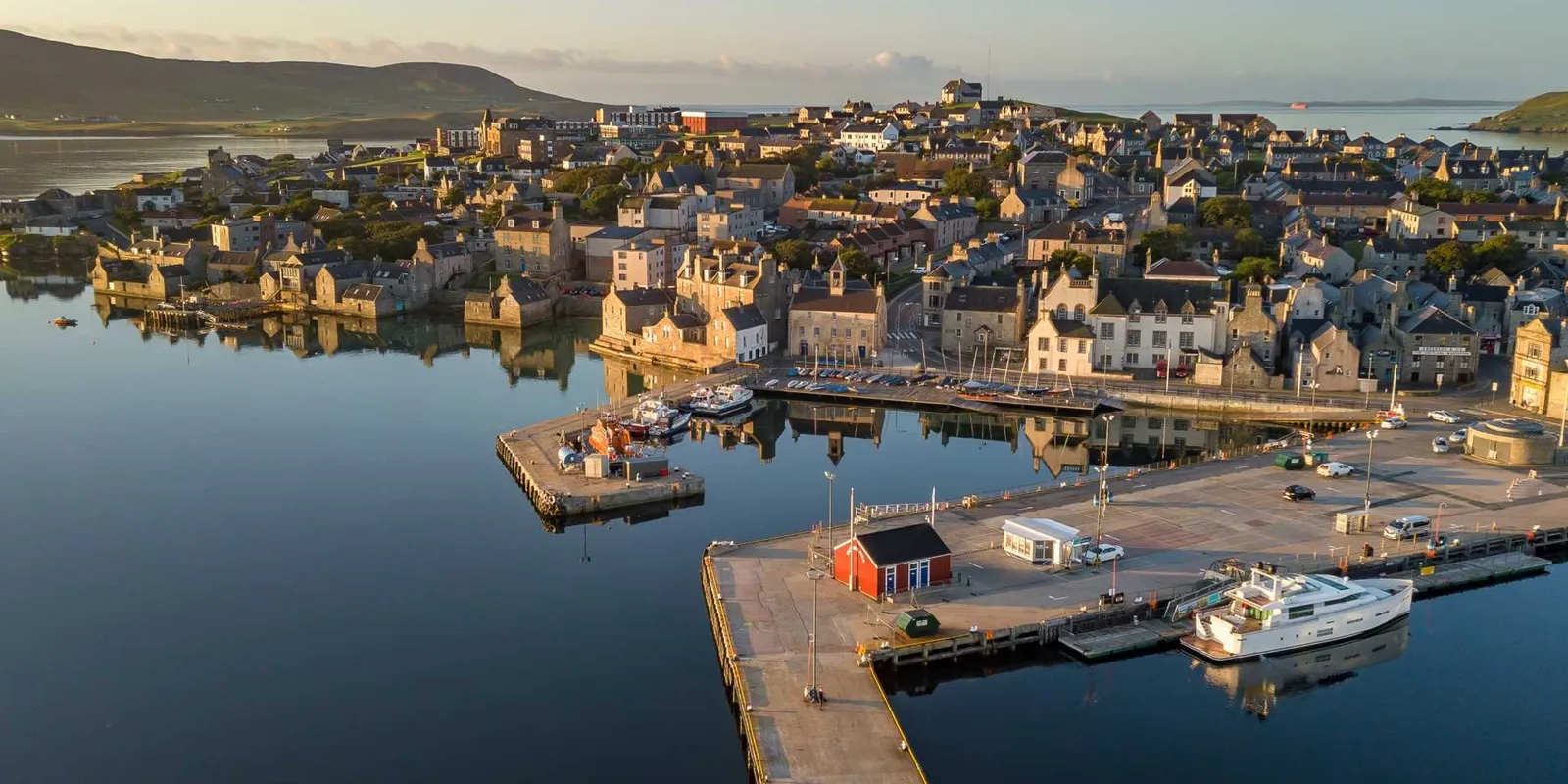
Lerwick: the Viking capital of Shetland

SATENA: The Airline That Flies Where No One Else Reaches in Colombia

Eindhoven Airport: where to stay, areas and recommended hotels

Jet lag: how to prepare in the days before your trip