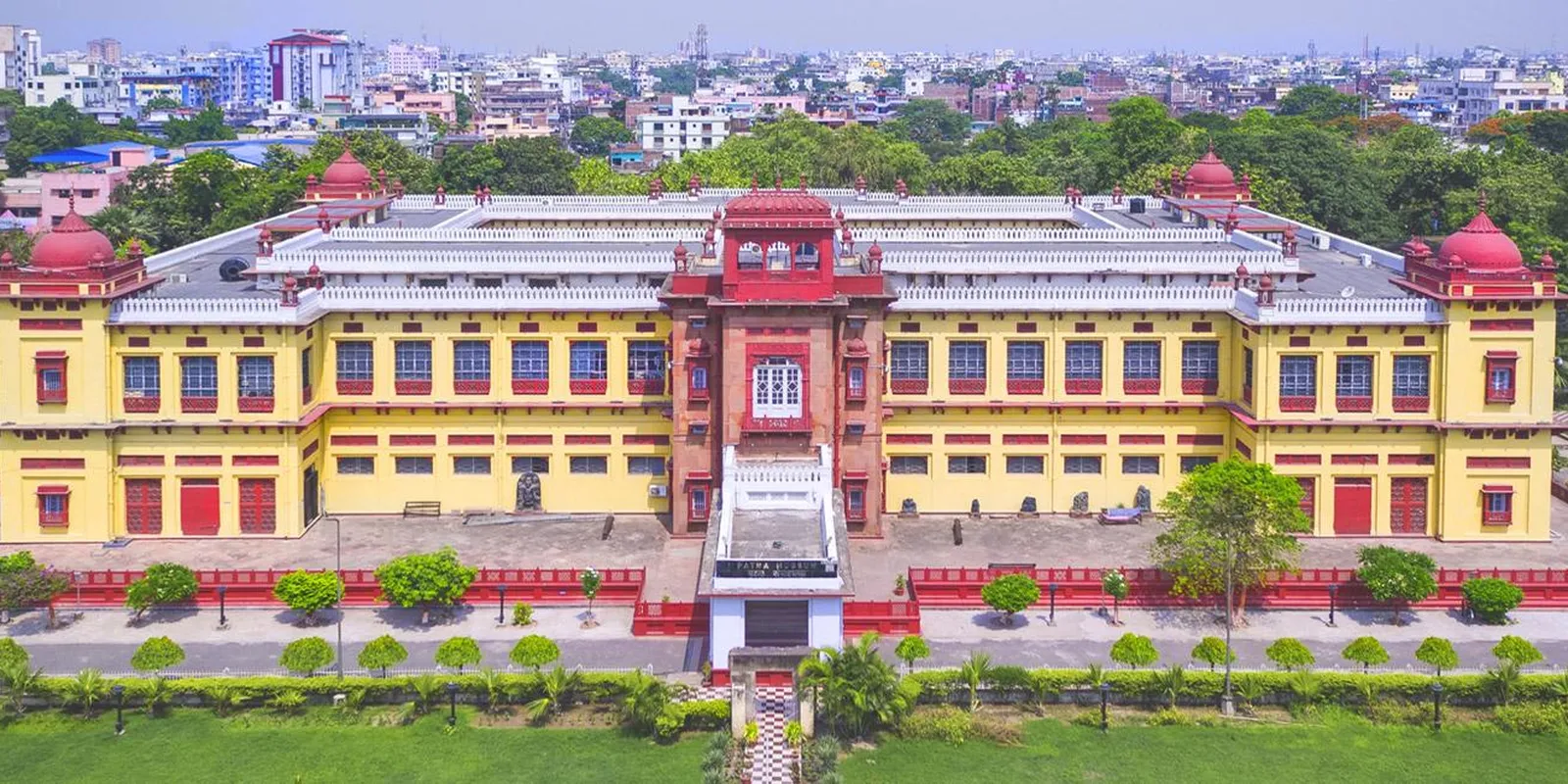

Patna: the gateway to Buddhism's sacred sites
Capital of Bihar and among the oldest continuously inhabited cities in the world, Patna remains the departure point for Buddhism's sacred sites.
The center, gateway to Buddhism's sacred places, is comfortably explored by motor rickshaw.
The Golghar, a domed grain silo built by the English in the eighteenth century to prevent future famines, remains the citys most unusual architectural monument.
Minutes away, the Patna Museum displays artifacts from the Maurya empire, including the celebrated Didarganj Yakshi, a sculptural masterpiece from twenty-three centuries ago.
Heading south one can reach Nalanda, a UNESCO World Heritage site and home to the worlds oldest residential university, founded in the fifth century.
As evening falls, the Gurdwara of Takht Sri Patna Sahib, birthplace of the tenth Sikh Guru, draws pilgrimages from across India.
Nalanda, just hours from Patna, was the world's largest residential university in ancient times, hosting up to ten thousand students and two thousand teachers from across Asia before its destruction in the Twelfth century.
Patna, known in antiquity as Pataliputra, was the capital of the Mauryan Empire, one of the most extensive empires ever to exist on the Indian subcontinent under Emperor Ashoka, who from here spread Buddhism throughout Asia.
Related articles


You might also like...
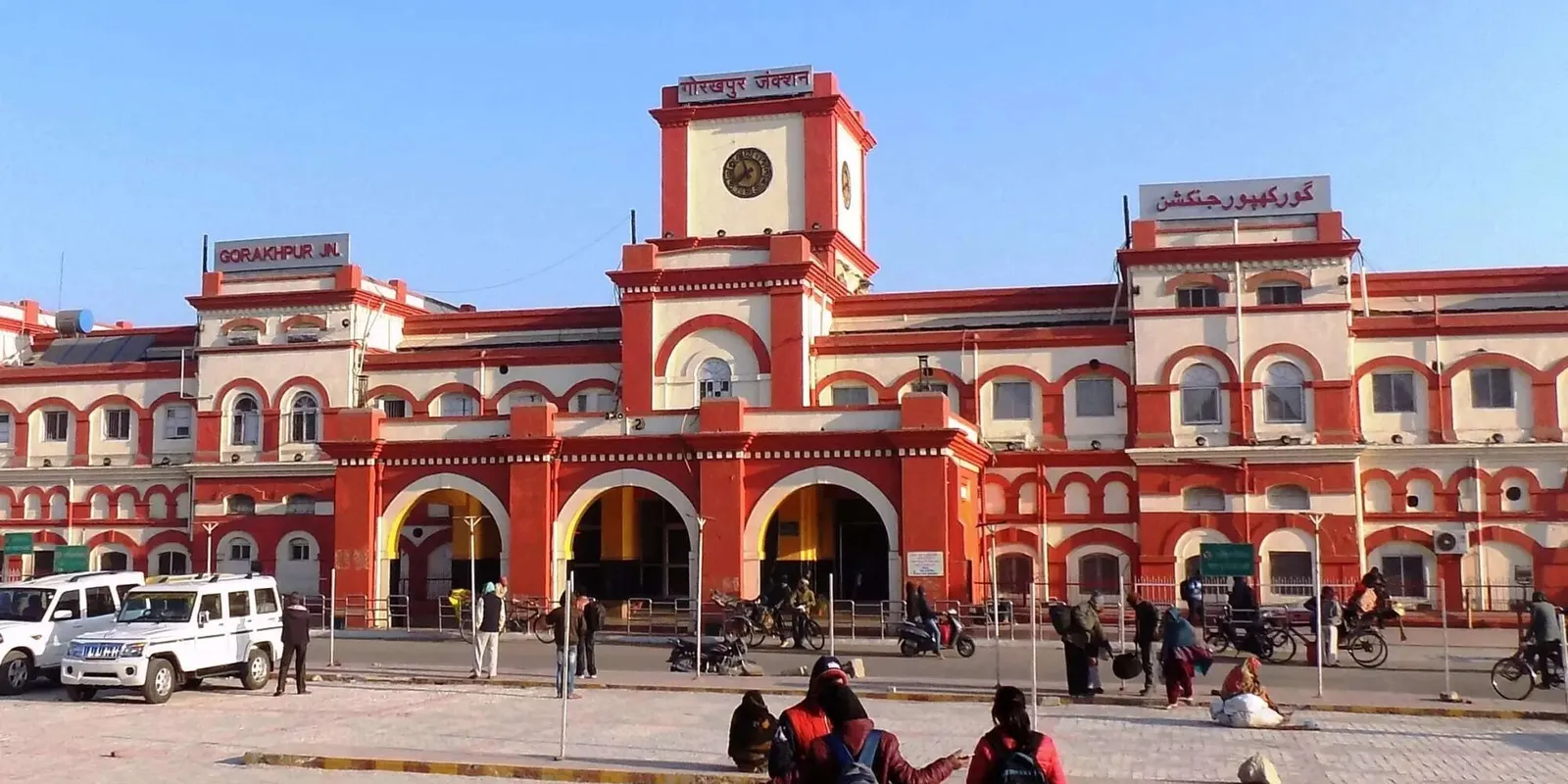
Gorakhpur: the gateway to the Buddha's death at Kushinagar
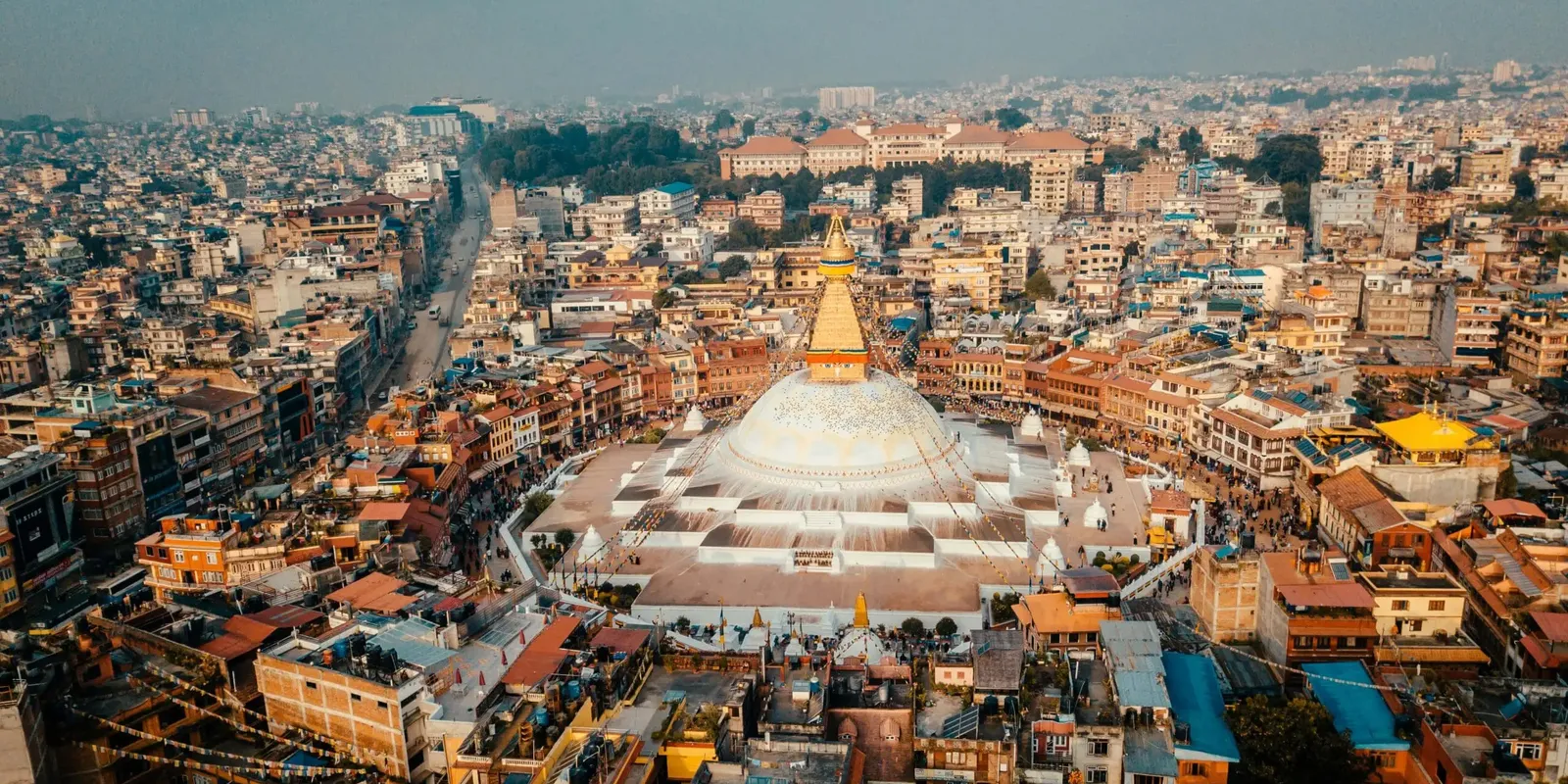
Kathmandu: Hindu and Buddhist temples in the Himalayan valley

Wick Airport: where to stay, areas and recommended hotels

Gold Coast Airport: where to stay, areas and recommended hotels

Bering Air: The Carrier Keeping Western Alaska Connected, from the Caravan Fleet to Charter Flights to Russia