
Pécs: Ottoman mosaics in southern Hungary
Under Ottoman rule for a hundred fifty years, Pécs preserves a mosque converted into a Catholic church and early Christian cemeteries, a UNESCO site.
The center, with traces of Ottoman mosaics and mosques, is comfortably explored on foot.
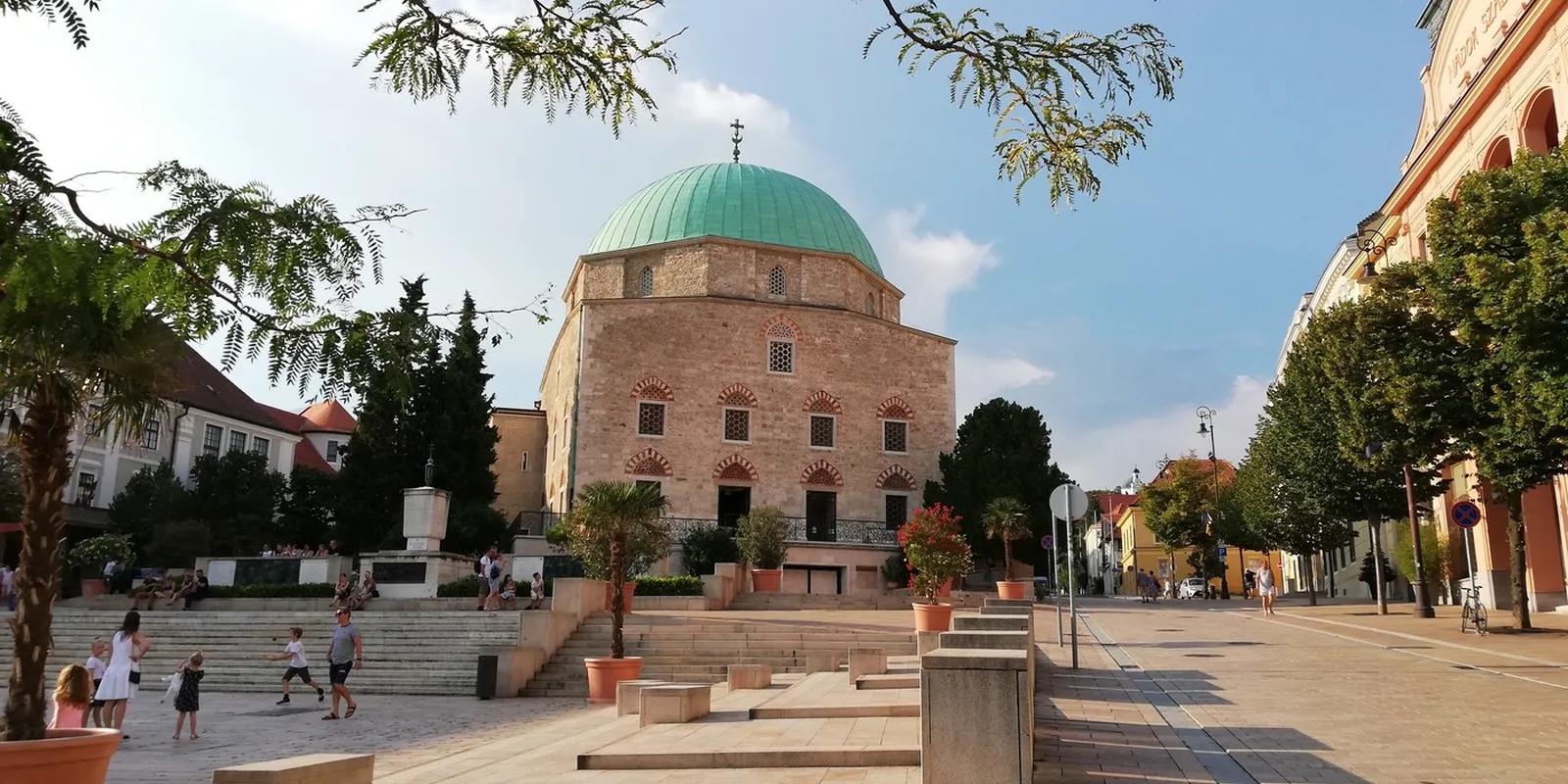
The Mosque of Gazi Kasim Pasha, built in the sixteenth century during Ottoman rule, was transformed into a Catholic church after reconquest, while still maintaining original Islamic architectural elements.
A few steps away, the Paleochristian Necropolis, a UNESCO heritage site, houses fourth-century burial chambers decorated among the best preserved in Central Europe.
Continuing, one visits the Zsolnay Museum, dedicated to the famous local ceramics manufactory, recognizable for its unique iridescent glaze unmatched in the world.
Toward evening, the Zsolnay Fountain, covered with the same iridescent ceramics, closes the day in the city's main square.
The Zsolnay eosin ceramics, developed in the late nineteenth century with an iridescent metallic glaze still secret today, made Pécs famous throughout Europe during the Art Nouveau era, even being used on the roofs of historic buildings in Budapest and Vienna.
The conversion of the Ottoman mosque into a Catholic church occurred without demolishing the original building, leaving visible today Islamic decorative elements, including Quranic inscriptions on the walls, alongside Christian symbols added later.
Related articles

You might also like...
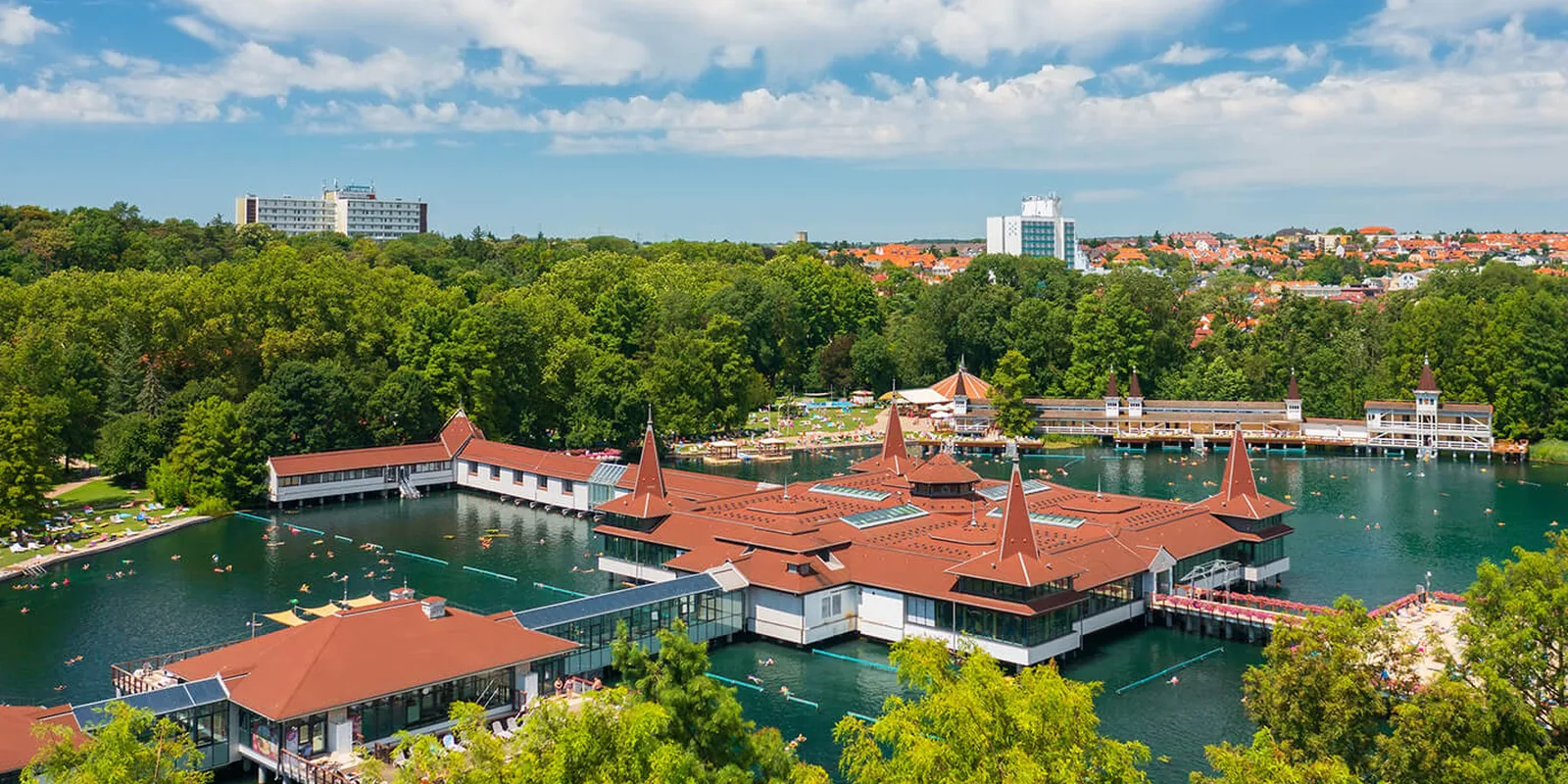
Hévíz: the world's largest thermal lake
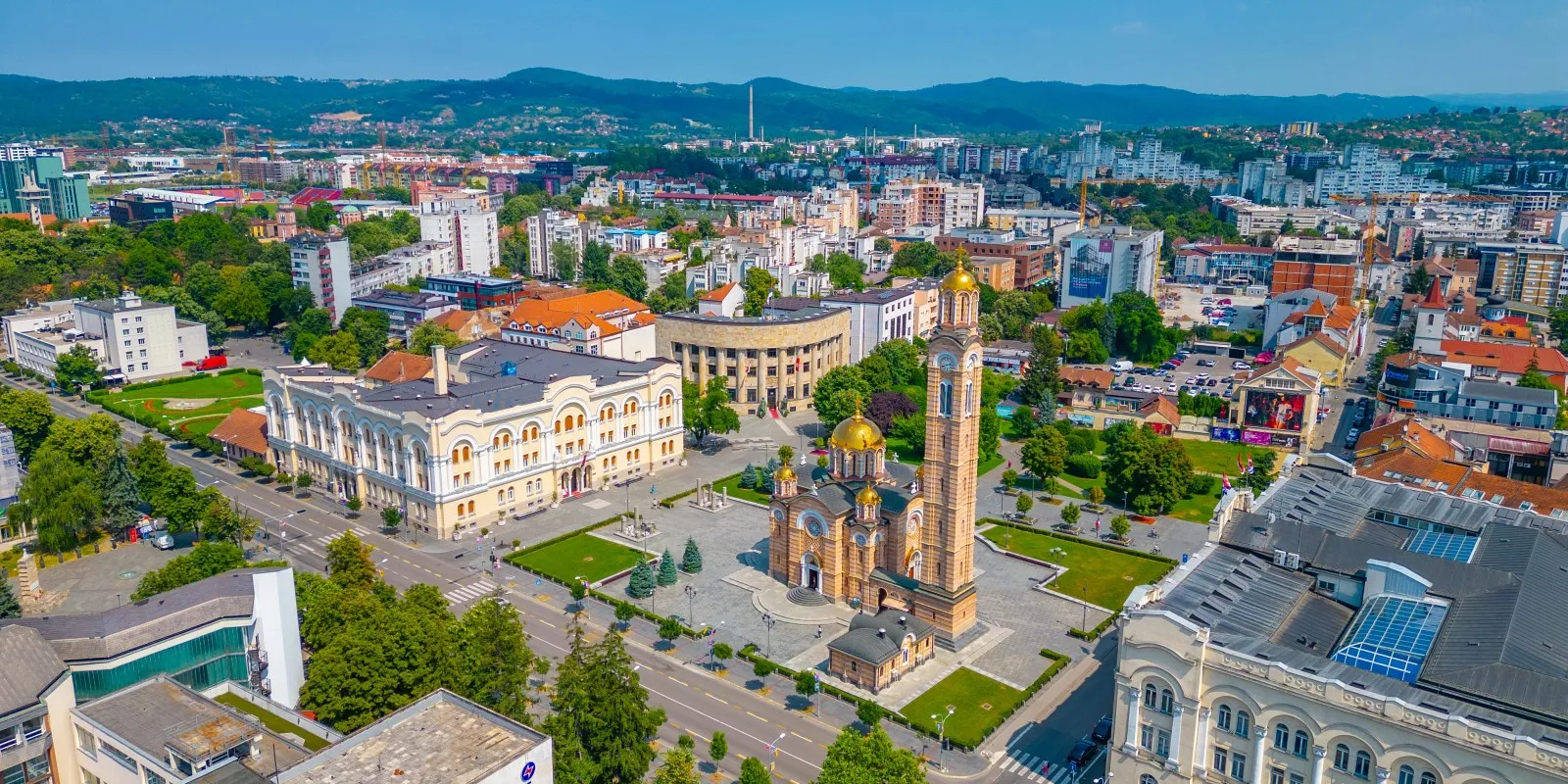
Banja Luka: the cathedral rebuilt from nothing

Washington Dulles International Airport: where to stay, areas and recommended hotels
City of Colorado Springs Municipal Airport: where to stay, areas and recommended hotels

Flynas After the Stock Market Listing: The Saudi Low-Cost Carrier Betting on 100 New Airbuses