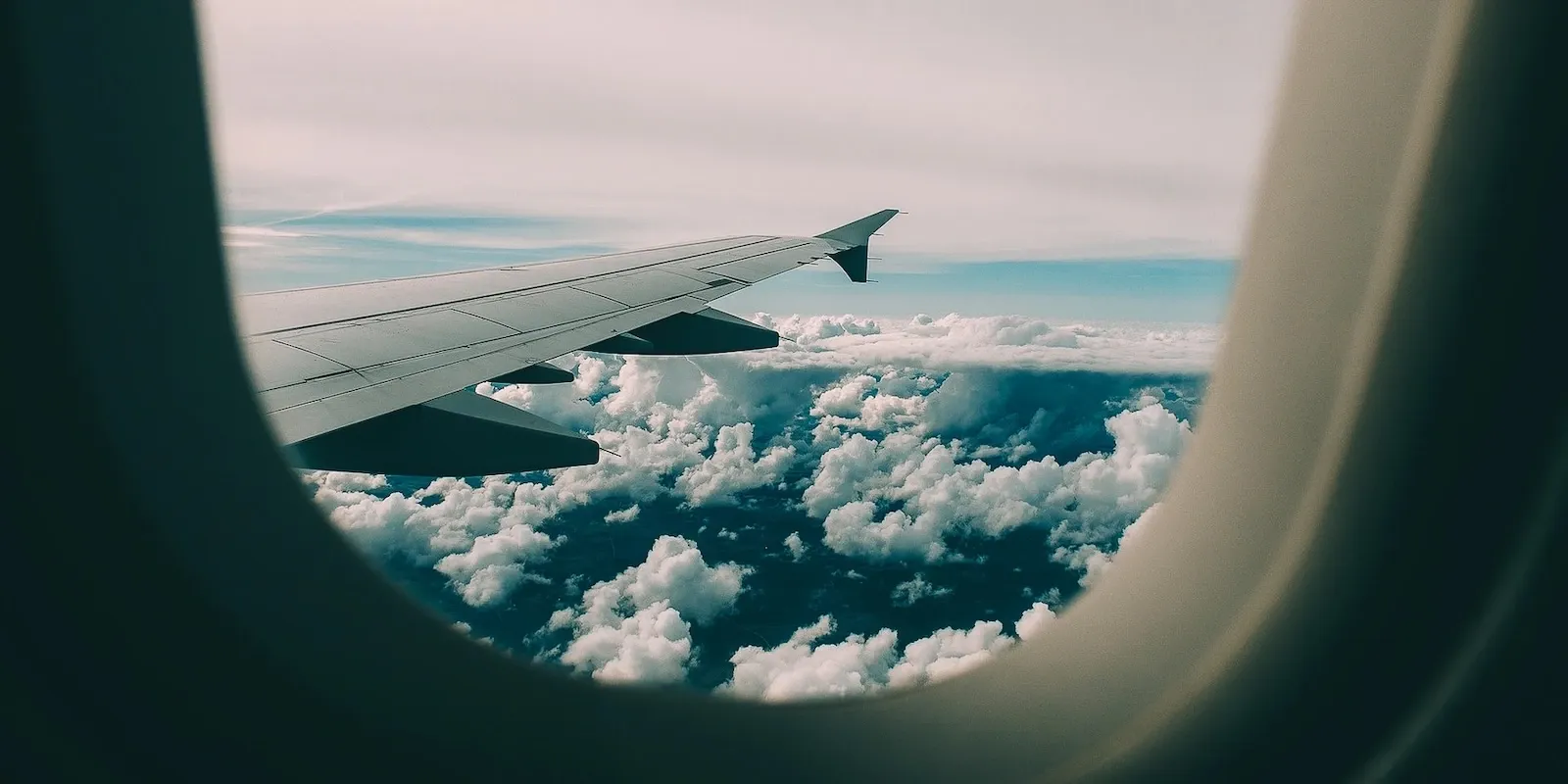
How to fly stress-free
Flight stress almost always stems from a sum of small uncertainties, not a single problem: building time margins and knowing the travel phases in advance reduces the vast majority of perceived anxiety.
Accept what you cannot control
Delays due to general air traffic or weather do not depend on the passenger: accepting this in advance, instead of deluding yourself that you can control every variable, allows you to focus your attention on what is truly manageable, such as the time of arrival at the airport and document organization. Those dealing with true flight anxiety, distinct from normal organizational stress, find specific strategies in this dedicated in-depth article.
Safety margins, not minimum times
Choosing, when your itinerary allows, connections with a margin greater than the minimum connection time indicated by the airline, and arriving at the airport with realistic advance notice of departure time, transforms a small delay into a manageable event instead of an emergency to face under pressure.
The body affects psychological resilience
Getting enough sleep the night before, drinking water regularly, and avoiding excess caffeine reduce the physiological agitation that amplifies perceived stress in the face of a setback. Knowing the sequence of security checks and boarding in advance, instead of facing it as a surprise, eliminates much of the uncertainty that generates anxiety.
The most concrete step is just one: when you book a flight with a connection, always add a margin beyond the minimum connection time indicated by the airline, even if it means waiting a few dozen minutes more at the airport.
You might also like...
Choosing an airline: beyond the flight price

Nuevo Aeropuerto Internacional Mariscal Sucre: where to stay, areas and recommended hotels

Low-cost or legacy: which airline to choose for your flight

Lost luggage: how to file a claim in 3 steps
Electronic travel authorizations: what to know
