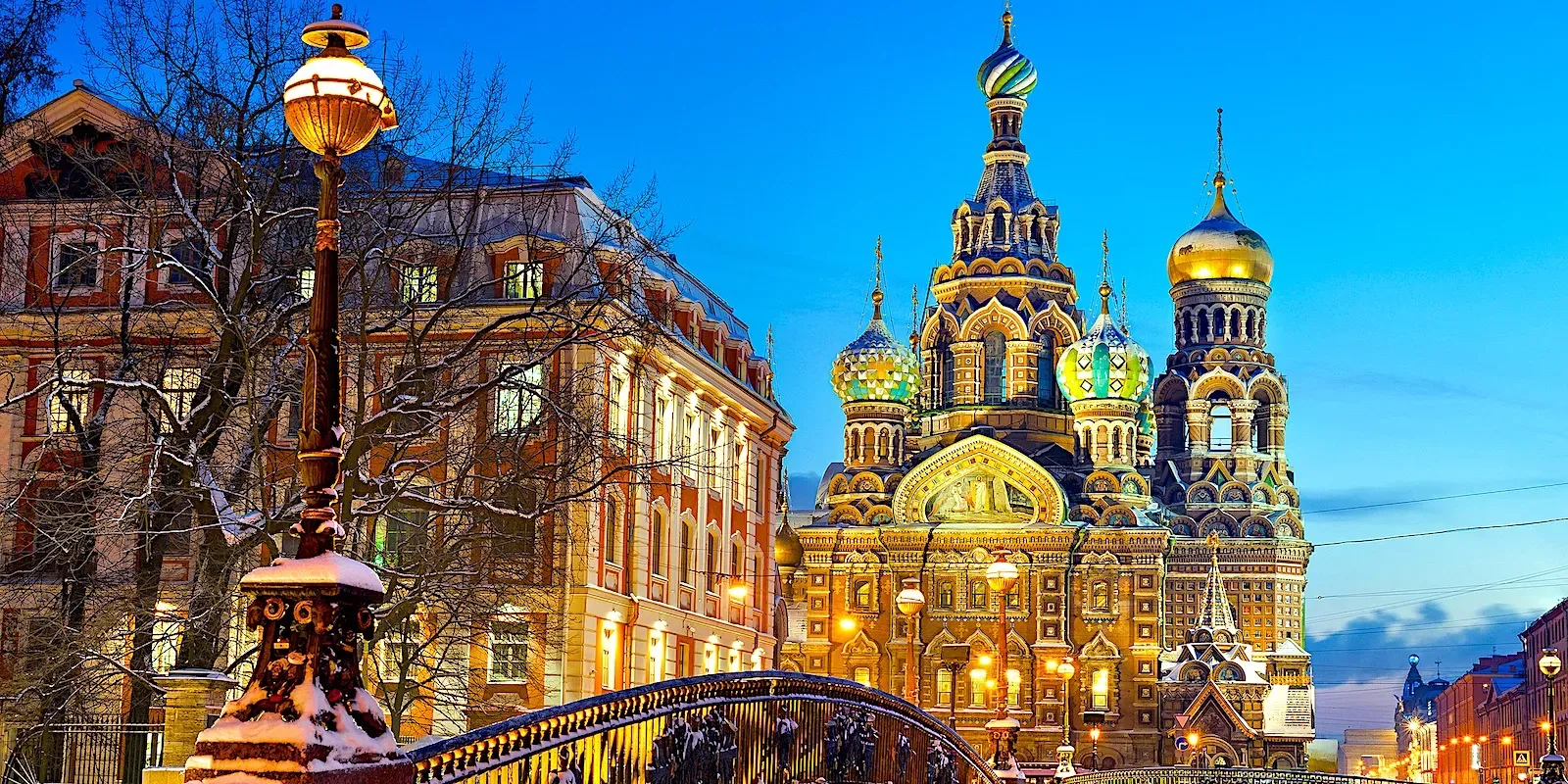

Saint Petersburg: the Hermitage and onion domes
Founded in 1703 by Peter the Great as a 'window on Europe,' St. Petersburg was Russia's imperial capital for over two centuries and still retains the density of palaces and museums of a capital city, despite losing its political role to Moscow a century ago.
The historic center is comfortably explored on foot along the canals.
The Hermitage Museum, housed in the former Winter Palace of the tsars, holds over three million works including one of the world's most extensive collections of European painting, distributed across hundreds of sumptuously decorated halls.
The Church of the Savior on Spilled Blood, with its colorful onion domes built on the exact spot where Tsar Alexander II was assassinated in 1881, covers its interiors with over seven thousand square meters of mosaics.
The Peter and Paul Fortress, the city's first structure founded by Peter the Great himself, houses in its cathedral the tombs of nearly all Russian tsars from the founder onward.
The Saint Isaac's Cathedral, among the world's largest golden domes, required forty years of construction in the nineteenth century and offers from its external colonnade a complete view of the city center's roofs.
The tombs of the tsars in the Peter and Paul Fortress and the mosaics of the church built to commemorate one who was assassinated tell the same dynasty from two opposite angles: its founding and its violent end.
The Hermitage, which grew from the private collections of that same dynasty, remains the point at which that heritage survived beyond the fall of the tsars themselves.
Related articles
You might also like...
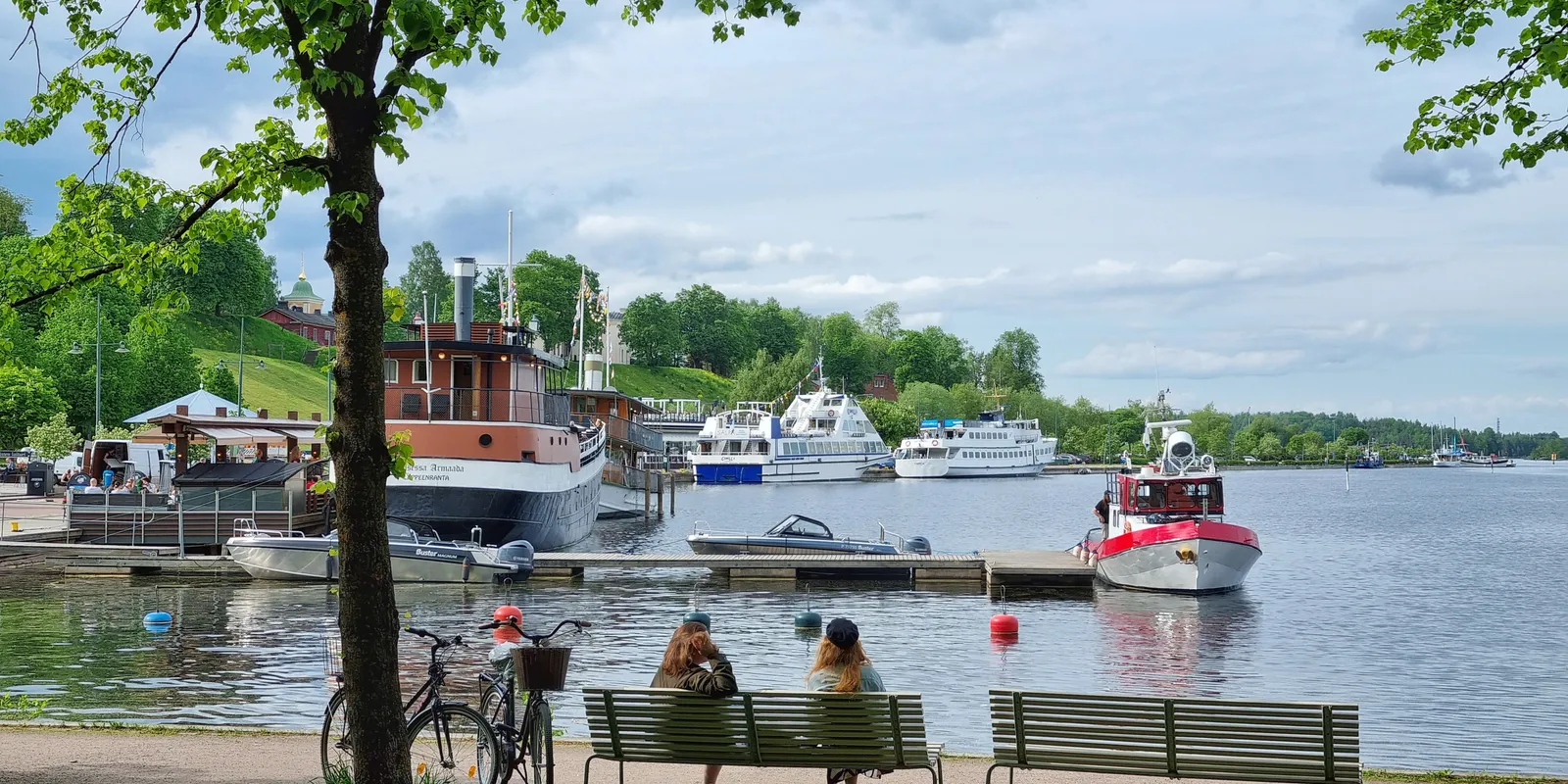
Lappeenranta: the fortress on the Russian border of Lake Saimaa
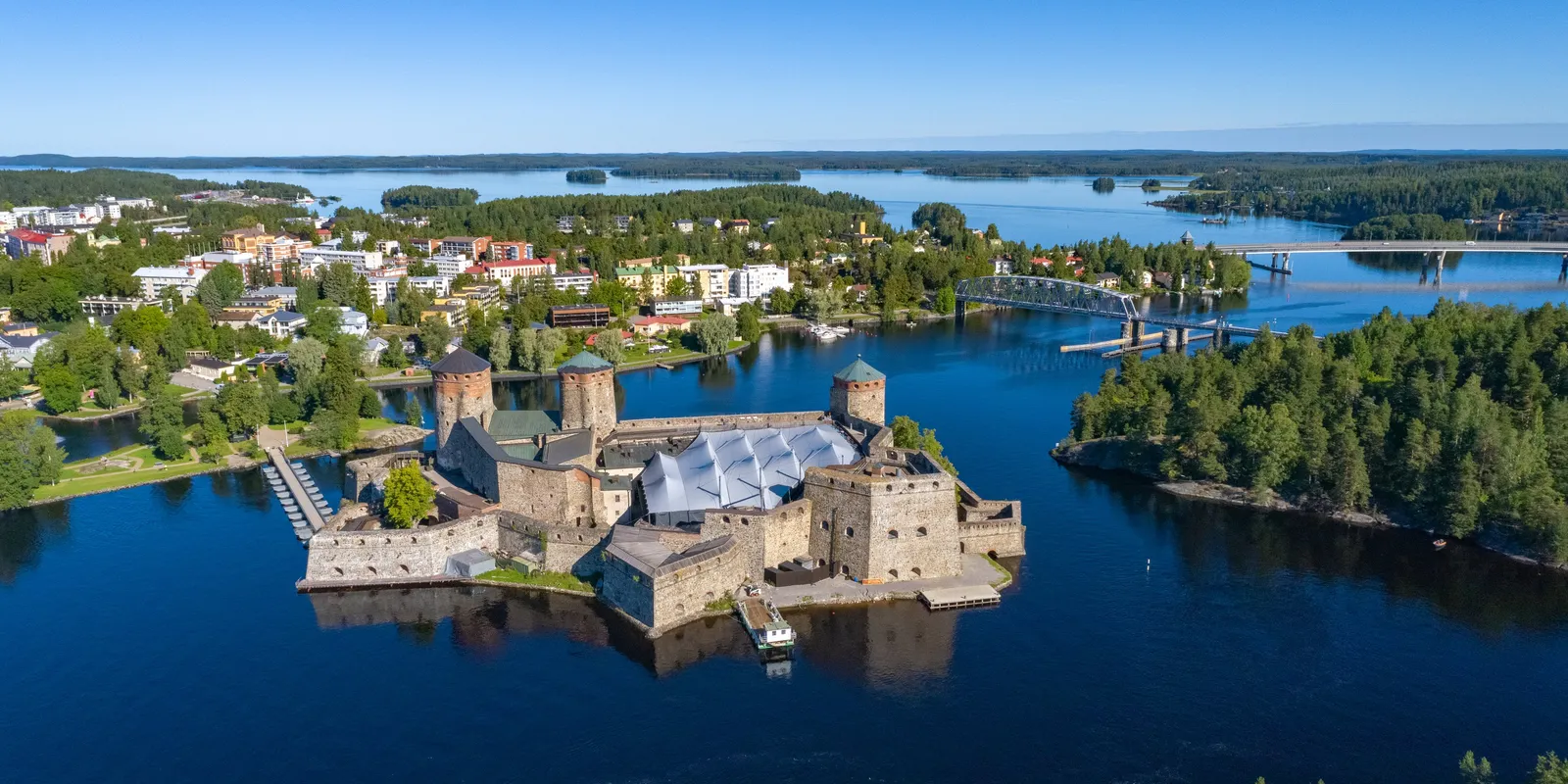
Savonlinna: the castle on the lake of a thousand islets

Coronel FAP Francisco Secada Vignetta International Airport: where to stay, areas and recommended hotels

San Antonio International Airport: where to stay, areas and recommended hotels

Can I bring food in my carry-on?