San Juan: Spanish forts on the Caribbean
Founded in 1521, San Juan preserves in its colonial historic center one of the best-preserved fortified walls of the Caribbean, built by Spain to protect the fleet routes heading toward Europe.
Old San Juan is easily explored on foot along cobblestone streets of blue stone.
The Castillo San Felipe del Morro, a six-level fortress built starting in 1539 on the most exposed point of the peninsula, resisted English and Dutch attacks before becoming, centuries later, a UNESCO World Heritage site.
The Castillo San Cristóbal, the largest Spanish fort ever built in the Americas, covers nearly eleven hectares with a system of underground galleries designed to resist even after the outer walls fell.
The Fortaleza, the governor's residence since the sixteenth century, is the oldest continuously-used executive seat in the entire American continent.
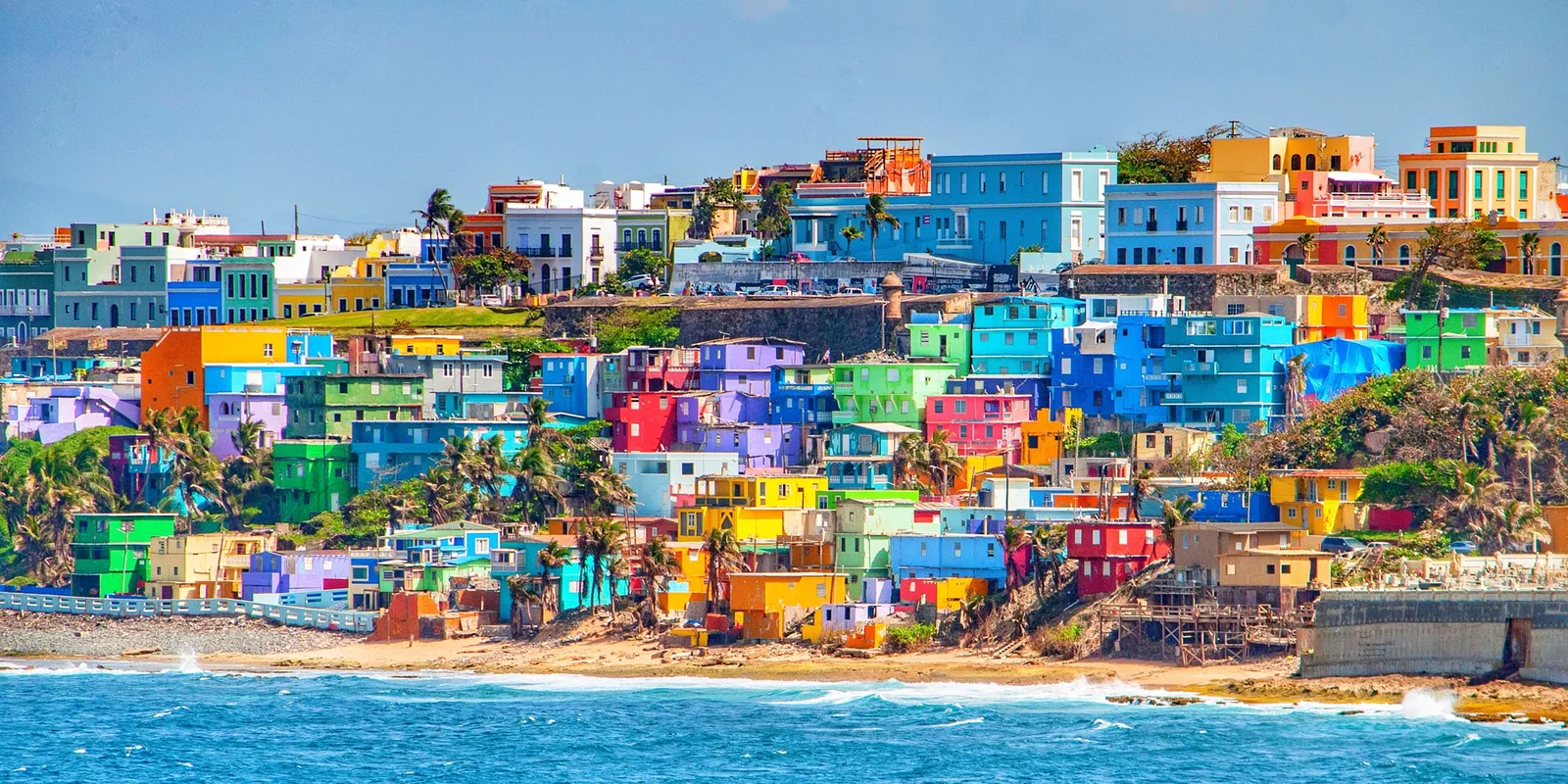
The colonial houses of Calle Fortaleza and adjacent streets, painted in the pastel tones typical of the old city, today host art galleries and small cafes behind Spanish wrought-iron balconies.
El Morro and San Cristóbal were built to repel enemy fleets, not tourists: the same underground galleries designed for war are today visited in silence, without any siege having tested them again.
The pastel facades of Calle Fortaleza, lighter in tone, instead tell the story of San Juan that continued to live within those same walls long after the end of colonial wars.
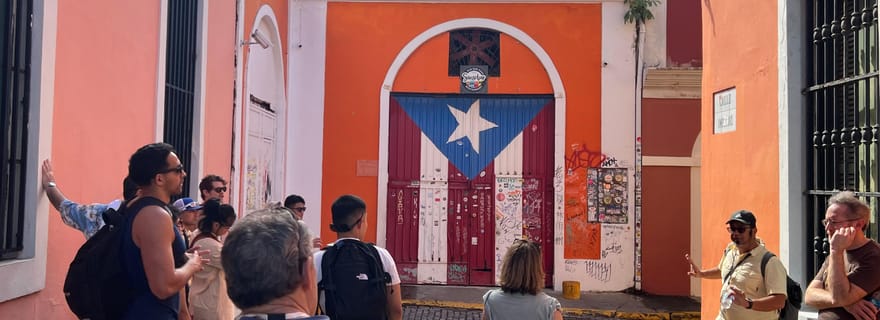
Guided tours and experiences in San Juan
Related articles

You might also like...
Charlotte Amalie: the Danish Caribbean port that became American
Road Town: the Caribbean's sailing capital

Lynden Pindling International Airport: where to stay, areas and recommended hotels

Charlotte Douglas International Airport: where to stay, areas and recommended hotels

Ukraine International Airlines: Why the Airline Has Not Flown Since 2022