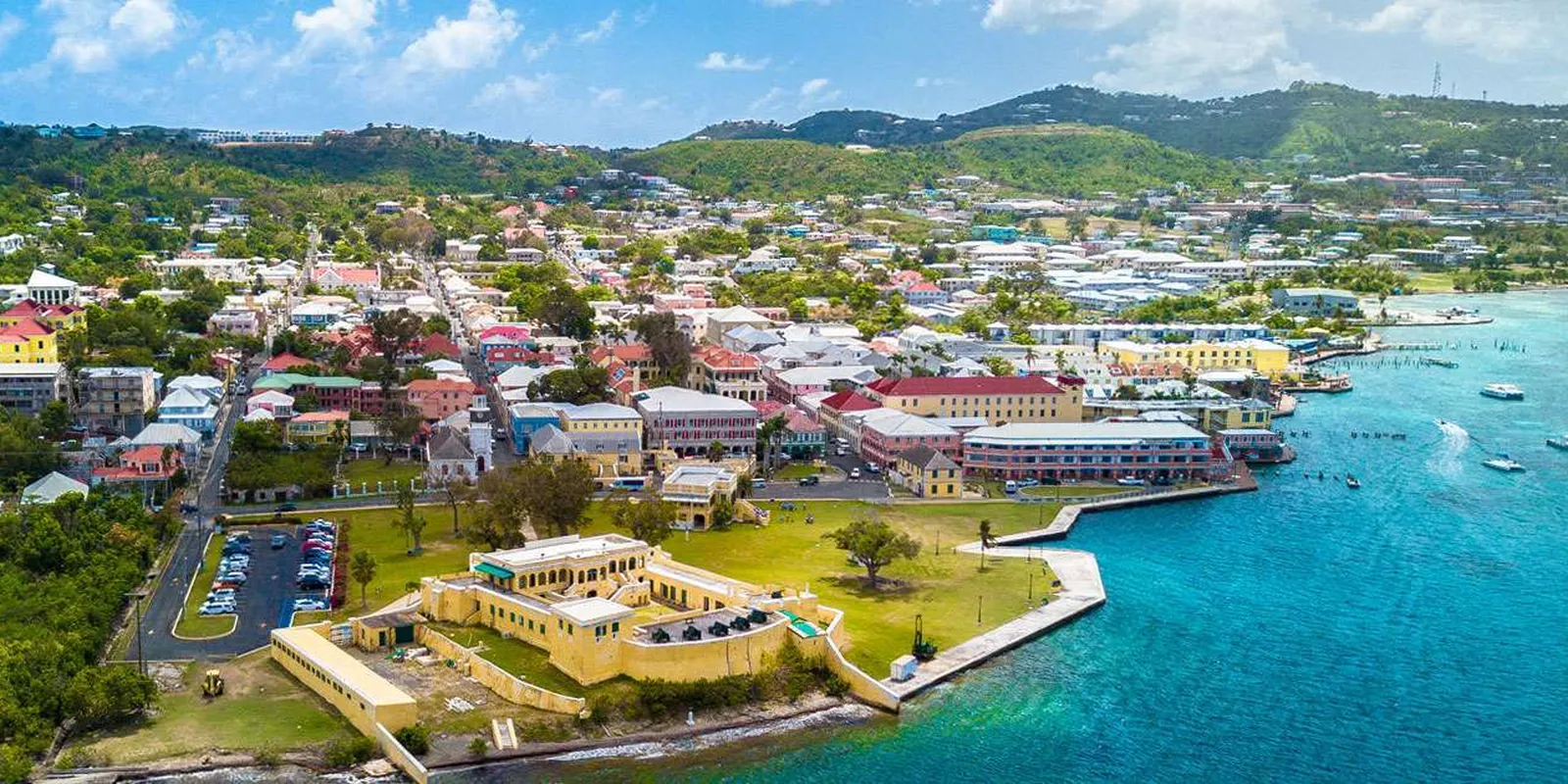

Christiansted: the Danish legacy in the American Caribbean
Former capital of the Danish West Indies, Christiansted preserves a Danish fort and colonial warehouses now part of a U.S. National Historical Park.
The center, preserving Danish colonial heritage, is comfortably explored on foot.
The Fort Christiansvaern, a Danish fortress from the eighteenth century perfectly preserved, remains among the best-preserved military colonial structures in the Caribbean.
Just nearby, the yellow colonial warehouses along the port, once used for sugar trade and, sadly, the slave trade, today host shops and offices.
Continuing, you visit the Government House, a Danish colonial building where governors administered the island before its sale to the United States in 1917.
As evening falls, the protected coral reef just outside the port offers snorkeling in calm and transparent waters.
Denmark sold its Caribbean colonies to the United States in 1917 for twenty-five million dollars in gold, primarily due to strategic concerns about Panama Canal security during World War I, a substantial sum for the era.
Christiansted still preserves Danish-style signage and architecture today, a rare Scandinavian colonial legacy among Caribbean territories now under U.S. sovereignty, designated as a U.S. National Historic Site.
Related articles

You might also like...
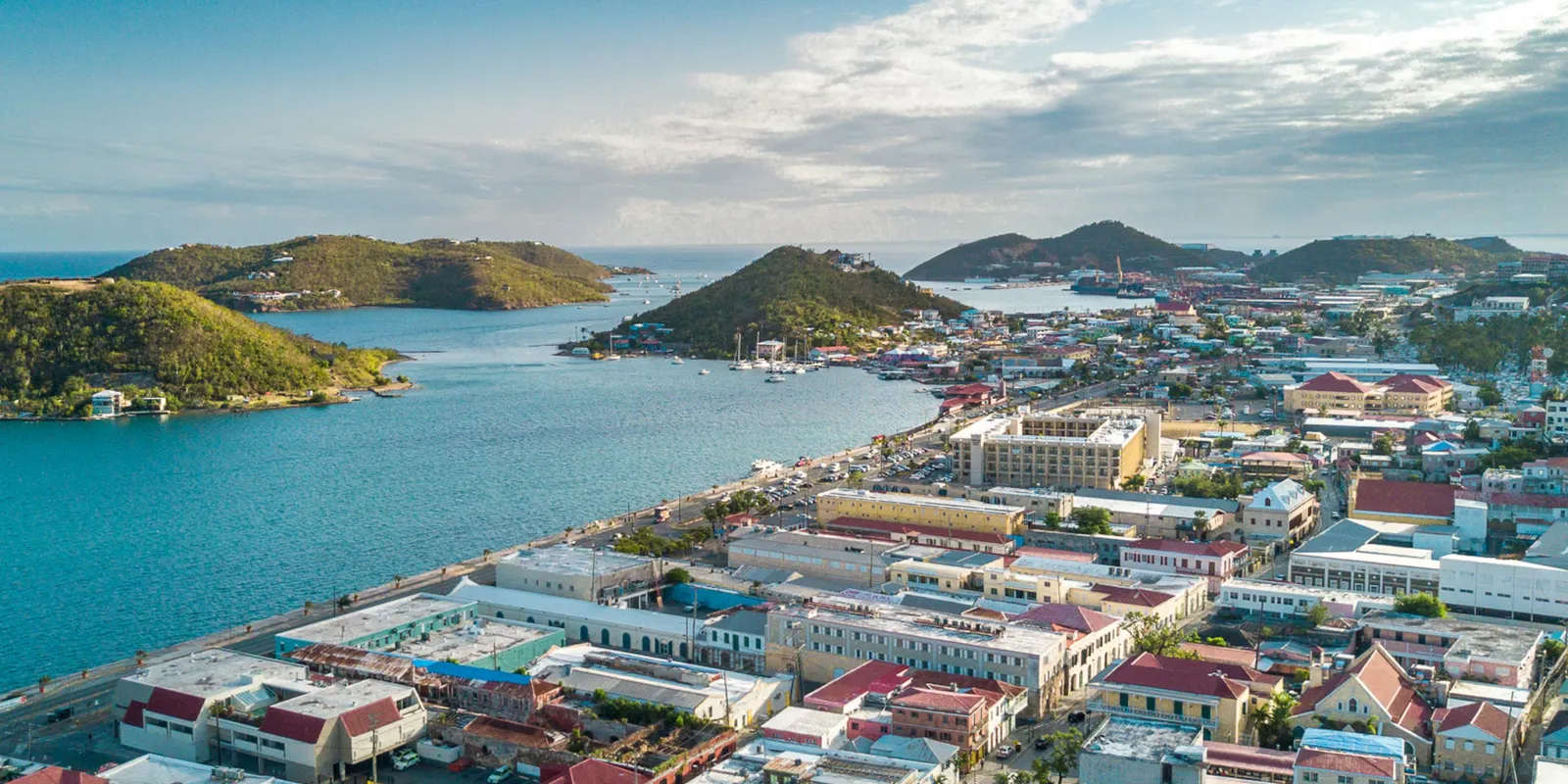
Charlotte Amalie: the Danish Caribbean port that became American
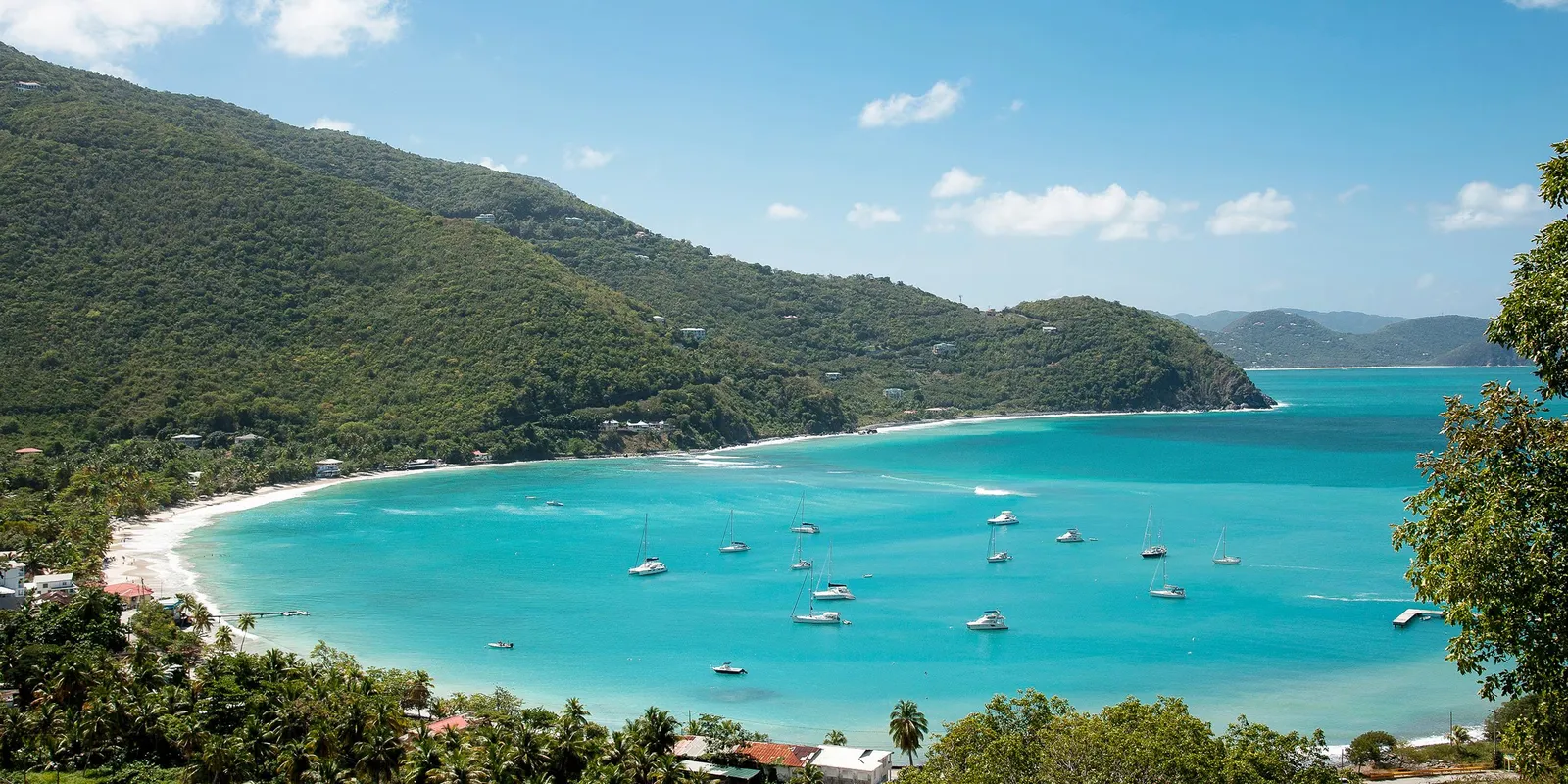
Road Town: the Caribbean's sailing capital

John Glenn Columbus International Airport: where to stay, areas and recommended hotels

Owen Roberts International Airport: where to stay, areas and recommended hotels

Myanmar Airways International: The Private Bridge Between Myanmar and Southeast Asia