São Tomé: cocoa and rainforests in the Gulf of Guinea
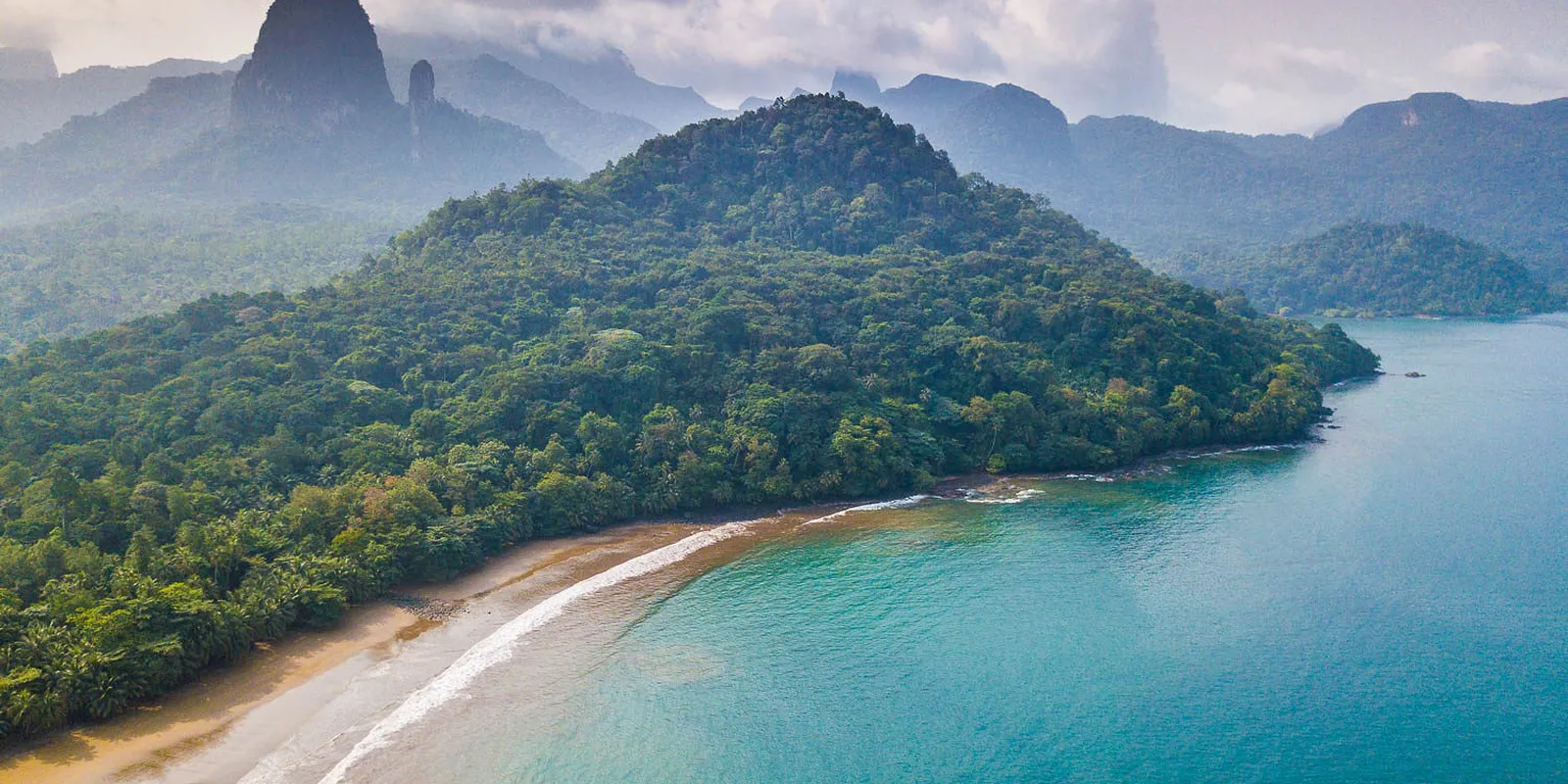
On a volcanic island in the Gulf of Guinea, São Tomé houses colonial cacao plantations and among Africa's most untouched rainforests.
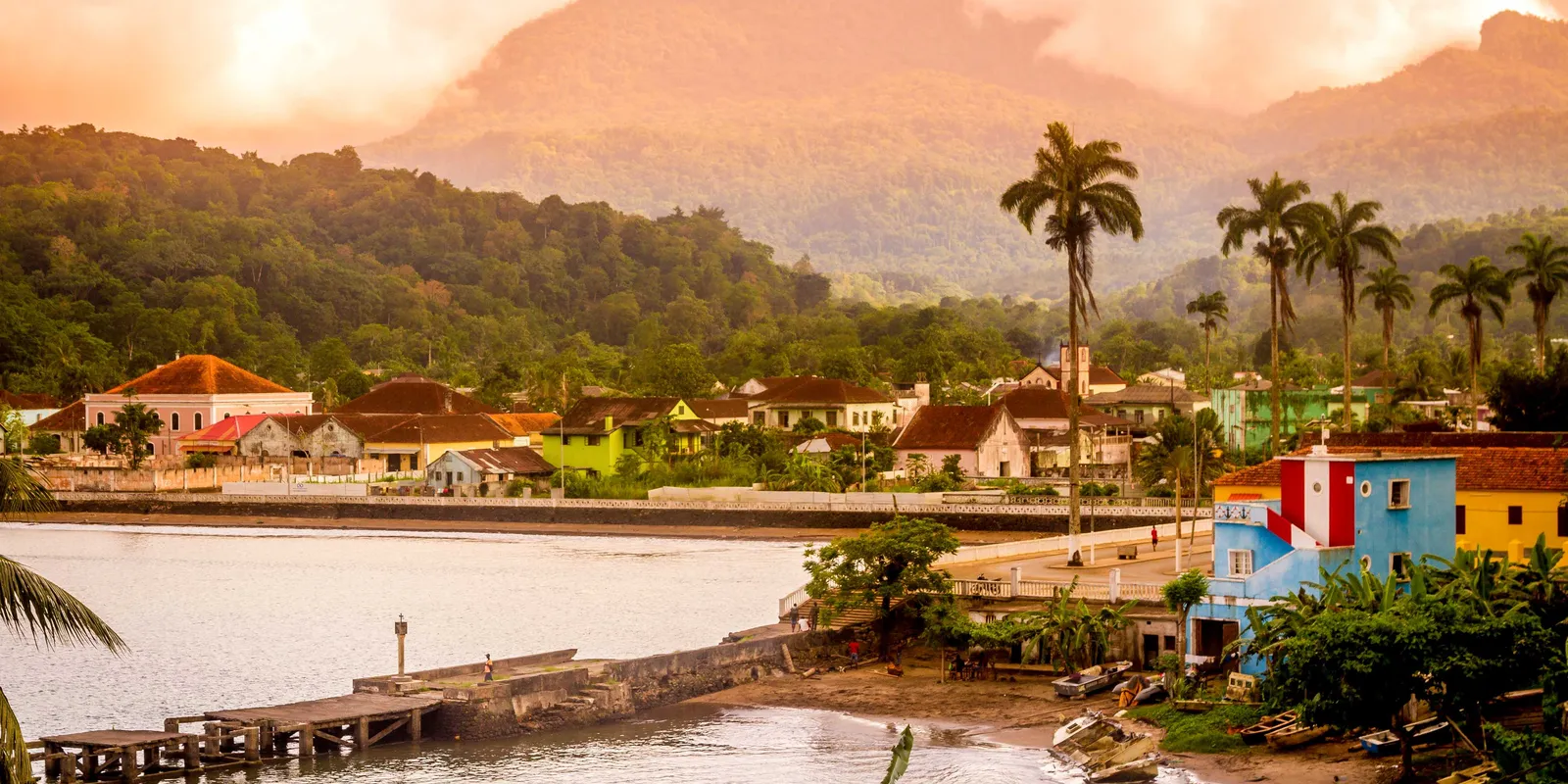
The small center, among cacao and pristine rainforests, is comfortably explored on foot.
The Roça Sundy, a former Portuguese colonial sugar plantation, remains a well-preserved example of agricultural colonial architecture that made the island among the world's largest cocoa producers.
A few minutes away, the Cathedral of São Tomé, among the oldest colonial buildings in sub-Saharan Africa, dominates the historic center of the capital.
Continuing inland, one reaches the Obó Natural Park, which protects primary rainforests with unique endemic species found nowhere else in the world.
Toward evening, Micondó Beach, isolated and unspoiled, offers a sunset far from mass tourism.
São Tomé and Príncipe was the world's leading cocoa producer for a brief period in the late nineteenth century, a position made possible by forced labor in Portuguese colonial plantations.
São Tomé's geographic isolation has allowed the development of an extraordinary number of endemic species, including dozens of birds that exist nowhere else on the planet, studied by international ornithologists.
Related articles

You might also like...
Príncipe: the biosphere reserve tourism forgot
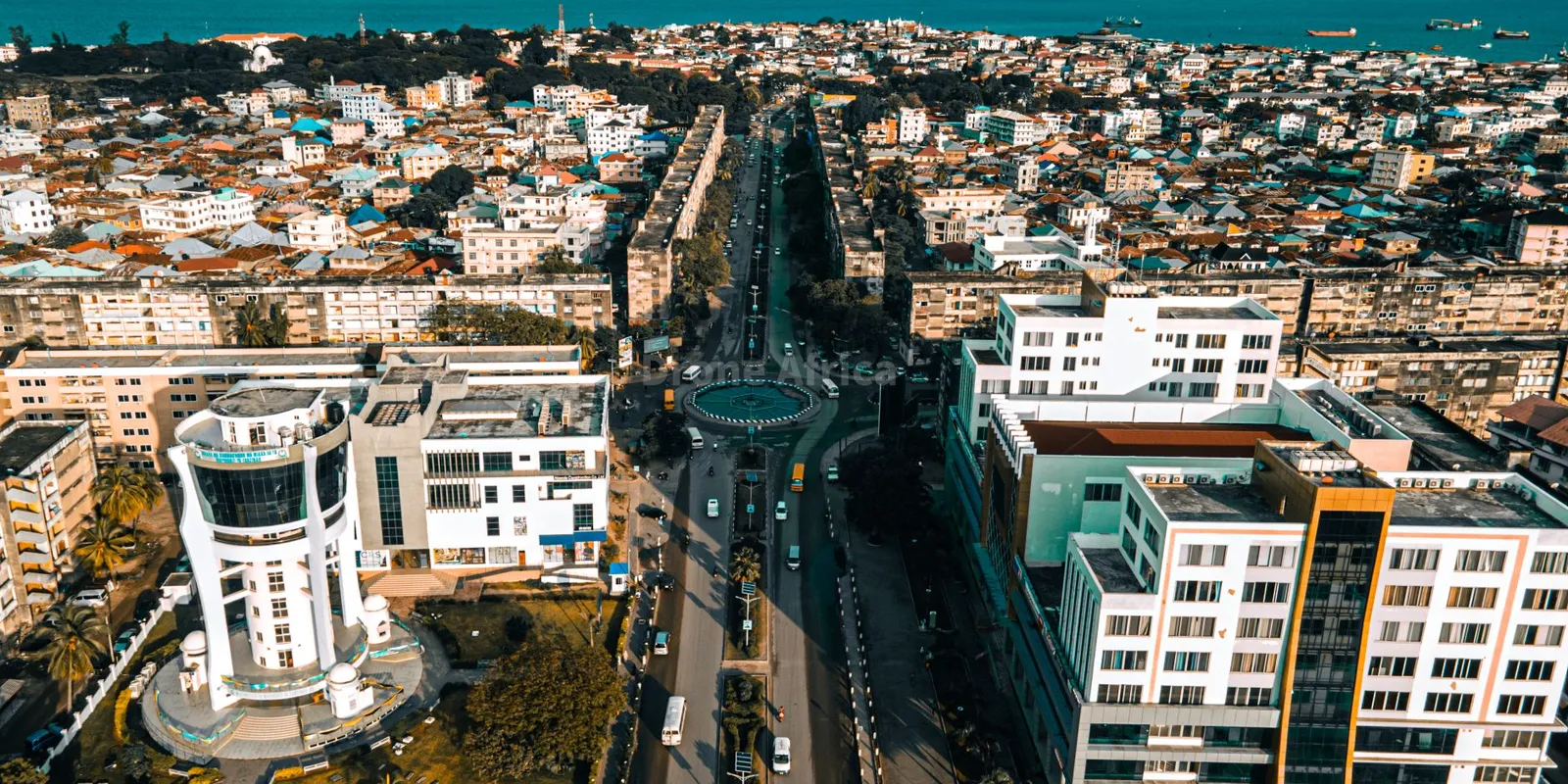
Libreville: where the rainforest meets the ocean

How to recognize your suitcase on the baggage carousel

Short layover: when it's really worth booking a tight connection

How to overcome fear of takeoff: a practical guide
