Príncipe: the biosphere reserve tourism forgot
On the smaller twin island of São Tomé, Príncipe remains a UNESCO biosphere reserve among the world's least visited.
Local taxis remain the most common way to move on the island, a biosphere reserve still forgotten by tourism.
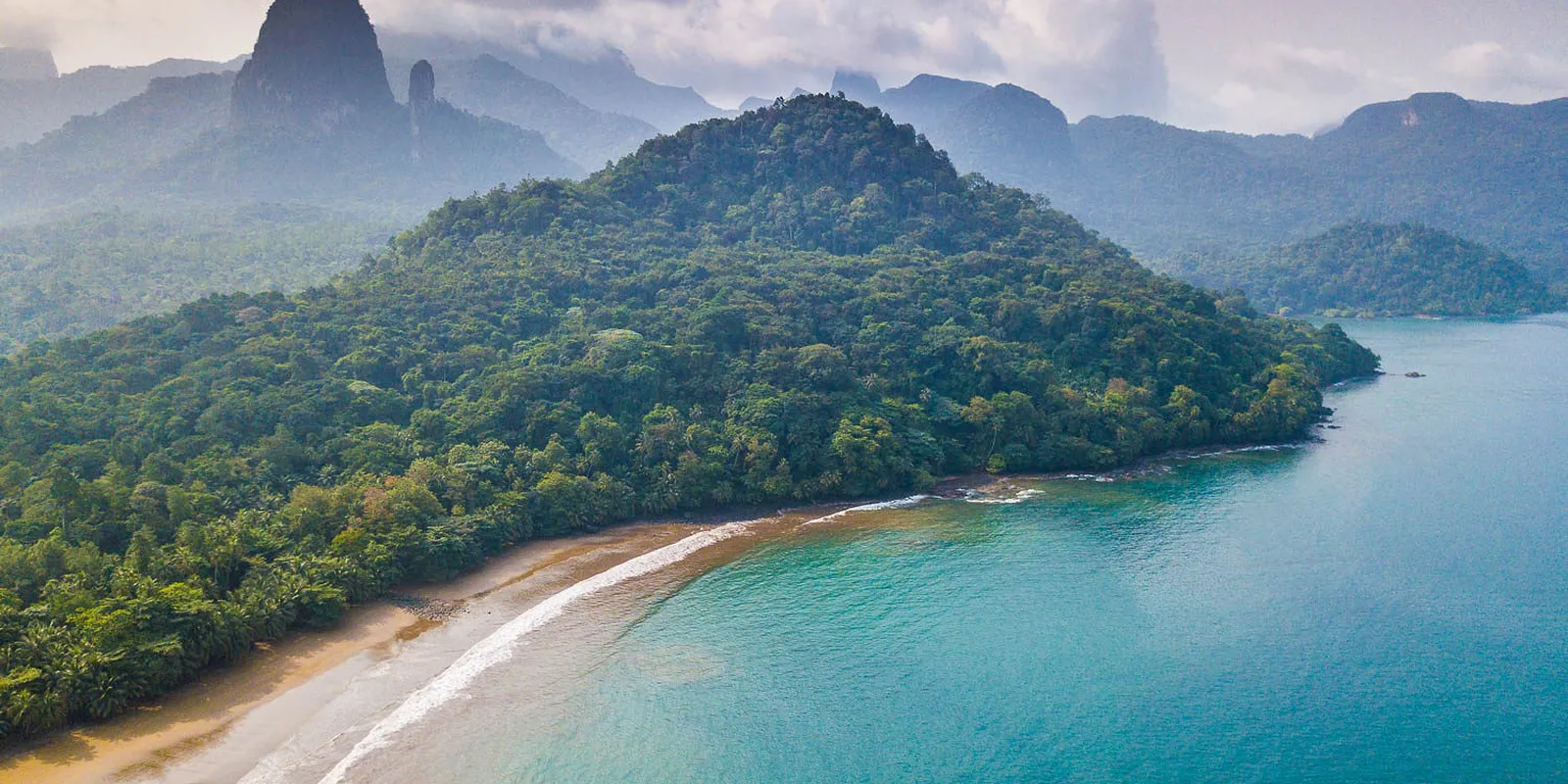
The Baia das Agulhas, with volcanic rock formations plunging into the sea, remains among the most spectacular and least photographed coastal landscapes of West Africa.
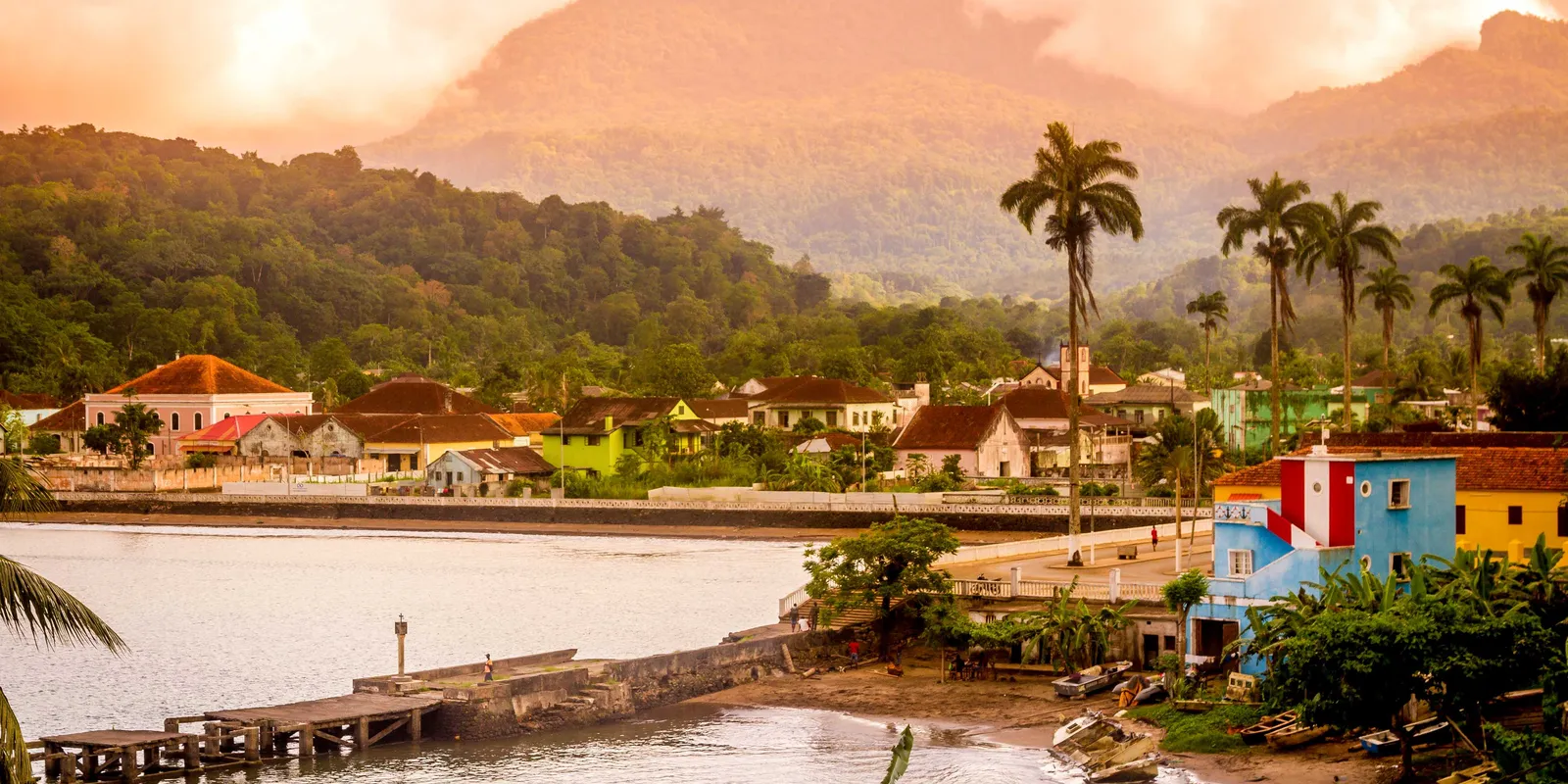
A few minutes away, the Roça Belo Monte, a former colonial plantation converted to an eco-resort, preserves the original Portuguese agricultural architecture.
Continuing inland, one explores the primary rainforest of the island, a UNESCO biosphere reserve that shelters critically endangered endemic bird species.
Toward evening, Príncipe's deserted beaches, among the world's least visited, offer a sunset in total solitude.
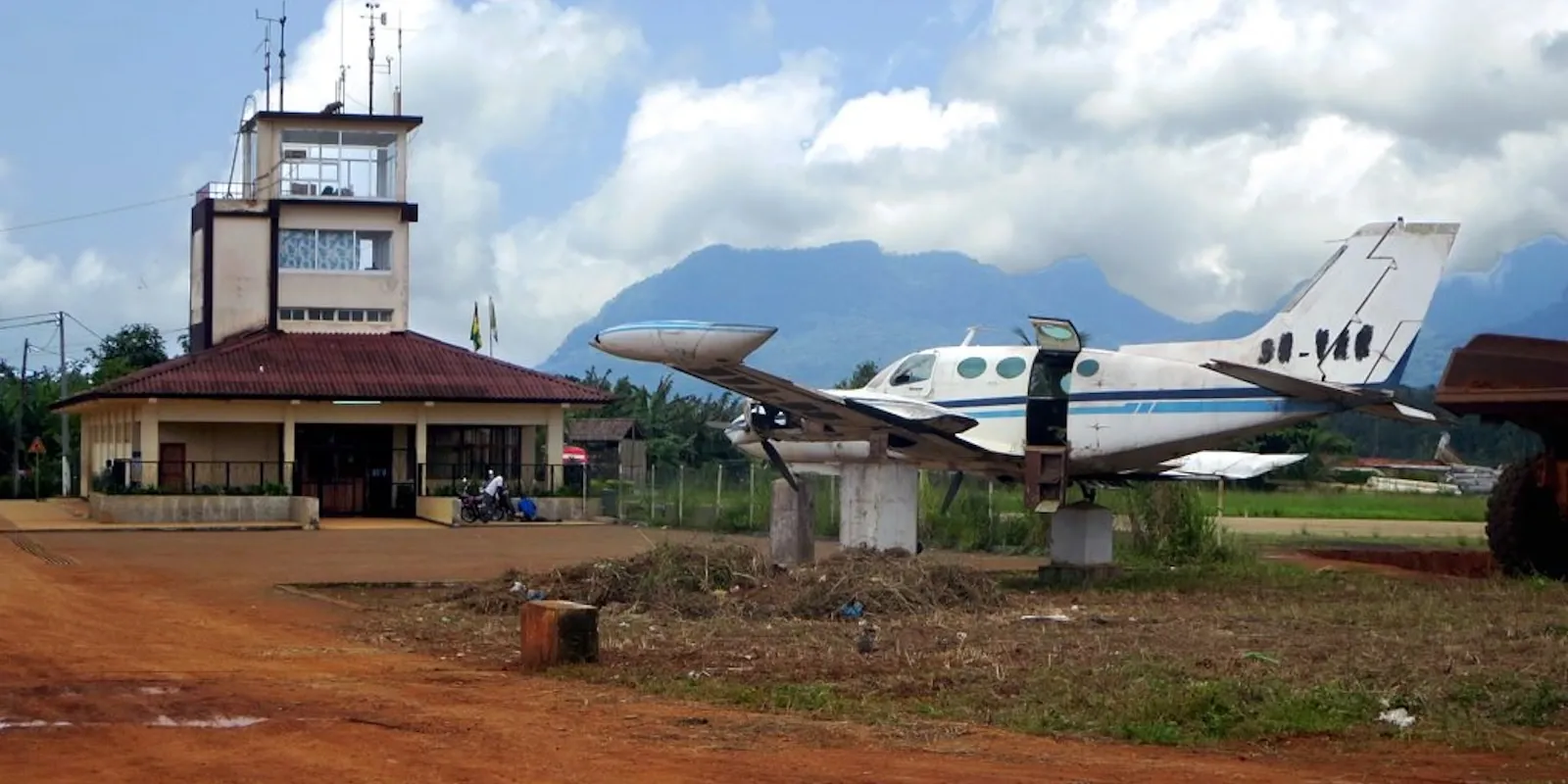
Príncipe was designated a UNESCO biosphere reserve in 2012, a recognition protecting its exceptional biodiversity despite remaining among the planet's least-visited destinations, with only a few thousand tourists annually and flights limited to small aircraft with few seats.
Príncipe's extreme isolation, lacking direct international flights, has paradoxically preserved ecosystems and beaches that elsewhere would have been compromised by mass tourism, keeping its wild nature intact.
Related articles

You might also like...
São Tomé: cocoa and rainforests in the Gulf of Guinea
Libreville: where the rainforest meets the ocean

Chiang Mai International Airport: where to stay, areas and recommended hotels

Sliač Airport: where to stay, areas and recommended hotels
Malabo: the volcanic capital on the Gulf of Guinea