Satu Mare: where three cultures meet at the border
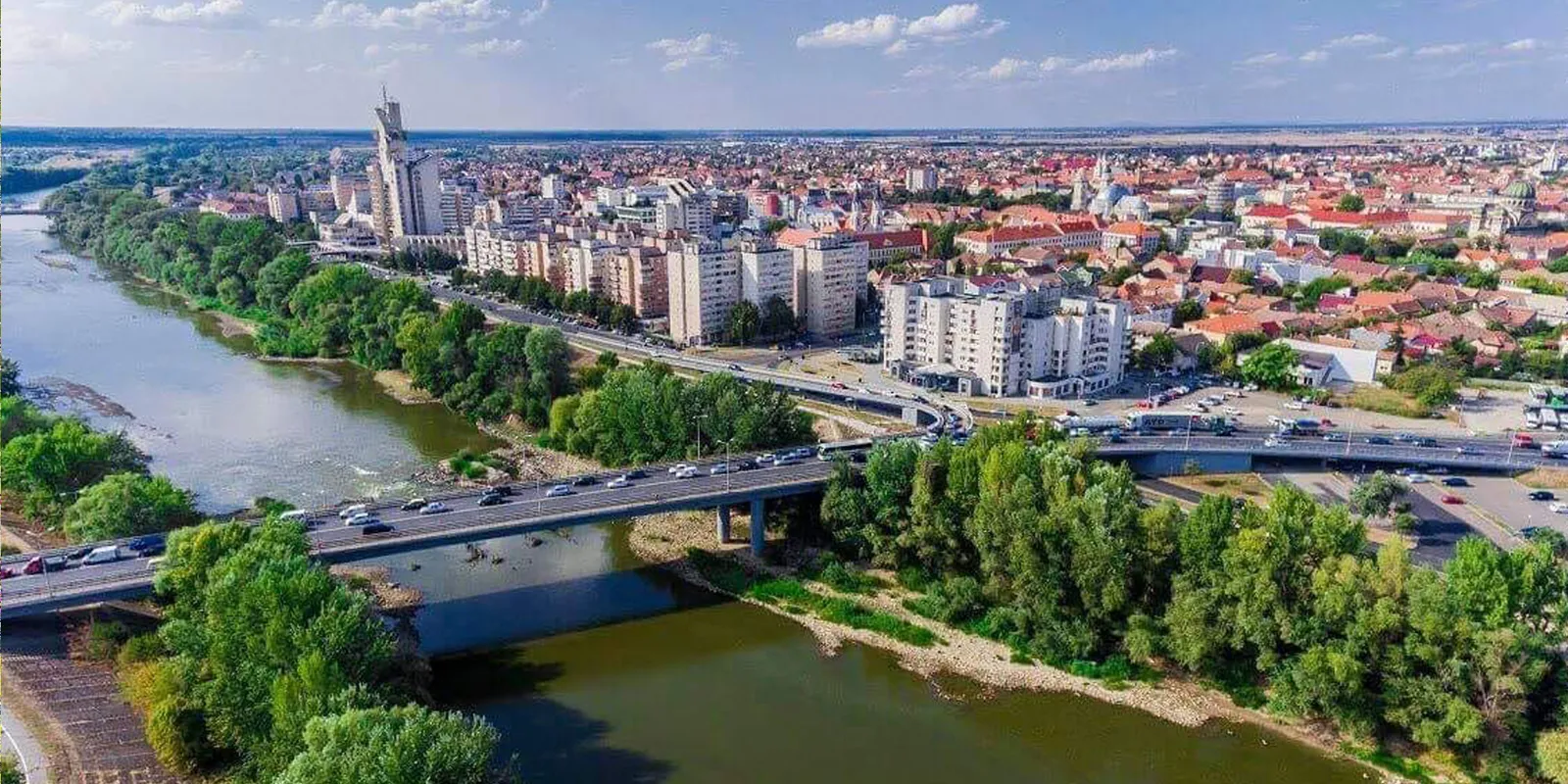
Just kilometers from the borders with Hungary and Ukraine, Satu Mare reflects a shared history among Romanian, Hungarian, and Saxon cultures.
The center, where three cultures meet at the border, is comfortably explored on foot.
The Roman Catholic Cathedral, with its tall neo-Gothic bell tower, dominates the city's skyline as one of the tallest towers in northern Romania.
A few steps away, Liberty Square, surrounded by Art Nouveau and Secessionist buildings, remains the architectural heart of the historic center.
Heading inland, one can reach the wooden village of Săpânța, famous for its Merry Cemetery with tombstones painted in vivid colors.
Toward evening, Satu Mare's restaurants serve dishes that blend Romanian and Hungarian culinary traditions, reflecting the region's multiethnic history.
Satu Mare changed sovereignty multiple times between Romania and Hungary throughout the twentieth century, a legacy still reflected today in the bilingual population and mixed architecture of the city, visible while walking through the center.
The region around Satu Mare historically hosted a flourishing Jewish community before World War II, a cultural heritage today remembered in several commemorative monuments and the restored synagogue in the historic center.
Related articles

You might also like...
Baia Mare: Art Nouveau architecture in mining Transylvania
Debrecen: Hungary's second city

V.C. Bird International Airport: where to stay, areas and recommended hotels
How to find affordable flights

Sri Guru Ram Dass Jee International Airport, Amritsar: where to stay, areas and recommended hotels